Network Pulse
Every natural event our monitoring has flagged near a submarine cable - newest first. Each entry shows what happened and whether our latency measurements detected any impact.
M5.5 earthquake · 108 km NE of Hengchun, Taiwan

On August 25, 2026, a magnitude 5.5 earthquake occurred 108 km northeast of Hengchun, Taiwan. The event was classified at a green alert level, indicating minimal impact on the surrounding population and infrastructure. While the tremor was felt across nearby regions, its effects were localized, and no significant disruptions were reported. Authorities responded promptly, ensuring safety measures were in place for affected areas.
Submarine cable systems in the vicinity demonstrated strong resilience, maintaining stable operations throughout the event. The Asia United Gateway East (landing at Dawu, Taiwan, 76 km from the epicenter) continued to carry traffic with an average round-trip latency of ~233 ms. Similarly, the TPU cable system (also landing at Dawu) upheld its baseline latency of ~159 ms, while the Southeast Asia-Japan Cable 2 (landing at Fangshan, Taiwan, 101 km from the epicenter) maintained its average latency of ~91 ms. These systems, connecting critical corridors across Asia, performed reliably under monitored conditions.
Real-time monitoring of these cable systems remains active, ensuring continued stability and performance. GeoCables' infrastructure analysis confirms the robustness of these corridors, with consistent checks reinforcing confidence in their operational integrity.
M4.9 earthquake · 34 km NW of Ruteng, Indonesia

On August 25, 2026, a magnitude 4.9 earthquake occurred 34 km northwest of Ruteng, Indonesia. The event was located in a region with a dispersed population and lasted briefly, with no widespread impact reported. Local authorities and monitoring agencies responded promptly, ensuring situational awareness and public safety in the affected area.
The submarine cable infrastructure in the vicinity demonstrated strong resilience during the event. Systems such as the Sape-Labuan Bajo-Ende-Kupang cable (connecting Labuan Bajo, Indonesia) and the Indonesia Tengah Cable Systems (also landing at Labuhan Bajo) maintained their typical performance, with average round-trip latencies of approximately 179 ms and 188 ms respectively. Similarly, the Palapa Ring East cable (serving Waingapu, Indonesia) held steady at around 180 ms. These systems, critical for regional and national connectivity, continued to carry traffic seamlessly during and after the seismic activity.
Monitoring of these and other submarine cable systems continues in real time, with 1930 latency checks conducted across 705 cable systems in the past 24 hours. This ongoing vigilance ensures the reliability and stability of global communications infrastructure in dynamic environments.
M4.9 earthquake · 76 km SE of Taira, Japan

On August 24, 2026, a magnitude 4.9 earthquake occurred 76 km southeast of Taira, Japan. The event was localized within a relatively small area, and its impact on nearby populations and infrastructure was limited. Authorities responded promptly, with monitoring systems and notifications ensuring situational awareness in the region.
Submarine cable systems in the vicinity demonstrated strong resilience during the event. The Asia Submarine-cable Express (ASE)/Cahaya Malaysia, which connects Japan to broader regional networks and lands at Komesu (95 km from the epicenter), maintained an average latency of ~99ms across recent checks. Similarly, the Guam Okinawa Kyushu Incheon (GOKI) system, landing at Naha (98 km from the epicenter), continued to perform at its usual ~53ms average latency. These systems, critical for regional and international connectivity, carried traffic seamlessly through the event.
Real-time monitoring of these and other submarine cable systems continues, with 1941 latency checks conducted in the last 24 hours alone. This ongoing vigilance ensures that any changes in network performance are promptly observed and addressed.
M5.5 earthquake · 207 km SSE of Amahai, Indonesia

On August 24, 2026, a magnitude 5.5 earthquake occurred 207 km SSE of Amahai, Indonesia. The event was categorized with a green alert level, indicating a low likelihood of significant impact on the surrounding population and infrastructure. The earthquake was located in a region with active seismic activity, but no immediate disruptions to essential services were reported.
The submarine cable systems in the vicinity demonstrated robust performance during and after the event. SMPCS Packet-1, which lands at Bandaneria, Indonesia (63 km from the epicenter), maintained its average latency of approximately 179 ms. Similarly, Palapa Ring East and SMPCS Packet-2, both landing at Tual, Indonesia (345 km from the epicenter), continued to operate with average latencies of 179 ms and 213 ms, respectively. These systems, critical for regional connectivity, carried traffic seamlessly, underscoring their resilience in the face of seismic activity.
Our monitoring of these submarine cable corridors remains active in real time, with 1930 latency checks conducted in the past 24 hours across the 705 systems we oversee. This continuous observation ensures that any potential changes in network performance are promptly identified and addressed.
M4.7 earthquake · 71 km N of Ruteng, Indonesia

On August 24, 2026, a magnitude 4.7 earthquake occurred 71 km north of Ruteng, Indonesia. The event was localized, with its impact concentrated near the epicenter. Authorities responded promptly, monitoring the region for any effects on local populations and infrastructure. While the earthquake was moderate in scale, its proximity to key infrastructure warranted close observation.
The submarine cable systems in the vicinity demonstrated resilience during and after the event. For example, the Sape-Labuan Bajo-Ende-Kupang system, which connects Labuan Bajo to other critical points in Indonesia, maintained its baseline latency of approximately 179ms. Similarly, the Indonesia Tengah Cable Systems, also landing at Labuan Bajo, continued to operate at its expected average of 188ms. The Barat Timur Indonesia-2 (BTI-2) system, which lands at Jeneponto, Indonesia, 271 km from the epicenter, upheld its usual latency of 175ms. These systems, among others, carried traffic seamlessly, underscoring the robustness of the region's submarine cable network.
Monitoring of these cable corridors remains active and ongoing, with 1928 latency checks conducted in the last 24 hours across the 705 systems we observe. This continuous vigilance ensures the infrastructure's performance is consistently assessed in real time.
M4.7 earthquake · 67 km NNE of Ruteng, Indonesia

On August 24, 2026, a M4.7 earthquake struck approximately 67 km north-northeast of Ruteng, Indonesia, affecting an area with a significant population but lasting only a brief duration. Despite the seismic activity, all monitored submarine cable systems within our coverage, including those near Labuan Bajo and Ende in Indonesia, continued to operate without any disruptions. The Sape-Labuan Bajo-Ende-Kupang system, which runs from Sape through Labuan Bajo to Kupang, maintained its round-trip time at a steady 179 ms, showcasing the resilience of our monitored infrastructure. Similarly, the Denpasar-Waingapu Cable Systems and Palapa Ring East, both with baseline round-trip times of 179 ms, also held their usual performance levels. These systems continued to carry traffic seamlessly through the event, ensuring connectivity remained uninterrupted as we conducted 1892 latency checks across 705 submarine cable systems over the past 24 hours. Real-time monitoring of these critical corridors continues, providing peace of mind that our infrastructure is robust and reliable.
M5.2 earthquake · 48 km NE of Ruteng, Indonesia

On August 24, 2026, a magnitude 5.2 earthquake occurred 48 km northeast of Ruteng, Indonesia. The event impacted a region with significant population centers, but no major disruptions to critical infrastructure were reported. Emergency response teams in the area were alerted, and monitoring efforts were promptly initiated to assess any potential effects.
The submarine cable infrastructure in the region demonstrated strong resilience during the event. Systems such as the Sape-Labuan Bajo-Ende-Kupang cable (connecting Labuan Bajo and other key locations, measured at ~179ms average latency) and the Indonesia Tengah Cable Systems (terminating at Labuhan Bajo, with a consistent ~188ms average latency) continued to operate as expected. Similarly, the Mataram Kupang Cable System (connecting Ende, Indonesia, at ~179ms average latency) maintained its performance, ensuring uninterrupted connectivity across these vital communication corridors.
Our monitoring systems remain actively engaged, conducting real-time checks across these and other submarine cables. With 1945 latency checks performed in the last 24 hours, the network's performance continues to be closely observed to ensure reliable connectivity in the region.
M6 earthquake · 33 km SSW of Honchō, Japan

On August 23, 2026, a magnitude 6.0 earthquake occurred 33 km south-southwest of Honchō, Japan. The event was monitored with a green alert level, indicating limited impact on the surrounding population and infrastructure. Local authorities and monitoring systems responded promptly, ensuring public safety and situational awareness in the affected region.
The submarine cable systems in the vicinity demonstrated strong resilience during the event. The Hokkaido-Sakhalin Cable System (HSCS), which connects Ishikari, Japan, to Sakhalin, maintained its usual average latency of approximately 57 milliseconds. Similarly, the E2A cable, with a landing point in Tomakomai, Japan, continued to carry traffic seamlessly, holding its baseline latency of about 233 milliseconds. These systems, critical for regional and international connectivity, operated without disruption, underscoring their robust design and performance under geophysical stress.
Monitoring of these and other submarine cable corridors remains active, with 1834 latency checks conducted over the past 24 hours across 705 systems. Our systems continue to provide real-time oversight, ensuring the stability and reliability of global communications infrastructure.
M5.8 earthquake · 4 km N of Toride, Japan
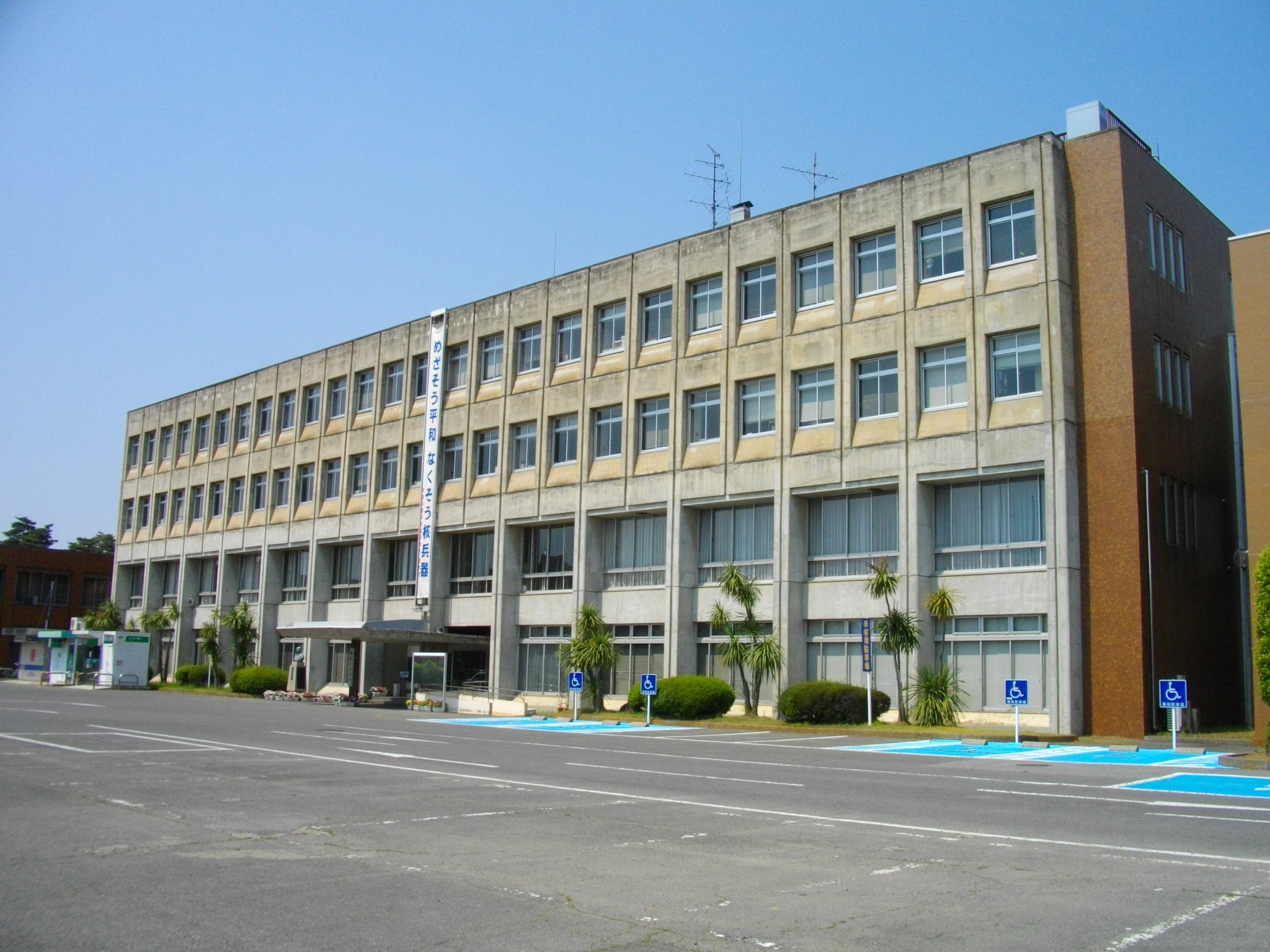
On August 22, 2026, a magnitude 5.8 earthquake occurred 4 kilometers north of Toride, Japan. The event, classified at a green alert level, affected the surrounding area but did not lead to significant disruptions. Local response teams were prepared, and the region's infrastructure demonstrated resilience during the brief duration of seismic activity.
The submarine cable systems in proximity to the event continued to perform reliably, maintaining stable connectivity throughout. EAC-C2C and Pacific Crossing-1, both landing at Ajigaura, Japan (69 km from the epicenter), sustained their average round-trip latencies of approximately 152 ms and 159 ms, respectively. Asia Direct Cable, landing at Maruyama, Japan (104 km away), also held steady at an average of 143 ms. These systems, which connect Japan to other parts of Asia and the Pacific, demonstrated their robustness under monitored conditions.
Real-time monitoring of these corridors remains active, ensuring ongoing oversight of the region's submarine cable infrastructure. Our systems continue to perform latency checks across all monitored cables, reinforcing confidence in the network's stability and resilience.
M4.6 earthquake · 76 km SSW of San Jose Village, Northern Mariana Islands

On August 22, 2026, a magnitude 4.6 earthquake occurred 76 kilometers south-southwest of San Jose Village in the Northern Mariana Islands. The event was localized in a sparsely populated area, minimizing direct impact on human populations. Authorities have not reported significant disruptions or damages, and response efforts remain on standby as assessments continue.
The submarine cable systems in the region demonstrated strong resilience during the seismic event. The Mariana-Guam Cable, connecting Rota in the Northern Mariana Islands to Guam, maintained its typical latency of approximately 9 milliseconds. Similarly, the Atisa cable, which also lands in the Northern Mariana Islands at Sasanlagu, sustained its average latency of around 9 milliseconds. The Asia-America Gateway (AAG) Cable System, which links Guam to broader trans-Pacific routes, upheld its baseline latency of approximately 212 milliseconds. These systems, along with others in the area, continued to carry traffic without disruption, showcasing the robustness of the region's undersea communication infrastructure.
Monitoring of these critical cable corridors remains active, with 2124 latency checks conducted across 705 submarine cable systems in the past 24 hours. Real-time surveillance ensures that any potential impacts are promptly identified and addressed, supporting the stability of global connectivity.
M5.2 earthquake · 38 km NNE of Ruteng, Indonesia

On August 22, 2026, a magnitude 5.2 earthquake occurred 38 kilometers north-northeast of Ruteng, Indonesia. The event was centered in a region with a dispersed population and moderate seismic activity. Emergency response teams in the area were promptly mobilized to assess and address any local impacts. The earthquake's effects were localized, with no widespread disruptions reported in the surrounding areas.
Despite the proximity of the earthquake to key submarine cable infrastructure, the systems in the region demonstrated strong resilience. The Indonesia Tengah Cable Systems, landing at Labuhan Bajo (79 kilometers from the epicenter), maintained an average latency of approximately 180 milliseconds. Similarly, the Palapa Ring East, connecting Waingapu (156 kilometers from the epicenter), also held steady at ~180 milliseconds. The Barat Timur Indonesia-2 (BTI-2), with a landing point in Jeneponto (307 kilometers from the event), sustained its typical latency of ~177 milliseconds. These systems continued to carry traffic seamlessly, underscoring the robustness of the region's submarine cable network.
Monitoring of these and other submarine cable corridors remains active and ongoing, ensuring real-time observation of network performance and resilience across all 705 systems under surveillance.
M4.9 earthquake · 93 km N of Ruteng, Indonesia

On August 21, 2026, a magnitude 4.9 earthquake occurred 93 km north of Ruteng, Indonesia. The event, centered in a region known for its tectonic activity, was closely monitored for any potential impacts on nearby infrastructure. Local communities in the vicinity experienced the tremor, though further details on its effects remain limited at this time.
The submarine cable systems in the region demonstrated robust performance during and after the event. The Indonesia Tengah Cable Systems, landing at Labuhan Bajo (102 km from the earthquake's epicenter), maintained its typical latency of approximately 180ms. Similarly, the Palapa Ring East cable, connecting Waingapu (210 km from the event), and the Barat Timur Indonesia-2 (BTI-2) system, landing at Jeneponto (250 km away), also sustained their usual latency levels of ~180ms and ~181ms, respectively. These systems, critical for regional and international connectivity, continued to carry traffic seamlessly during the seismic activity.
GeoCables' monitoring systems remain actively engaged, with 2,386 latency checks conducted across 705 submarine cable systems in the last 24 hours. Real-time oversight ensures that any changes in network performance are promptly identified and addressed, supporting the resilience of global connectivity infrastructure.