Network Pulse
Every natural event our monitoring has flagged near a submarine cable - newest first. Each entry shows what happened and whether our latency measurements detected any impact.
M5.3 earthquake · 0 km NNE of Yōkaichiba, Japan

On October 1, 2026, a magnitude 5.3 earthquake occurred near Yōkaichiba, Japan. The event's epicenter was located 0 km NNE of Yōkaichiba, with the surrounding region experiencing mild seismic activity. Local authorities responded promptly, and the affected population was informed through established communication channels. The duration and intensity of the earthquake were within manageable thresholds, minimizing disruptions in the area.
The submarine cable infrastructure in the region demonstrated notable resilience during this event. Key systems such as the EAC-C2C, Pacific Crossing-1 (PC-1), and Tata TGN-Pacific, which land at Ajigaura and Emi, Japan, continued to operate within their typical performance ranges. For instance, EAC-C2C maintained an average latency of ~88ms, while PC-1 and Tata TGN-Pacific held steady at ~206ms and ~157ms, respectively. These cables, which connect Japan to other parts of Asia and North America, successfully supported uninterrupted data transmission during the seismic activity.
Our monitoring systems remain actively engaged, continuously observing these and other critical submarine cable corridors in real time. This ensures that any changes in network performance are promptly identified and addressed, supporting the reliability of global communications infrastructure.
M4.6 earthquake · 45 km ENE of Luwuk, Indonesia
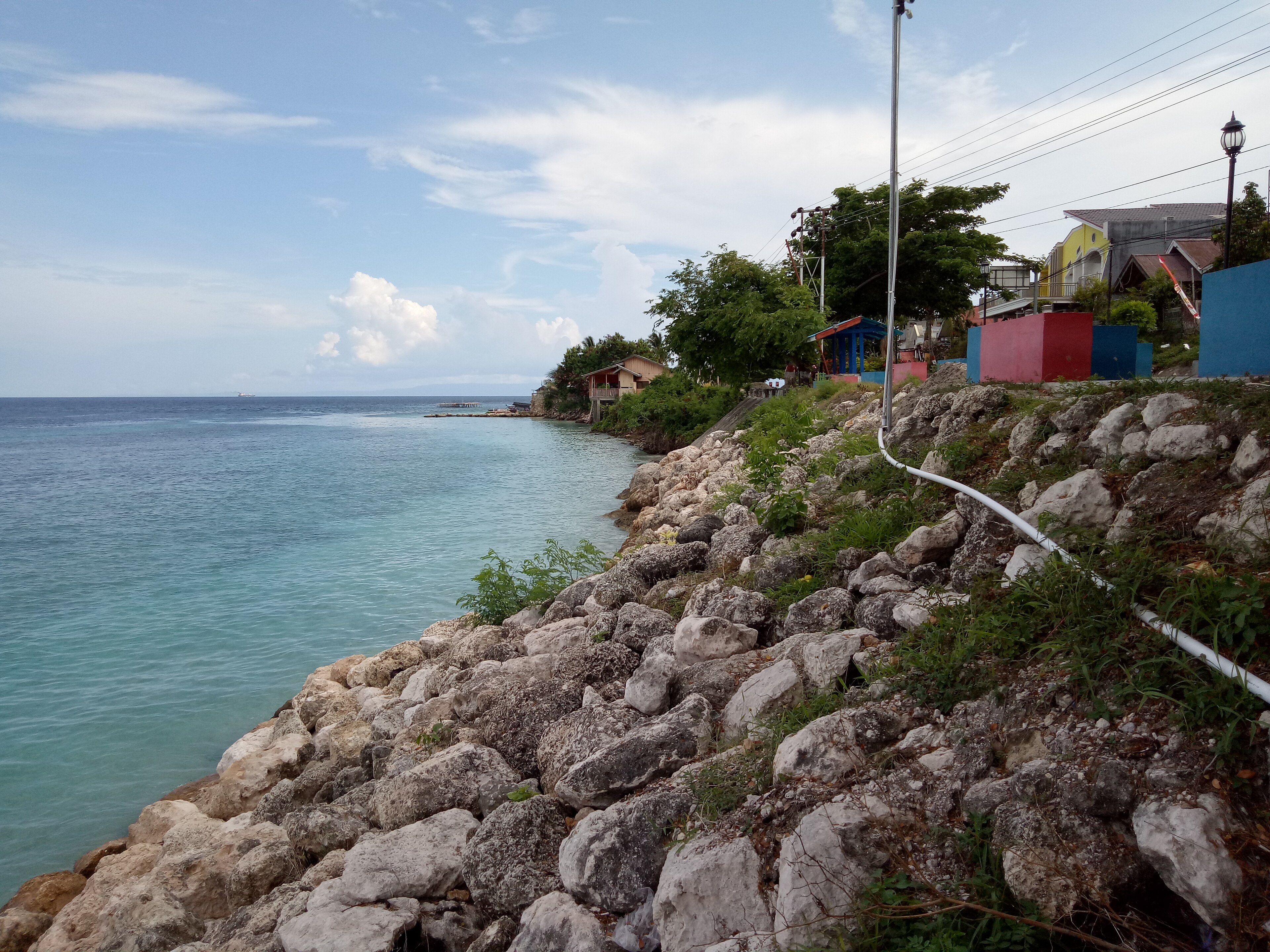
On October 1, 2026, a magnitude 4.6 earthquake occurred 45 km east-northeast of Luwuk, Indonesia. The event was localized, affecting a limited area near the epicenter, approximately 45 km from the coastal town of Luwuk. While the earthquake was moderate in magnitude, its proximity to populated areas underscores the importance of robust infrastructure in regions prone to seismic activity.
Despite the earthquake's occurrence near key submarine cable landing points, the region's submarine cable systems demonstrated resilience. The Barat Timur Indonesia-2 (BTI-2) system, which connects Luwuk to other parts of Indonesia, maintained its typical latency of approximately 329 ms over the past week. Similarly, the Indonesia Global Gateway (IGG) System, landing in Manado, 320 km from the event, held steady at an average latency of 228 ms. These systems, along with others such as the Asia Connect Cable-1 (ACC-1), continued to carry traffic seamlessly, highlighting the robustness of the infrastructure in the area.
Our monitoring remains active, with 1,955 latency checks conducted across 720 submarine cable systems in the past 24 hours. This ongoing vigilance ensures that any future events impacting these vital communication corridors are promptly identified and assessed.
M4.6 earthquake · 131 km SE of Itoman, Japan
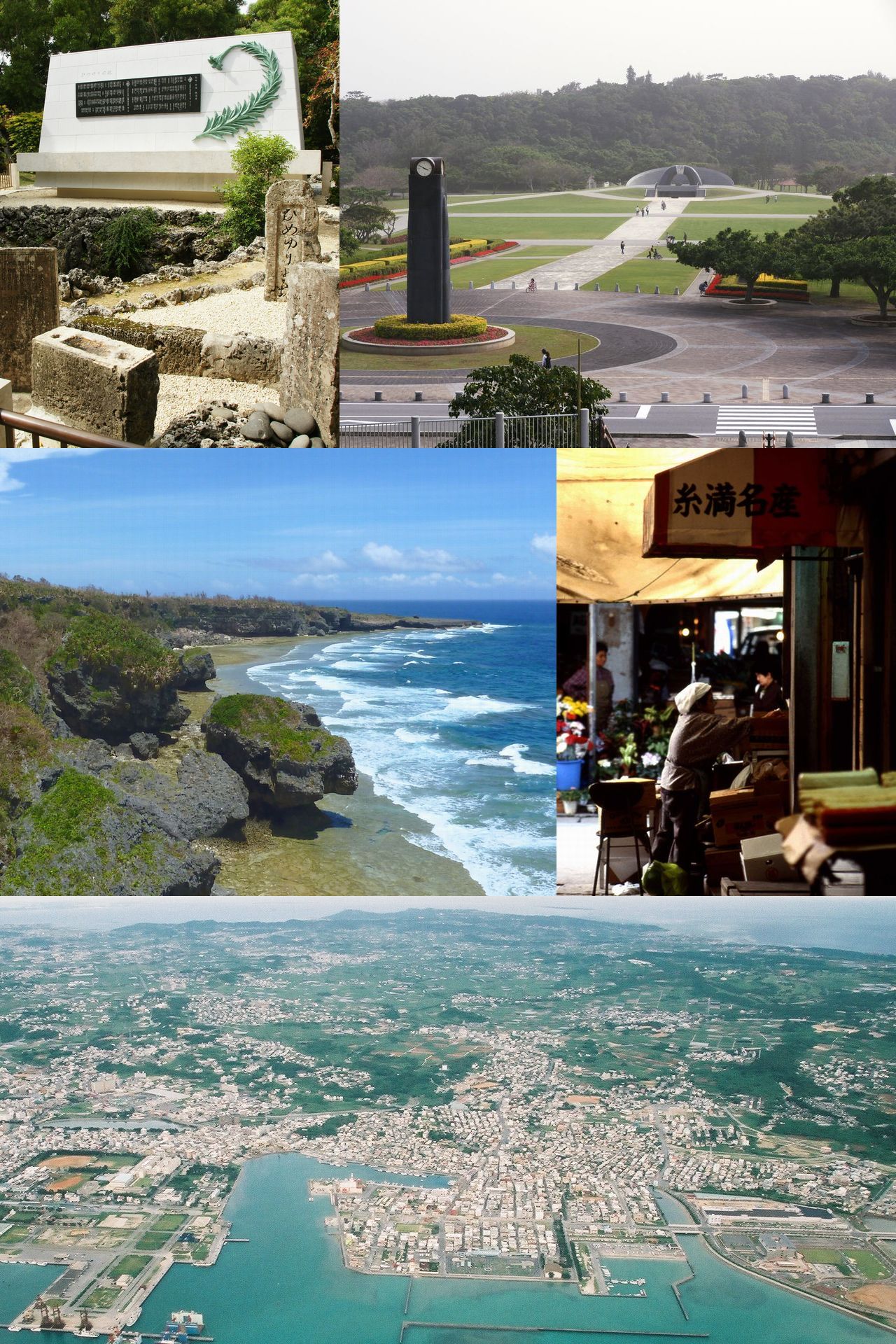
On October 1, 2026, an M4.6 earthquake occurred 131 km southeast of Itoman, Japan. While moderate in magnitude, the event's proximity to populated areas and critical infrastructure underscored the importance of robust systems in the region. Authorities responded promptly, and no significant disruptions to essential services have been reported.
The submarine cable infrastructure in the vicinity demonstrated strong resilience during the event. The Asia Submarine-cable Express (ASE)/Cahaya Malaysia, landing at Komesu, Japan (126 km from the epicenter), maintained an average round-trip latency of ~103 ms across recent checks. Similarly, the Guam Okinawa Kyushu Incheon (GOKI) cable, landing at Naha, Japan (138 km from the epicenter), upheld a consistent ~57 ms average latency. These systems, which connect key locations across Asia and the Pacific, continued to carry traffic seamlessly, ensuring uninterrupted connectivity.
Real-time monitoring of these and other submarine cable systems remains active, with 1941 latency checks conducted in the past 24 hours across 713 monitored systems. This ongoing vigilance ensures that any future events are promptly assessed and that the network's performance is continuously observed.
M5.6 earthquake · 74 km S of Yonakuni, Japan

On September 30, 2026, a magnitude 5.6 earthquake occurred 74 km south of Yonakuni, Japan. The event was located offshore and registered a green alert level, indicating minimal impact on surrounding populations and infrastructure. Authorities reported the earthquake through their real-time notification systems, with no significant disruptions requiring emergency response.
Key submarine cable systems in the region demonstrated strong resilience during the seismic event. The Apricot cable, connecting Toucheng, Taiwan to other parts of Asia, maintained an average latency of approximately 136ms. Similarly, the Asia Pacific Gateway (APG), also landing at Toucheng, upheld its typical latency of around 146ms. The Asia United Gateway East (AUG East), with a landing point in Wujie, Taiwan, continued to perform at an average of 316ms. These systems, along with others in the vicinity, successfully carried traffic without interruption, showcasing the robustness of the region's submarine cable infrastructure.
Our monitoring remains active across these and other submarine cable corridors, with 1922 latency checks conducted in the past 24 hours to ensure ongoing stability. This continuous oversight supports the reliable operation of global connectivity, even in the face of natural events.
M4.8 earthquake · 18 km SW of Tayaman, Philippines

On September 30, 2026, a magnitude 4.8 earthquake occurred 18 km southwest of Tayaman, Philippines. The event was localized to a relatively small area and did not result in widespread disruption. Authorities reported the earthquake's impact on the surrounding population and infrastructure was limited, with response teams monitoring the situation closely. The duration and intensity of the tremor were within manageable thresholds for the region.
Submarine cable systems in proximity to the earthquake demonstrated resilience, continuing to carry traffic without interruption. The APCN-2 cable, which connects Batangas, Philippines (98 km from the epicenter) to other parts of Asia, maintained its measured latency at an average of 93 ms over recent checks. Similarly, the Asia Direct Cable (ADC), landing at Batangas, held stable at an average of 107 ms, and the EAC-C2C system, also landing at Batangas, maintained an average latency of 86 ms. These systems, critical for regional and international connectivity, successfully withstood the seismic activity while ensuring uninterrupted communication.
Monitoring of these cable corridors remains active in real time, with 1859 latency checks conducted across 713 submarine cable systems in the last 24 hours. The network continues to operate with stability, ensuring reliable connectivity across the infrastructure we monitor.
M5 earthquake · 58 km NW of Pante Makasar, Timor Leste

On September 29, 2026, a magnitude 5.0 earthquake occurred 58 kilometers northwest of Pante Makasar, Timor-Leste. The event was centered in a region with a moderate population density and lasted briefly, with local authorities monitoring for any potential aftershocks or impacts. Such seismic activity underscores the importance of resilient infrastructure in geologically active areas.
Key submarine cable systems in the vicinity, including Palapa Ring East (landing at Kokar, Indonesia, 82 km from the epicenter) and Asia Connect Cable-1 (ACC-1) and Hawaiki Nui 1 (both landing at Dili, Timor-Leste, 170 km from the epicenter), demonstrated their robustness during the event. These systems connect critical regions across Southeast Asia and the Pacific, with Palapa Ring East maintaining an average latency of ~358 ms and ACC-1 holding steady at ~310 ms over the past week. The infrastructure carried traffic seamlessly, showcasing its ability to withstand natural disturbances while maintaining performance.
Monitoring of these submarine cable corridors continues in real time, with 1881 latency checks conducted across 713 systems in the past 24 hours. This active oversight ensures that any future developments are promptly observed, supporting the stability and reliability of global communications.
M5.4 earthquake · 99 km SSE of Pangai, Tonga
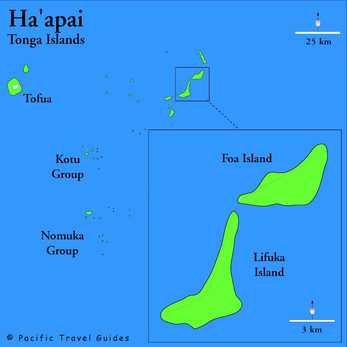
On September 29, 2026, a magnitude 5.4 earthquake occurred 99 kilometers south-southeast of Pangai, Tonga. According to authoritative sources, the event registered a green alert level, indicating a low likelihood of significant impact on the affected population or infrastructure. No additional details on the duration or specific response measures were provided in the source report.
Within 350 kilometers of the earthquake's epicenter, two submarine cables are monitored: the Tonga Cable, which lands in Nuku'alofa, Tonga (127 kilometers from the event), and the Hawaiki cable, which lands in Neiafu, Tonga (226 kilometers from the event). Current latency measurements for the Tonga Cable show an average of approximately 261 milliseconds over 41 checks in the past seven days, while the Hawaiki cable has maintained an average of approximately 144 milliseconds over 10 checks in the same period. Monitoring systems have identified one latency anomaly in the region, and no active alerts are present. These figures demonstrate the resilience of the submarine cable infrastructure in the vicinity of the earthquake, with systems actively observing performance metrics to ensure continued stability.
M5 earthquake · 77 km ENE of Tadine, New Caledonia

On September 29, 2026, a magnitude 5.0 earthquake occurred 77 km east-northeast of Tadine, New Caledonia. The event was localized in the South Pacific region, with no widespread reports of disruption. Authorities continue to monitor the area, ensuring safety and preparedness for any follow-up activity. The earthquake's moderate scale highlights the region's geophysical activity, though its impact on infrastructure and populations appears limited.
Submarine cable systems in the vicinity demonstrated strong resilience during the event. The Gondwana-2/Picot-2 cable, which connects Tadine (77 km from the epicenter) to other Pacific locations, maintained its average latency of approximately 61 milliseconds across recent checks. Similarly, the Gondwana-1 cable, landing in Noumea, New Caledonia (246 km from the epicenter), held its typical latency of around 29 milliseconds. These systems continued to support uninterrupted data flow, underscoring the robustness of the region's undersea connectivity.
Real-time monitoring of these and other submarine cable systems remains active, with 1872 latency checks conducted over the past 24 hours. This ongoing vigilance ensures that any changes in network performance are promptly identified and addressed, supporting reliable global communications.
M5.3 earthquake · 76 km NE of Tadine, New Caledonia

On September 29, 2026, a magnitude 5.3 earthquake occurred 76 km northeast of Tadine, New Caledonia. The event was localized to a relatively small area, with no reports of widespread impact. Emergency response teams in the region were alerted, and monitoring systems continue to assess any potential aftershocks or localized effects.
The submarine cable infrastructure in the vicinity demonstrated notable resilience during this seismic event. The Gondwana-2/Picot-2 cable, which lands at Tadine, New Caledonia (76 km from the epicenter), maintained its average latency of approximately 61 ms across recent checks. Similarly, the Gondwana-1 cable, connecting Noumea, New Caledonia (245 km from the epicenter), held steady at an average latency of 29 ms. These systems, critical for connectivity in the region, continued to carry traffic without disruption, underscoring their robust design and performance under geophysical stress.
Real-time monitoring remains active across these and other submarine cable corridors, with 1,958 latency checks conducted in the last 24 hours to ensure ongoing stability. The network's performance continues to be closely observed to support uninterrupted global communications.
M4.9 earthquake · 2 km SW of Sakai, Japan

On September 28, 2026, a magnitude 4.9 earthquake occurred 2 km southwest of Sakai, Japan. The event was localized in its impact area, with a relatively moderate magnitude and no widespread disruptions reported. Authorities responded promptly to assess the situation, ensuring safety measures were in place for the affected population.
The submarine cable infrastructure in the region demonstrated resilience during the event. Key systems such as the Japan Information Highway (JIH), which connects Ibaraki, Japan, held an average round-trip time of ~315ms, and the EAC-C2C system, landing at Ajigaura, Japan, maintained a stable ~134ms. Similarly, the Pacific Crossing-1 (PC-1) system, also landing at Ajigaura, upheld its performance at ~185ms. These systems, along with others in the area, continued to carry traffic uninterrupted, underscoring their robust design and operational stability.
Monitoring across these and other submarine cable systems remains active, with 1980 latency checks conducted in the past 24 hours to ensure ongoing performance. Real-time observation continues to safeguard connectivity and support global communications.
M4.9 earthquake · 124 km SE of Pondaguitan, Philippines

On September 28, 2026, a magnitude 4.9 earthquake occurred 124 km southeast of Pondaguitan, Philippines. While moderate in scale, the event highlights the region's seismic activity. Local populations and infrastructure within the affected radius were likely aware of the tremor, though no widespread disruptions were reported. The event underscores the importance of resilient systems in areas prone to such natural occurrences.
The submarine cable infrastructure in the region demonstrated robust performance during and after the earthquake. Key systems such as Apricot, Asia Connect Cable-1 (ACC-1), and SEA-US, all of which land at Davao, Philippines (approximately 225 km from the event), maintained their usual operational latencies. For example, Apricot held steady at an average round-trip time of ~173 ms over the past seven days, while SEA-US operated consistently at ~230 ms. These systems, critical for connecting Southeast Asia with broader global networks, continued to carry traffic without interruption.
Monitoring of these submarine cable corridors remains active in real time. With 2015 latency checks conducted across 713 systems in the last 24 hours, the network's performance is under continuous observation, ensuring resilience and reliability in dynamic environments.
M5.2 earthquake · 67 km ENE of Tadine, New Caledonia

On September 28, 2026, a magnitude 5.2 earthquake occurred 67 km east-northeast of Tadine, New Caledonia. The event impacted a sparsely populated area and lasted briefly, with regional monitoring systems responding promptly. While seismic activity of this scale can pose risks to infrastructure, the affected region demonstrated resilience in maintaining essential services during and after the event.
The submarine cable systems in the vicinity of the earthquake, including Gondwana-2/Picot-2 (landing at Tadine, 67 km from the epicenter) and Gondwana-1 (landing at Noumea, 238 km from the epicenter), continued to operate within expected parameters. Gondwana-2/Picot-2 maintained an average latency of approximately 61 ms over recent checks, while Gondwana-1 held steady at around 26 ms. These systems, which connect New Caledonia to wider regional networks, demonstrated their capacity to withstand seismic disturbances without disruption to data traffic.
Monitoring of these cable corridors remains active in real time, ensuring ongoing stability and performance. With 1982 latency checks conducted across 713 submarine cable systems in the last 24 hours, the network continues to be closely observed to support uninterrupted connectivity.