Ibaraki, Japan
Landing Point · JP Japan
1
Connected Cables
JP
Country
36.34°
Latitude
140.27°
Longitude
Ctrl + Scroll to zoom
Connected Cables
| Cable | Status |
|---|---|
| Japan Information Highway (JIH) | Active |
Live Performance
49
measurements
14
probes
153
days monitored
241.9
ms avg RTT
0
anomalies
RTT measurements to this landing point from 2026-05-12 through 2026-10-12 - live ICMP round-trip time via our monitoring probes. Recomputed daily. ✓ No anomalies detected in the monitored period.
Measurement sources
| Probe | Location | Samples | Avg |
|---|---|---|---|
| own probe | Almaty KZ | 12 | 326.1 ms |
| #6410 own probe | Sao Paulo BR | 11 | 307.0 ms |
| #6487 | control probe | 8 | 92.3 ms |
| own probe | Moscow RU | 4 | 267.6 ms |
| #7062 own probe | Cape Town ZA | 3 | 385.4 ms |
| #7433 | control probe | 2 | 13.5 ms |
| #55091 | control probe | 2 | 10.8 ms |
| #6568 own probe | Singapore SG | 1 | 75.9 ms |
| #50304 | control probe | 1 | 25.3 ms |
| own probe | Minsk BY | 1 | 299.7 ms |
| own probe | Tbilisi GE | 1 | 282.2 ms |
| own probe | Jerusalem IL | 1 | 279.7 ms |
| own probe | Saint Petersburg RU | 1 | 293.2 ms |
| own probe | Ekaterinburg RU | 1 | 293.1 ms |
About Ibaraki, Japan
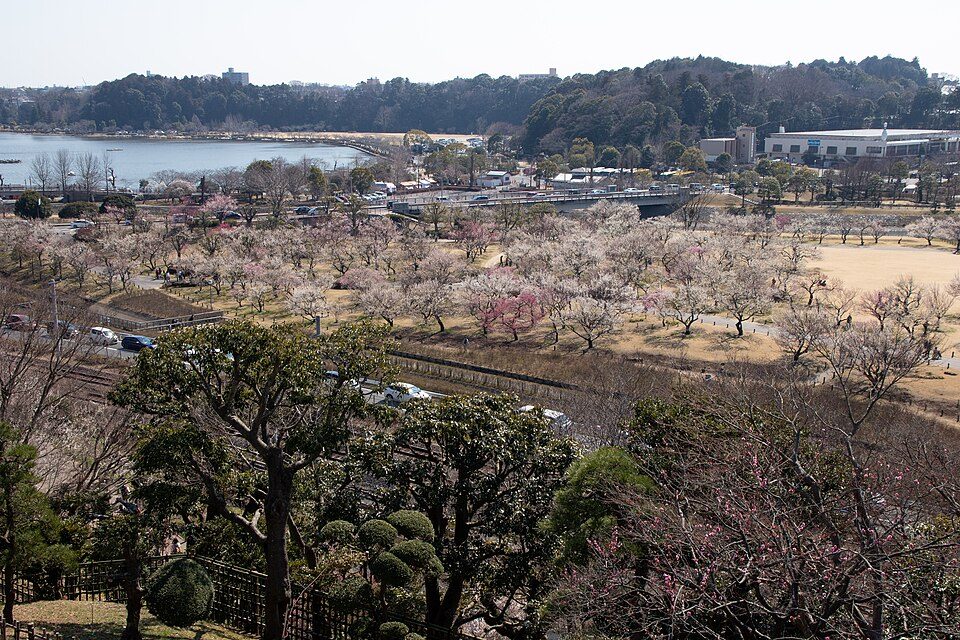
Ibaraki: A Quiet Link in Japan's Submarine Cable Network
Ibaraki, Japan, may not be the most prominent name in the country's extensive submarine cable infrastructure, but it plays a steady role in connecting the nation. Located in the Kantō region of Honshu, Ibaraki Prefecture borders the Pacific Ocean to the east, making it a natural choice for a cable landing point. Despite hosting only one submarine cable, the Japan Information Highway (JIH), its position within the broader network is worth examining.The Japan Information Highway: A Domestic Connector
The Japan Information Highway (JIH) cable, which became operational in 1999, is a 5,150-kilometer domestic cable linking Ibaraki to eight other landing points across Japan: Akita, Chikura, Ishikari, Miyazaki, Naha, Ninomiya, Sendai, and Shima. Unlike international cables that bridge continents, JIH is entirely focused on domestic connectivity, stitching together key regions of Japan. This cable ensures that Ibaraki, along with its peers, remains integrated into the country's robust digital infrastructure. While Ibaraki hosts only one cable, it is part of a network that spans 51 submarine cables landing at 68 points across Japan. With an average cable length of 5,696 kilometers, Japan's system is both dense and expansive. Ibaraki ranks in the top 68% of landing points by cable count, underscoring its modest but functional role in the network.Positioned Among Regional Giants
Ibaraki's single cable pales in comparison to some of its regional peers. Shima, for instance, hosts 12 cables, while Maruyama and Chikura manage 9 and 8 cables respectively. These landing points serve as major hubs for both domestic and international connectivity, whereas Ibaraki's focus is squarely on linking Japanese regions. Despite its smaller footprint, Ibaraki benefits from the reliability of the JIH cable, which ensures consistent data flow across the country.Latency Insights: Reliable Performance
GeoCables' exclusive monitoring data reveals that Ibaraki's connectivity performance is solid. Across 11 completed latency checks from source cities, the average round-trip latency measures 280 milliseconds, with the best observed latency at 94 milliseconds. While these numbers may not rival the ultra-low latencies of major international hubs, they are more than sufficient for domestic data exchange and regional operations.Why Ibaraki Matters
Ibaraki's role in Japan's cable infrastructure may be overshadowed by larger landing points, but its connection via the Japan Information Highway ensures that it remains part of the country's digital infrastructure. As a prefecture with a population of over 2.8 million and a diverse economy, reliable connectivity is essential for businesses, research institutions, and residents alike. While not a hub for international traffic, Ibaraki's domestic link ensures that its voice is heard in Japan's interconnected landscape. In the grand scheme of Japan's submarine cable network, Ibaraki is a quiet but dependable node, contributing to the seamless flow of information across the nation.What next: Ibaraki, Japan in the global directory of cable landing points; see surrounding routes on the interactive submarine cable map or follow live network monitoring.
Other Landing Points in Japan
JP Aguni, Japan
26.5872°N 127.2290°E
JP Ajigaura, Japan
36.3836°N 140.6123°E
JP Akita, Japan
39.7167°N 140.1167°E
JP Ama, Japan
26.2310°N 127.2923°E
JP Aogashima, Japan
32.4572°N 139.7656°E
JP Awashimaura, Japan
38.4646°N 139.2528°E
JP Chichijima, Japan
27.0665°N 142.2041°E
JP Chikura, Japan
34.9767°N 139.9547°E
JP Emi, Japan
35.0624°N 140.0611°E
JP Fukuoka, Japan
33.5904°N 130.4017°E
JP Gusukube, Japan
24.7515°N 125.3873°E
JP Hachijo, Japan
33.1123°N 139.7968°E
Landing Point
- CountryJP Japan
- Coordinates36.3422°N 140.2699°E
- Connected Cables1
See Real Cable Routes
View actual submarine cable routing from Ibaraki, Japan - with backbone nodes, distance calculations, and latency estimates
Open Calculator →
Submarine cables
Land fiber
Live probes