Hachijo, Japan
Landing Point · JP Japan
Connected Cables
| Cable | Status |
|---|---|
| 5 Villages 6 Islands | Active |
| Hachijojima-Mainland | Active |
| Izu Islands Cable System | Active |
| Ogasawara Cable Network | Active |
Live Performance
RTT measurements to this landing point from 2026-03-26 through 2026-09-22 - live ICMP round-trip time via our monitoring probes. Recomputed daily. ✓ No anomalies detected in the monitored period.
Measurement sources
| Probe | Location | Samples | Avg |
|---|---|---|---|
| own probe | Almaty KZ | 13 | 299.5 ms |
| #6410 own probe | Sao Paulo BR | 11 | 290.6 ms |
| #6487 | control probe | 9 | 81.8 ms |
| #6427 own probe | Sydney AU | 3 | 175.3 ms |
| #7062 own probe | Cape Town ZA | 2 | 383.0 ms |
| #65595 | control probe | 2 | 34.0 ms |
| own probe | Minsk BY | 2 | 306.7 ms |
| own probe | Tbilisi GE | 2 | 288.1 ms |
| own probe | Jerusalem IL | 2 | 310.0 ms |
| #14843 | control probe | 1 | 7.1 ms |
| #22388 | control probe | 1 | 11.2 ms |
About Hachijo, Japan
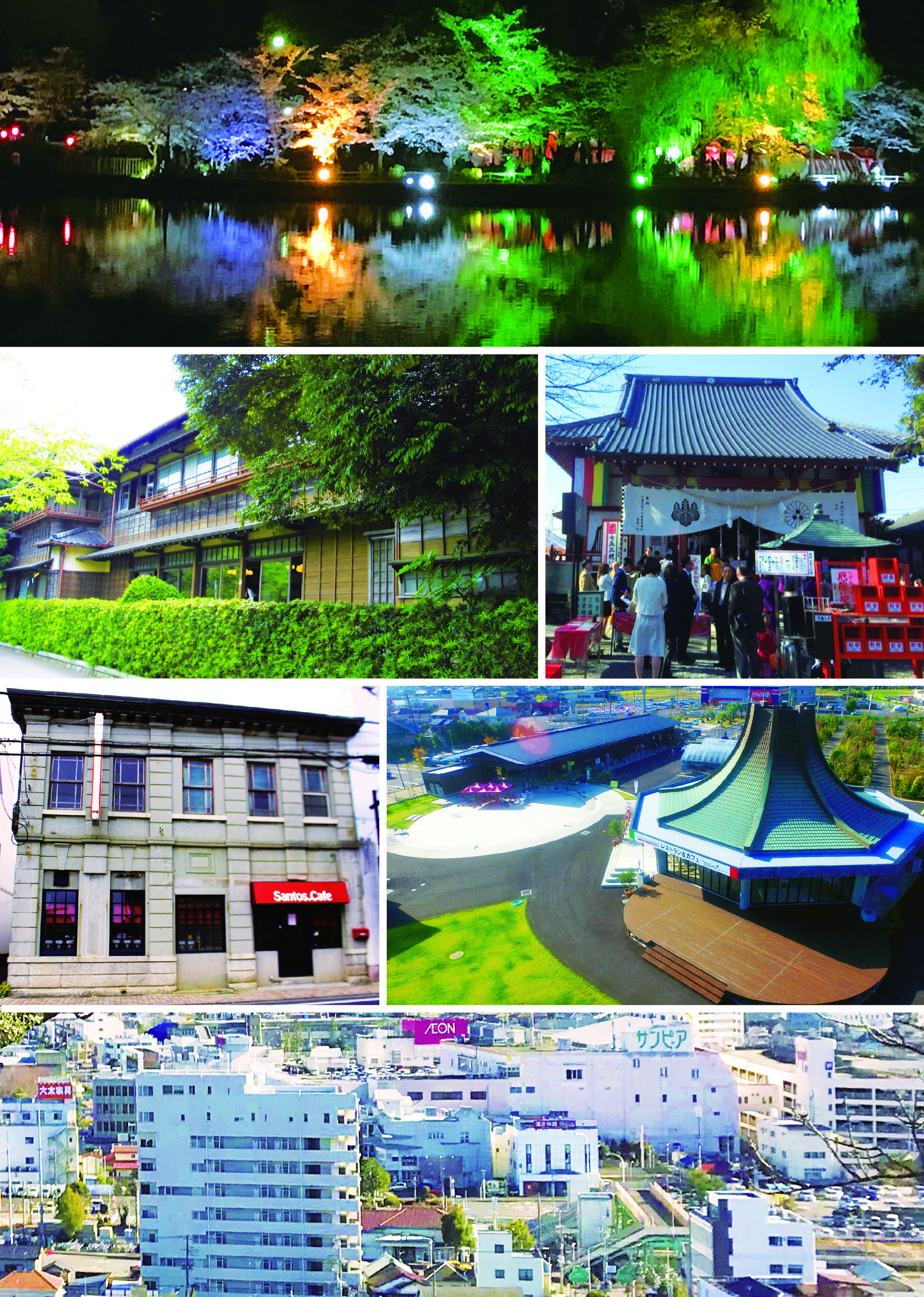
Hachijo: Submarine Cable Landing Point
Hachijo is a submarine cable landing point located in Japan, serving as a connectivity node for the domestic island network along Japan's Pacific coastline. Four submarine cables land at Hachijo, each connecting it exclusively to other points within Japan. The cables operating here serve inter-island and island-to-mainland corridors, linking Hachijo to the broader Japanese archipelago rather than to international destinations.
The cables landing at Hachijo span a range of generations, with the earliest entering service in 1996 and the most recent in 2019. Together, they reflect a sustained effort over more than two decades to maintain and expand submarine connectivity for this part of Japan's island chain. The Ogasawara Cable Network, at 1,038 km, is the longest of the four and represents the most substantial infrastructure commitment among the cables serving this landing point.
Cables Landing at Hachijo
Ogasawara Cable Network entered service in 2011 and extends 1,038 km, connecting Hachijo to other locations within Japan. It is the longest cable landing at this point and serves the corridor linking the Japanese mainland region with the more remote Ogasawara island group.
5 Villages 6 Islands entered service in 2019 and spans 355 km, connecting Hachijo to other points within Japan. It is the most recently commissioned cable at this landing point and the shortest in terms of distance.
Hachijojima-Mainland entered service in 2008, connecting Hachijo directly to the Japanese mainland. No length data is available for this cable. It provides a direct link between the island and Japan's main landmass.
Izu Islands Cable System entered service in 1996, making it the oldest cable at this landing point. It connects Hachijo to other locations within Japan along the Izu island chain. No length data is available for this cable.
Regional Context
Within Japan's submarine cable network of 68 landing points, Hachijo ranks among the upper tier by cable count, hosting 4 cables and placing it alongside Minamiboso and Naha, which also host 4 cables each. Larger hubs such as Shima, with 12 cables, and Maruyama, with 9, serve a considerably broader range of connections. Hachijo's role is therefore more specialized, focused on domestic inter-island connectivity rather than the high-volume international traffic that characterizes Japan's largest landing points.
Network Role
Hachijo functions as a multi-cable domestic hub, aggregating four separate submarine cable systems that all operate within Japan. The cables it hosts span from 1996 to 2019, indicating that the landing point has been progressively upgraded and supplemented over time to maintain reliable island connectivity. The Izu Islands Cable System, the Hachijojima-Mainland cable, the Ogasawara Cable Network, and the 5 Villages 6 Islands cable together form a layered set of routes connecting Hachijo to the Japanese mainland and to neighboring island groups in the Pacific.
In the broader Japanese submarine cable graph, Hachijo represents a domestically oriented node whose significance lies in sustaining inter-island links across a geographically dispersed archipelago, contributing to the overall resilience and reach of Japan's internal submarine cable infrastructure.
What next: Hachijo, Japan in the global directory of cable landing points; see surrounding routes on the interactive submarine cable map or follow live network monitoring.
Other Landing Points in Japan
FAQ
Landing Point
- CountryJP Japan
- Coordinates33.1123°N 139.7968°E
- Connected Cables4
See Real Cable Routes
View actual submarine cable routing from Hachijo, Japan - with backbone nodes, distance calculations, and latency estimates
Open Calculator →