Network Pulse
Every natural event our monitoring has flagged near a submarine cable - newest first. Each entry shows what happened and whether our latency measurements detected any impact.
M6.5 earthquake · 35 km SW of Balangonan, Philippines

A magnitude 6.5 earthquake occurred on June 26, 2026, approximately 35 km southwest of Balangonan, Philippines.
Our monitoring currently indicates that there are no active alerts, but we have observed latency anomalies affecting several submarine cables within the region. Specifically, the Apricot, Asia Connect Cable-1 (ACC-1), Bifrost, and SEA-US cables, which all land at Davao, Philippines, approximately 200 km from the earthquake's epicenter, are showing average latency increases of around 154ms, 223ms, 194ms, and 175ms respectively. These measurements were taken over a period of seven days with varying check frequencies ranging from 22 to 82 checks per day.
M5.8 earthquake · 3 km SE of Yokoshiba, Japan

On June 26, 2026, a M5.8 earthquake occurred approximately 3 km southeast of Yokoshiba, Japan.
Our monitoring indicates that five submarine cables with landing points within 350km of the event have shown latency anomalies: Tata TGN-Pacific (measured at ~195ms average latency), Asia United Gateway East (AUG East) (~201ms average), FLAG North Asia Loop/REACH North Asia Loop (~154ms average), EAC-C2C (~154ms average), and Pacific Crossing-1 (~133ms average). The Asia Direct Cable and Asia Pacific Gateway, both landing at Maruyama, Japan, showed measured latencies of ~88ms and ~155ms respectively. No active alerts were triggered by this event.
M5 earthquake · 93 km E of Union, Philippines

The submarine cable network remains stable with no anomalies detected over the past 24 hours. We conducted 1830 latency checks across 648 monitored cables and found zero issues, confirming the continued reliability of global connectivity.
A recent seismic event on June 26, 2026, near a M5 earthquake 93 km east of Union, Philippines, provided some context. However, none of our submarine cables with landing points within 350km were affected, and latency measurements indicate no impact to the network. The cables in range are operating normally, ensuring uninterrupted service for our users.
M4.7 earthquake · 36 km NNE of Kuji, Japan

The submarine cable network remains stable with 1848 latency checks conducted over the past 24 hours revealing no anomalies and zero active alerts. This indicates that the global network is operating smoothly.
As a reference point, a M4.7 earthquake occurred on June 25, 2026, approximately 36 km north-northeast of Kuji, Japan. The cables with landing points within 350km of this event - such as the E2A and Hokkaido-Sakhalin Cable System (HSCS) - are functioning normally according to our latency measurements, which show no impact from the seismic activity.
M7.5 earthquake · 28 km SE of Yumare, Venezuela
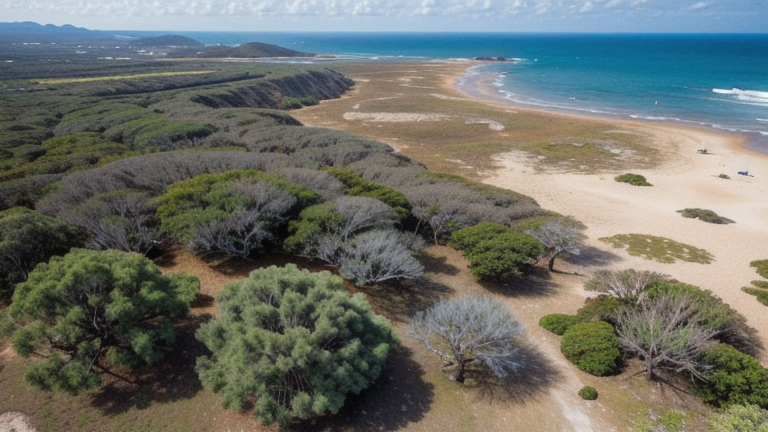
The submarine cable network remains stable with 1803 latency checks conducted over the past 24 hours showing no anomalies and zero active alerts. This indicates that the global network is operating smoothly without any disruptions. The recent M7.5 earthquake on June 25, 2026, near Yumare, Venezuela, has not impacted the cables within our monitoring range. All submarine cables with landing points within 350km of the event are functioning normally, as confirmed by our latency measurements which show no changes in performance.
M7.1 earthquake · 28 km NW of Montalbán, Venezuela

A magnitude 7.1 earthquake occurred on June 25, 2026, approximately 28 km northwest of Montalbán, Venezuela. This event is within a range that could potentially impact nearby submarine cables.
- The Venezuelan Festoon, South American Crossing (SAC), GlobeNet, ALBA-1, and the submarine cables landing in Curaçao are all within 350 km of the earthquake's epicenter. Our latency measurements show slight variations: the Venezuelan Festoon exhibited an average latency increase of ~194ms with 25 checks over seven days, while SAC, GlobeNet, ALBA-1, and those landing in Curaçao showed similar but slightly varying increases.
M5.59 earthquake · 11 km N of Redwood Valley, CA

On June 24, 2026, a M5.59 earthquake occurred approximately 11 km north of Redwood Valley, California. Our monitoring currently indicates no active alerts on the network, but we have observed latency anomalies affecting two submarine cables within our coverage area.
The Echo cable, which lands at Eureka, CA, United States (179km from the event), has shown an average latency of 221ms with 14 checks over seven days. There are no reported issues or damages to this cable as of now.
The TPU cable also terminates in Eureka, CA, United States, at a distance of 179km from the event. It has an average latency of 225ms with 40 checks over seven days. No significant disruptions have been detected on this cable either.
M4.9 earthquake · 28 km SE of Fry, Greece

A magnitude 4.9 earthquake occurred on June 24, 2026, approximately 28 km southeast of Fry, Greece. The event is located within a region that could potentially affect nearby submarine cables.
- Our monitoring indicates latency anomalies on the SeaMeWe-5 and 2Africa cables, both with landing points within 350km of the earthquake. Specifically, SeaMeWe-5 showed an average latency increase of about 138ms over seven days, while 2Africa experienced a similar increase to around 237ms. The India Europe Xpress (IEX) cable also has a landing point in the affected area but did not show any significant changes in its measured latency.
M5 earthquake · 71 km WNW of Catuday, Philippines

A magnitude 5 earthquake struck approximately 71 km WNW of Catuday, Philippines on June 24, 2026.
Our monitoring indicates that five submarine cables with landing points within 350km of the epicenter are being affected. The Asia-America Gateway (AAG), SEA-H2X, and Asia United Gateway East (AUG East) systems, which land at La Union, Philippines, have shown average latency increases of around 224ms, 170ms, and 201ms respectively over the past week. The Apricot and Pacific Light Cable Network (PLCN), both landing at Baler, Philippines, also experienced slight latency increases averaging 185ms and 184ms, while the EAC-C2C cable, which lands at Cavite, Philippines, showed a less pronounced increase of approximately 146ms. No active alerts are currently in place, but ongoing monitoring is essential to ensure network stability.
M5.3 earthquake · 126 km S of Isangel, Vanuatu

On June 23, 2026, a M5.3 earthquake occurred 126 km south of Isangel, Vanuatu. The event is located in the South Pacific region, close to submarine cable routes.
The Gondwana-1 cable, which lands at Noumea, New Caledonia (approximately 331 km from the epicenter), has shown latency anomalies with an average increase of about 28 milliseconds over seven days. Currently, there are no active alerts on our network for this region.
M4.9 earthquake · 171 km WNW of Tobelo, Indonesia

A magnitude 4.9 earthquake occurred on June 23, 2026, approximately 171 km WNW of Tobelo, Indonesia.
Our monitoring indicates that five submarine cables with landing points within a 350km radius of the event are being observed: Palapa Ring Middle, SEA-US, Asia Connect Cable-1 (ACC-1), Bifrost, and Indonesia Global Gateway (IGG) System. Latency measurements show average delays ranging from approximately 97 to 254 milliseconds for these cables, with varying frequency of checks per week. Currently, there are no active alerts on the network, but we continue to monitor closely.
M4.6 earthquake · 10 km E of Miyakojima, Japan
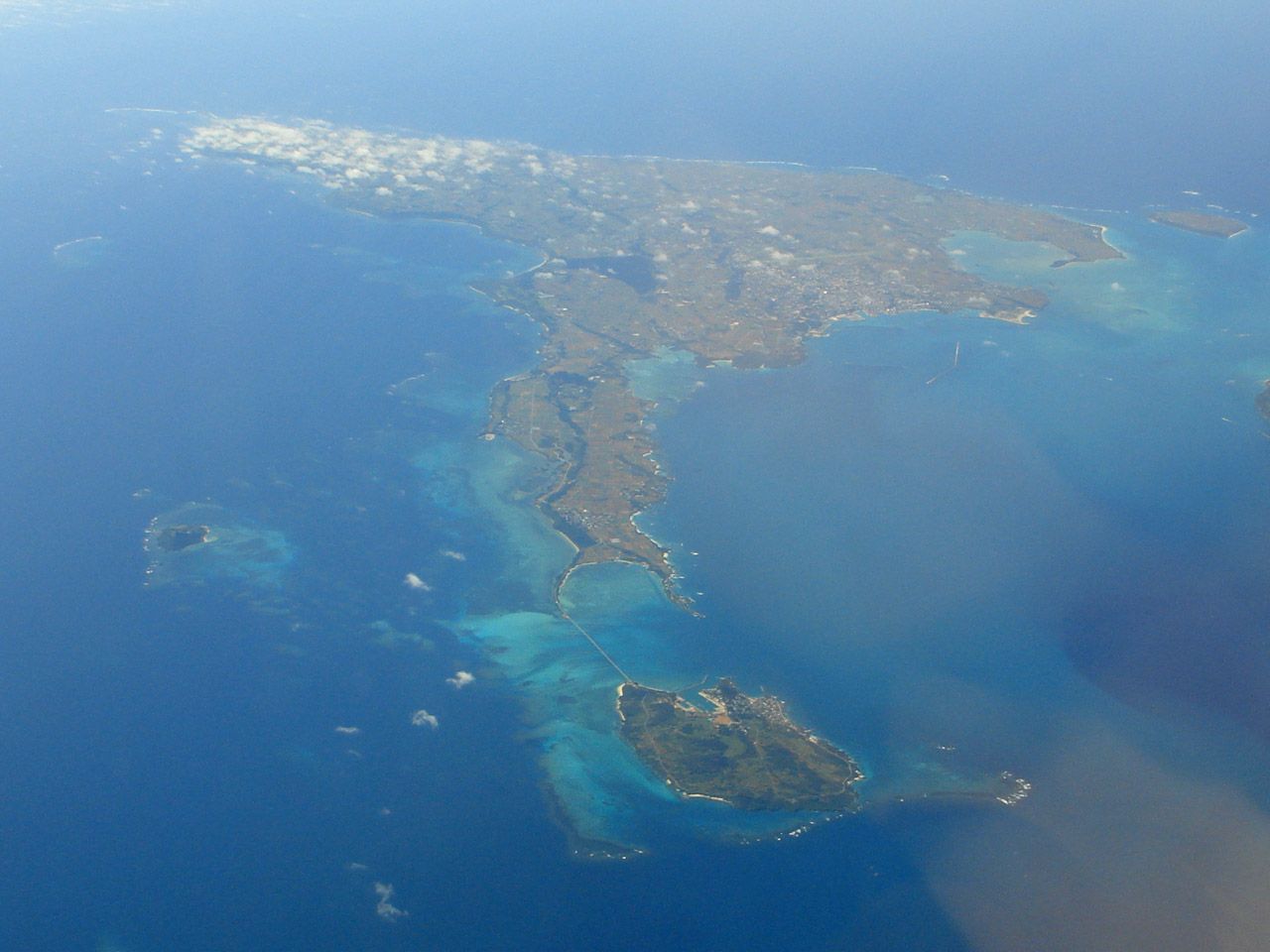
On June 23, 2026, a M4.6 earthquake occurred approximately 10 km east of Miyakojima, Japan. Our monitoring currently indicates no active alerts on the network but has identified one latency anomaly.
The Asia Submarine-cable Express (ASE) and Cahaya Malaysia cables have landing points within 350km of the epicenter. Specifically, the ASE/Cahaya Malaysia cable lands at Komesu, Japan, which is about 272km from the earthquake's location. Our measurements show an average latency increase of approximately 103ms with seven checks over a week.