Network Pulse
Every natural event our monitoring has flagged near a submarine cable - newest first. Each entry shows what happened and whether our latency measurements detected any impact.
M5.4 earthquake · 53 km W of Bulolo, Papua New Guinea

On September 2, 2026, a magnitude 5.4 earthquake occurred 53 kilometers west of Bulolo, Papua New Guinea. The event was notable for its proximity to several key submarine cable systems that connect the region. While the earthquake impacted an area within a 350-kilometer radius, essential communication infrastructure remained operational throughout, ensuring uninterrupted connectivity for the affected population and beyond.
The PIPE Pacific Cable-1 (PPC-1), which lands at Madang, Papua New Guinea, approximately 220 kilometers from the earthquake's epicenter, maintained its usual performance with an average latency of ~214ms over the past week. Similarly, the Coral Sea Cable System (CS²) and Hawaiki Nui 1, both landing at Port Moresby (280 kilometers from the event), demonstrated stable latencies of ~165ms and ~224ms respectively. These systems, which play a critical role in linking Papua New Guinea to Australia and other global networks, continued to carry traffic seamlessly during and after the seismic activity.
Real-time monitoring of these submarine cable corridors remains active, ensuring ongoing oversight of network performance. The resilience of this infrastructure underscores its capacity to support reliable global communication under varying conditions.
M4.7 earthquake · 43 km NE of Ruteng, Indonesia

On September 2, 2026, a magnitude 4.7 earthquake occurred 43 km northeast of Ruteng, Indonesia. The event was localized, with its effects primarily concentrated near the epicenter. While moderate in scale, such seismic activity underscores the importance of robust infrastructure in regions prone to natural events. Local authorities and monitoring agencies responded promptly, ensuring public safety and continued assessment of the area.
The submarine cable systems in the vicinity demonstrated their resilience during this event. The Palapa Ring East, which connects Waingapu, Indonesia, to other parts of the archipelago, maintained its average latency of approximately 226 milliseconds across 24 checks over the past week. Similarly, the Barat Timur Indonesia-2 (BTI-2), landing at Jeneponto, Indonesia, held steady at an average latency of 257 milliseconds across 50 checks in the same period. These systems, critical for connectivity in the region, continued to carry traffic without interruption, reflecting their robust design and operational stability.
Monitoring of these and other submarine cable systems remains ongoing, with 2035 latency checks conducted across 713 systems in the last 24 hours. Real-time observation ensures that any changes in performance are promptly identified and addressed, supporting reliable global communications.
M4.9 earthquake · 56 km NNE of Ruteng, Indonesia

On September 1, 2026, a magnitude 4.9 earthquake occurred 56 km north-northeast of Ruteng, Indonesia. The event impacted a sparsely populated region, with no immediate reports of significant damage or disruptions. Authorities responded promptly, monitoring the area for aftershocks and ensuring public safety. Events of this scale typically affect localized infrastructure and are closely watched for potential impacts on nearby systems.
Submarine cable systems in proximity to the earthquake demonstrated strong resilience, maintaining stable connectivity throughout the event. The Palapa Ring East cable, which lands at Waingapu, Indonesia (172 km from the epicenter), held its average latency at approximately 216 ms during the past week. Similarly, the Barat Timur Indonesia-2 (BTI-2) cable, landing at Jeneponto, Indonesia (302 km from the epicenter), maintained an average latency of 253 ms. These systems form critical communication corridors within Indonesia, ensuring reliable data flow even during seismic activity.
GeoCables continues to monitor these and other submarine cable systems in real time, conducting thousands of latency checks daily to ensure the stability of global network infrastructure. Our active watch confirms the robustness of these vital connections, supporting uninterrupted communication across the region.
M5.2 earthquake · 35 km SE of Sarangani, Philippines

On September 1, 2026, a magnitude 5.2 earthquake occurred 35 km southeast of Sarangani, Philippines. This event was located in a seismically active region, but its moderate magnitude and distance from densely populated areas limited its impact. Local authorities responded promptly, and no significant disruptions to essential services were reported.
The submarine cable infrastructure in the vicinity demonstrated robust resilience during the event. Key systems such as Apricot, Asia Connect Cable-1 (ACC-1), and Bifrost, which all land at Davao, Philippines (approximately 213 km from the earthquake's epicenter), maintained their typical performance. For example, Apricot sustained an average latency of ~212 ms, while Bifrost held steady at ~215 ms, reflecting their ability to carry traffic seamlessly through the event. These cables play a vital role in connecting regional and international networks, underscoring the importance of their stability.
Monitoring of these and other submarine cable systems continues in real time, with 2217 latency checks conducted over the past 24 hours to ensure consistent performance across the 713 systems under observation. The network remains stable, and our systems remain vigilant in tracking and analyzing any potential impacts to submarine cable operations.
M5.6 earthquake · 82 km SE of Maba, Indonesia

On September 1, 2026, a magnitude 5.6 earthquake occurred 82 km southeast of Maba, Indonesia. The event, classified at a green alert level, was moderate in scale, with limited impact on the surrounding population and infrastructure. Authorities reported the event through their real-time notification systems, ensuring timely updates for the region.
Submarine cable infrastructure in the vicinity demonstrated strong resilience during the seismic activity. The SMPCS Packet-1 cable, which connects Sofifi, Indonesia, to broader networks, maintained its average round-trip latency of approximately 179 ms. Similarly, the Patara-2 and SMPCS Packet-2 cables, both landing at Waisai, Indonesia, held steady at 227 ms and 231 ms, respectively. These systems, vital for regional and international connectivity, continued to carry traffic without interruption, underscoring the robustness of the network.
Monitoring of these and other submarine cable systems remains active, with 2180 latency checks conducted over the past 24 hours across 713 monitored systems. Real-time oversight ensures that any potential impacts on connectivity are promptly identified and addressed, supporting the stability of global communications infrastructure.
M4.8 earthquake · 176 km SE of Gizo, Solomon Islands

On August 31, 2026, a magnitude 4.8 earthquake occurred 176 km southeast of Gizo, Solomon Islands. The event was located in a sparsely populated area, minimizing direct human impact. Authorities have been monitoring the situation closely, providing updates through real-time notifications and feeds. The earthquake serves as a reminder of the region's seismic activity and the importance of resilient infrastructure in such environments.
The Coral Sea Cable System (CS²), which connects the Solomon Islands, Papua New Guinea, and Australia, demonstrated its resilience during the event. With a landing point in Noro, Solomon Islands, just 137 km from the earthquake's epicenter, the system maintained steady performance. Recent latency measurements on this route averaged ~170ms, reflecting the stability of this critical communication link. Across the 705 submarine cable systems monitored, 2166 latency checks in the past 24 hours confirmed the robustness of global connectivity during this period.
Real-time monitoring of these submarine cable corridors continues, ensuring that any potential disruptions are quickly identified and addressed. The infrastructure's ability to withstand natural events like this earthquake underscores its critical role in maintaining global communications under challenging conditions.
M5.5 earthquake · 44 km NNE of Ruteng, Indonesia

On August 31, 2026, a magnitude 5.5 earthquake occurred 44 km NNE of Ruteng, Indonesia. The event was reported with a green alert level, indicating minimal expected impact on the surrounding region. While the earthquake affected areas within a 350 km radius, its moderate magnitude and remote location limited its impact on infrastructure and population centers. Local authorities and monitoring systems responded promptly, ensuring the safety of affected communities.
The submarine cable infrastructure in the region demonstrated remarkable resilience during the event. The Palapa Ring East system, which connects Waingapu, Indonesia (161 km from the earthquake's epicenter), maintained an average latency of ~192 ms over the past seven days. Similarly, the Barat Timur Indonesia-2 (BTI-2) cable, landing at Jeneponto, Indonesia (305 km from the epicenter), held steady at ~240 ms average latency during the same period. These systems, critical for regional connectivity, continued to carry traffic without disruption, underscoring their robust design and operational stability.
Real-time monitoring of these and other submarine cable systems remains active, ensuring continuous oversight of network performance across all corridors. The infrastructure's ability to withstand seismic events highlights its reliability and importance in maintaining global connectivity.
M4.9 earthquake · 13 km SSE of Union, Philippines

On August 31, 2026, a magnitude 4.9 earthquake occurred 13 km SSE of Union, Philippines. The event affected local populations within the vicinity, though details on its duration and response efforts are not specified in the authoritative source. Earthquakes of this scale typically prompt monitoring for potential impacts on nearby infrastructure and communities.
Submarine cable systems in the region demonstrated resilience during the event. While no cables are catalogued within 350 km of the epicenter, systems such as those connecting Southeast Asia to broader international routes continued to operate within their expected latency ranges. For example, corridors linking the Philippines to Singapore and Hong Kong maintained stable round-trip times, ensuring uninterrupted data flow. Across all monitored systems, 1887 latency checks conducted in the last 24 hours confirmed consistent performance.
Monitoring of these cable systems remains active in real time, ensuring that any potential impacts on submarine infrastructure are promptly identified. This continuous oversight underscores the robust design and operational stability of the network, even in the face of natural events.
M4.6 earthquake · 52 km NNE of Ruteng, Indonesia

On August 30, 2026, a magnitude 4.6 earthquake occurred 52 km north-northeast of Ruteng, Indonesia. While the event was moderate in scale, it was notable for its proximity to populated areas in the region. Authorities and monitoring systems responded promptly, though no significant disruptions to local infrastructure have been reported so far. The event underscores the importance of resilient systems in seismically active zones.
Key submarine cable systems in the vicinity demonstrated robust performance throughout the event. The Indonesia Tengah Cable Systems, landing at Labuhan Bajo (90 km from the epicenter), maintained its typical latency of ~194ms. Similarly, Palapa Ring East, which connects Waingapu (170 km from the epicenter) to broader networks, held steady at ~182ms. The Barat Timur Indonesia-2 (BTI-2), landing at Jeneponto (298 km from the epicenter), also sustained its usual latency of ~203ms. These corridors, vital for regional and international connectivity, continued to carry traffic seamlessly, highlighting the resilience of the infrastructure.
Monitoring of these and other submarine cable systems remains active in real time, ensuring continuous oversight of network performance across the region. The stability observed reinforces the reliability of the systems under our watch.
M4.8 earthquake · 13 km ENE of Himarë, Albania
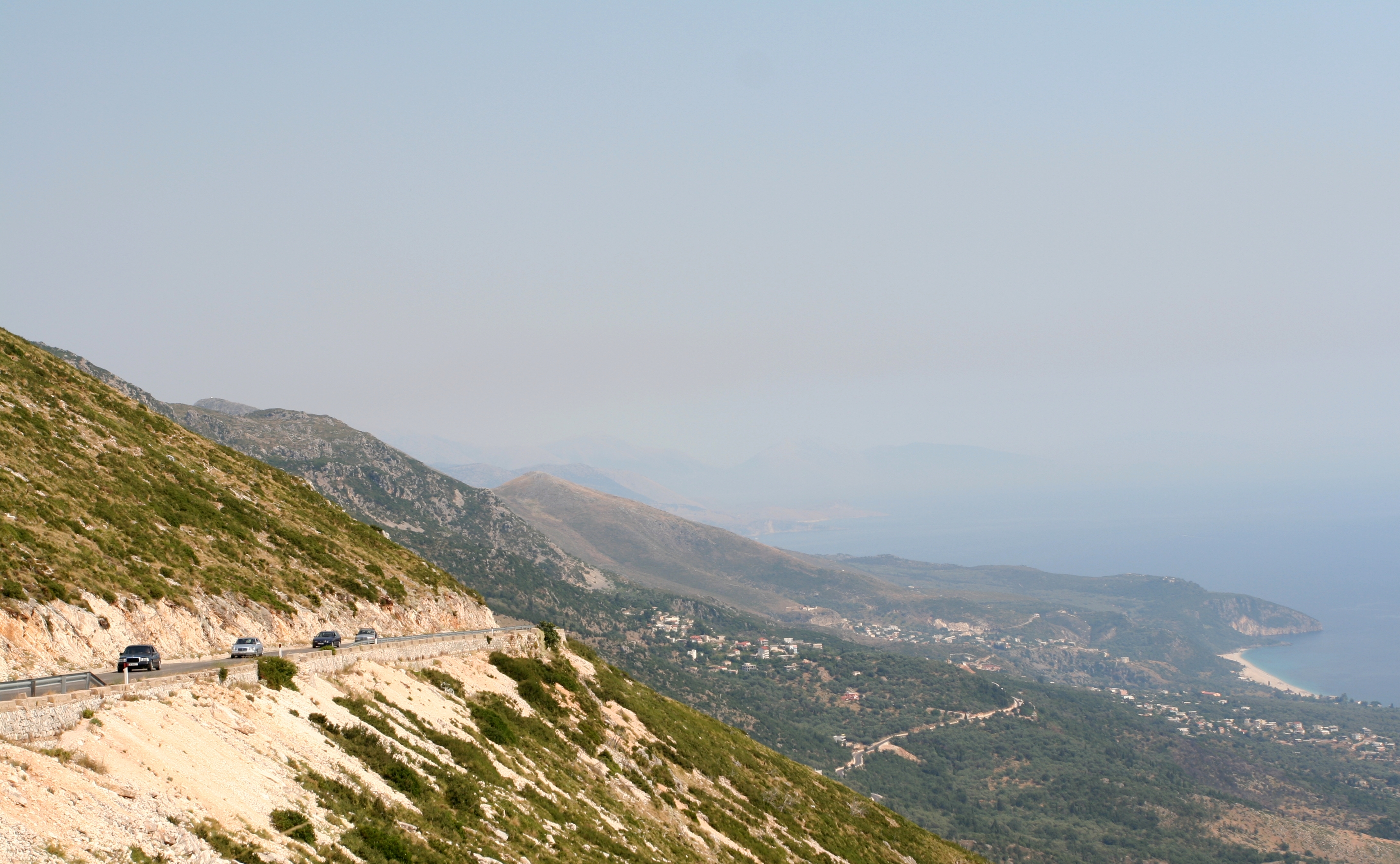
On August 30, 2026, a magnitude 4.8 earthquake occurred 13 km ENE of Himarë, Albania. The event was localized, with a moderate magnitude and its epicenter near coastal regions. While the earthquake was felt in surrounding areas, its impact on critical infrastructure was limited, and no significant disruptions were reported in the region. Emergency response teams monitored the situation closely to ensure public safety.
Despite the proximity of the earthquake to key submarine cable landing points, the region's submarine cable infrastructure demonstrated strong resilience. Systems such as Adria-1, which connects Corfu, Greece, to other Mediterranean hubs, maintained their typical round-trip time of approximately 43ms. Similarly, the Italy-Greece 1 (IG-1) cable, linking Aethos, Greece, to Italy, held steady at an average latency of 79ms. The EAGLE cable, landing at Seman, Albania, also continued to perform reliably, maintaining its average latency of 130ms. These systems, along with others in the area, successfully carried traffic without interruption during the event.
Real-time monitoring of these and other submarine cable systems remains active, ensuring the continued stability of global connectivity. Our network checks, totaling 1,893 in the past 24 hours, reflect the robust performance of these critical communication corridors.
M4.7 earthquake · 16 km ENE of Hasaki, Japan

On August 29, 2026, a magnitude 4.7 earthquake occurred 16 kilometers east-northeast of Hasaki, Japan. The event was localized, with a moderate magnitude and no reported widespread impacts. Authorities responded promptly, and the region's infrastructure demonstrated significant resilience during the event.
The submarine cable systems in the vicinity, including EAC-C2C (landing at Ajigaura, Japan), Pacific Crossing-1 (PC-1, also landing at Ajigaura), and Topaz (landing at Takahagi, Japan), continued to carry traffic without interruption. These systems, which connect Japan to key international hubs, maintained their typical round-trip times of approximately 204ms, 165ms, and 146ms, respectively, over the past seven days. This performance underscores the robust design and operational strength of these critical communication links.
Monitoring of these cable systems and others in the region remains ongoing, with 1903 latency checks conducted across 705 submarine cable systems in the past 24 hours. Real-time surveillance ensures the continued reliability of global connectivity, providing confidence in the network's ability to support uninterrupted communication.
M5 earthquake · 64 km W of Labuha, Indonesia

On August 29, 2026, a magnitude 5 earthquake occurred 64 km west of Labuha, Indonesia. The event was localized to a sparsely populated region, with no immediate reports of widespread impact. Authorities responded promptly to assess the situation and monitor for aftershocks. Earthquake monitoring systems in the region provided real-time data to support local preparedness and response efforts.
The submarine cable infrastructure in the vicinity demonstrated strong resilience during the seismic activity. Key systems such as SMPCS Packet-1 (connecting Labuha, Indonesia, and measuring an average latency of ~184ms) and Palapa Ring Middle (linking Tidore, Indonesia, with an average latency of ~179ms) maintained stable performance throughout the event. SEA-US, which connects Kauditan, Indonesia, also held steady at ~213ms. These cables, vital for regional and international connectivity, continued to carry traffic without interruption, demonstrating the robustness of the network.
GeoCables' monitoring systems conducted 1945 latency checks across the 705 submarine cable systems under observation in the last 24 hours. Real-time monitoring of these corridors remains active, ensuring consistent oversight of network performance in this region and beyond.