Yuza, Japan
Landing Point · JP Japan
1
Connected Cables
JP
Country
39.02°
Latitude
139.91°
Longitude
Ctrl + Scroll to zoom
Connected Cables
| Cable | Status |
|---|---|
| Yuza-Tobishima | Active |
Live Performance
45
measurements
11
probes
159
days monitored
253.4
ms avg RTT
0
anomalies
RTT measurements to this landing point from 2026-03-07 through 2026-08-13 - live ICMP round-trip time via our monitoring probes. Recomputed daily. ✓ No anomalies detected in the monitored period.
Measurement sources
| Probe | Location | Samples | Avg |
|---|---|---|---|
| own probe | Almaty KZ | 9 | 297.1 ms |
| own probe | Moscow RU | 6 | 258.6 ms |
| #6410 own probe | Sao Paulo BR | 5 | 275.7 ms |
| #6487 | control probe | 5 | 81.6 ms |
| #7062 own probe | Cape Town ZA | 5 | 423.0 ms |
| own probe | Tbilisi GE | 4 | 289.7 ms |
| own probe | Minsk BY | 3 | 292.0 ms |
| own probe | Jerusalem IL | 3 | 290.1 ms |
| #29036 | control probe | 2 | 13.9 ms |
| #52844 | control probe | 2 | 38.9 ms |
| own probe | Saint Petersburg RU | 1 | 265.2 ms |
About Yuza, Japan
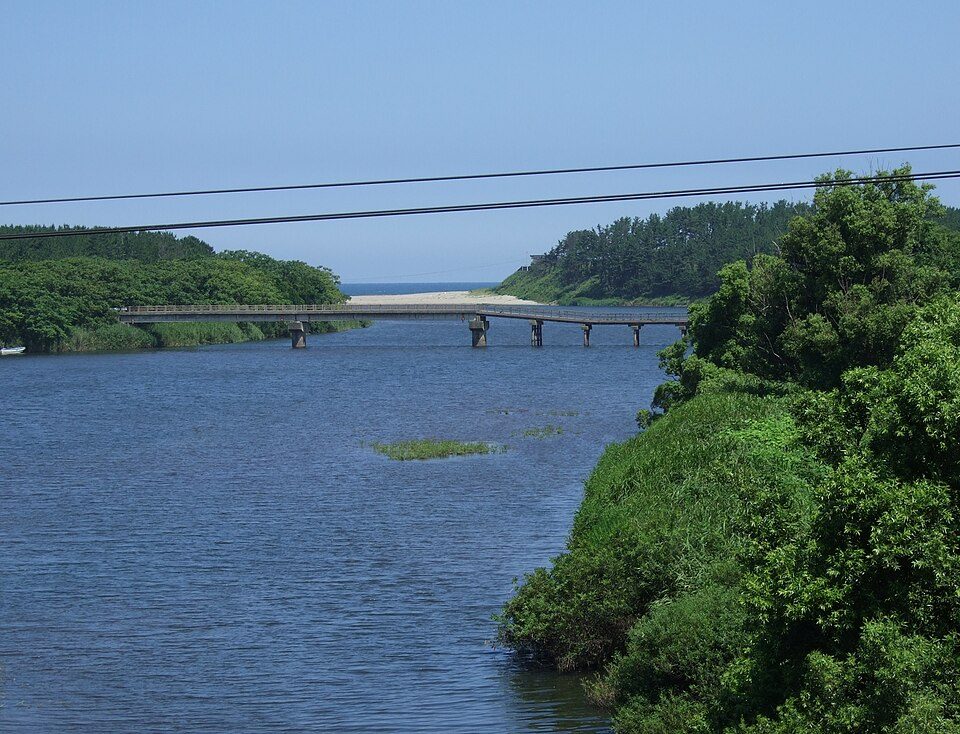
Yuza: A Quiet Gateway in Japan's Submarine Cable Network
Yuza, a small town in Yamagata Prefecture, Japan, is home to a single submarine cable landing point: the Yuza-Tobishima cable. This 31-kilometer domestic cable, operational since 2022, connects Yuza to Tobishima, another landing point within Japan. While Yuza may not boast the heavy cable traffic seen in larger hubs like Shima (12 cables) or Maruyama (9 cables), its role is nonetheless important in stitching together regional connectivity along Japan's coastline.The Yuza-Tobishima Cable: A Local Link
Unlike Japan's major international cable hubs, Yuza's sole cable is purely domestic. The Yuza-Tobishima cable provides connectivity between Yuza and Tobishima, ensuring reliable communication and data transfer within this part of the country. At just 31 kilometers in length, it is a short but significant piece of infrastructure in a nation where the average submarine cable length is nearly 5,700 kilometers. This local link positions Yuza as a modest node in Japan's extensive network of 51 submarine cables spread across 68 landing points. While Yuza ranks in the top 68% of landing points by cable count, its single cable highlights the disparity between smaller towns and major hubs like Shima, Maruyama, and Chikura, which host multiple international cables.Latency Measurements: Yuza's Performance
GeoCables' monitoring of the Yuza landing point reveals average round-trip latency of 275 milliseconds, with the best observed latency at 80 milliseconds. These measurements underscore the cable's efficiency in handling data traffic, even as it serves a more localized function compared to Japan's larger hubs. The consistency of these latency figures ensures that Yuza remains a dependable point for regional connectivity.Yuza: A Town Beyond the Cable
Yuza itself is a quiet town nestled in Yamagata Prefecture, with a population of just over 12,000 spread across 208 square kilometers. Known for its rural charm and proximity to natural beauty, Yuza's economy and daily life likely benefit from the connectivity provided by the Yuza-Tobishima cable. While the town may not be a technological powerhouse, the presence of the cable ensures that residents and businesses remain connected to the broader network of Japan.Conclusion: A Small but Steady Link
Yuza's submarine cable landing point may not rival the scale of Japan's larger hubs, but its role within the domestic network is clear. The Yuza-Tobishima cable is a reliable connector between two regional points, ensuring that even smaller towns like Yuza remain integrated into Japan's advanced digital infrastructure. For this quiet town, the cable is not about global reach but about sustaining local connections-and that is a story worth telling.What next: Yuza, Japan in the global directory of cable landing points; see surrounding routes on the interactive submarine cable map or follow live network monitoring.
Other Landing Points in Japan
JP Aguni, Japan
26.5872°N 127.2290°E
JP Ajigaura, Japan
36.3836°N 140.6123°E
JP Akita, Japan
39.7167°N 140.1167°E
JP Ama, Japan
26.2310°N 127.2923°E
JP Aogashima, Japan
32.4572°N 139.7656°E
JP Awashimaura, Japan
38.4646°N 139.2528°E
JP Chichijima, Japan
27.0665°N 142.2041°E
JP Chikura, Japan
34.9767°N 139.9547°E
JP Emi, Japan
35.0624°N 140.0611°E
JP Fukuoka, Japan
33.5904°N 130.4017°E
JP Gusukube, Japan
24.7515°N 125.3873°E
JP Hachijo, Japan
33.1123°N 139.7968°E
Landing Point
- CountryJP Japan
- Coordinates39.0210°N 139.9096°E
- Connected Cables1
See Real Cable Routes
View actual submarine cable routing from Yuza, Japan - with backbone nodes, distance calculations, and latency estimates
Open Calculator →
Submarine cables
Land fiber
Live probes