Toshima, Japan
Landing Point · JP Japan
Connected Cables
| Cable | Status |
|---|---|
| 5 Villages 6 Islands | Active |
Live Performance
RTT measurements to this landing point from 2026-03-05 through 2026-09-15 - live ICMP round-trip time via our monitoring probes. Recomputed daily. ✓ No anomalies detected in the monitored period.
Measurement sources
| Probe | Location | Samples | Avg |
|---|---|---|---|
| own probe | Almaty KZ | 6 | 314.8 ms |
| #6410 own probe | Sao Paulo BR | 4 | 290.7 ms |
| #7062 own probe | Cape Town ZA | 4 | 383.5 ms |
| own probe | Moscow RU | 4 | 261.2 ms |
| #28714 | control probe | 3 | 8.5 ms |
| #62268 | control probe | 3 | 26.5 ms |
| own probe | Saint Petersburg RU | 3 | 265.8 ms |
| #6487 | control probe | 2 | 81.4 ms |
| #22388 | control probe | 2 | 5.4 ms |
| own probe | Minsk BY | 2 | 292.1 ms |
| own probe | Tbilisi GE | 2 | 307.2 ms |
| #25759 | control probe | 1 | 1.9 ms |
| own probe | Jerusalem IL | 1 | 310.8 ms |
About Toshima, Japan
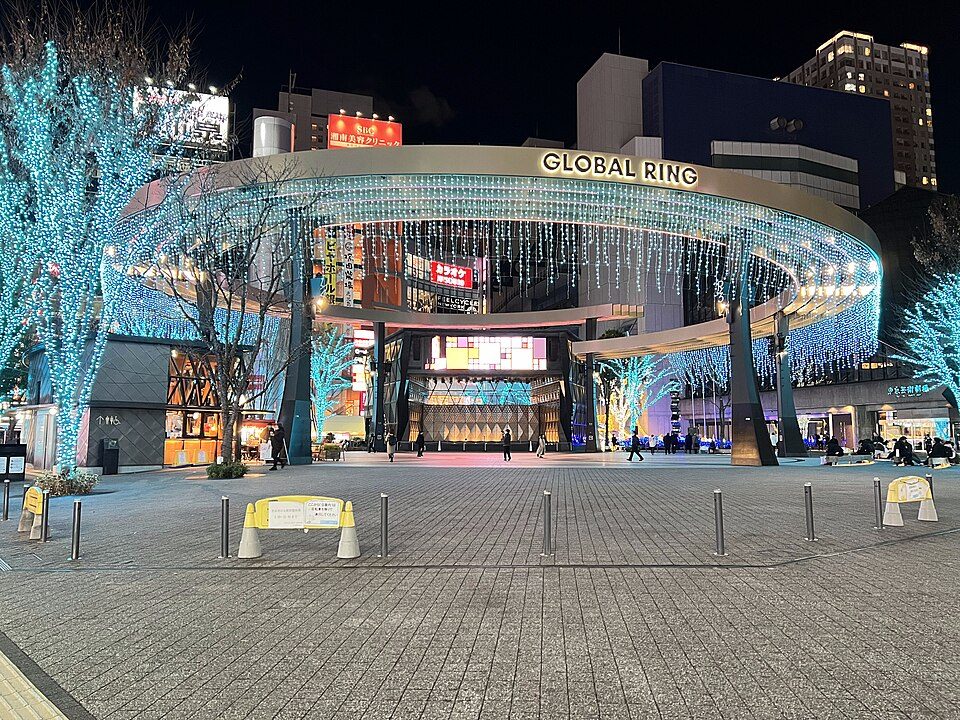
Toshima, Japan: Submarine Cable Landing Point
Toshima is a special ward within the Tokyo Metropolis in Japan, situated in the northern area of the city and bordered by several other wards of the metropolitan region. As a landing point for submarine cable infrastructure, it forms part of Japan's extensive coastal and near-coastal cable network. One submarine cable lands at Toshima, connecting it to the broader domestic cable system that serves the Japanese archipelago.
The single cable landing here, the 5 Villages 6 Islands system, is a domestic Japanese cable linking Toshima to other points within Japan. This places Toshima within an intra-national connectivity corridor rather than an intercontinental one, serving the regional and inter-island communication needs of the Tokyo metropolitan area and its surrounding communities.
Cables Landing at Toshima
The 5 Villages 6 Islands cable is the sole submarine cable landing at Toshima. Spanning approximately 355 kilometres, it reached ready-for-service (RFS) status in 2019, with a draft designation indicating its operational or planning status at that time. All endpoints of this cable are located within Japan, confirming its role as a domestic system. The cable's name references the communities and island groupings it is designed to serve, connecting multiple localities across the Japanese island chain within a regional footprint.
Regional Context
Across Japan's 68 submarine cable landing points, Toshima hosts one cable, placing it in the upper 68 percent of landing points by cable count - a position that reflects its role as a more specialised, single-system terminus rather than a major multi-cable hub. By comparison, other Japanese landing points such as Shima (12 cables), Maruyama (9 cables), and Chikura (8 cables) handle significantly higher volumes of cable infrastructure, while Hachijo, Minamiboso, and Naha each host four cables. Toshima sits at the more modest end of this spectrum, alongside landing points with focused, localised connectivity roles.
Network Role
Toshima functions as a single-cable terminus within Japan's domestic submarine cable network, supporting intra-national connectivity through the 5 Villages 6 Islands system. Its corridor is entirely domestic, linking communities within Japan rather than bridging international or intercontinental routes. This distinguishes Toshima from the large international gateway landing points that characterise much of Japan's submarine cable map.
Within the regional submarine cable graph, Toshima represents the category of landing points that extend connectivity to smaller communities and island groupings - a function that complements the major hubs by ensuring that localities beyond the primary international corridors remain linked to the national network.
What next: Toshima, Japan in the global directory of cable landing points; see surrounding routes on the interactive submarine cable map or follow live network monitoring.
Other Landing Points in Japan
Landing Point
- CountryJP Japan
- Coordinates34.5298°N 139.2789°E
- Connected Cables1
See Real Cable Routes
View actual submarine cable routing from Toshima, Japan - with backbone nodes, distance calculations, and latency estimates
Open Calculator →