Shima, Japan
Landing Point · JP Japan
Connected Cables
| Cable | Status |
|---|---|
| Asia Pacific Gateway (APG) | Active |
| Australia-Japan Cable (AJC) | Active |
| EAC-C2C | Active |
| FASTER | Active |
| I-AM Cable | Planned |
| Japan Information Highway (JIH) | Active |
| JUNO | Active |
| JUPITER | Active |
| Pacific Crossing-1 (PC-1) | Active |
| Proa | Active |
| Southeast Asia-Japan Cable 2 (SJC2) | Active |
| Topaz | Active |
Live Performance
RTT measurements to this landing point from 2026-03-06 through 2026-10-18 - live ICMP round-trip time via our monitoring probes. Recomputed daily. ✓ No anomalies detected in the monitored period.
Measurement sources
| Probe | Location | Samples | Avg |
|---|---|---|---|
| #1011060 | control probe | 197 | 121.2 ms |
| #329 | control probe | 129 | 147.0 ms |
| #1011380 | control probe | 21 | 122.2 ms |
| own probe | Almaty KZ | 14 | 325.7 ms |
| #6923 | control probe | 9 | 41.8 ms |
| own probe | Tbilisi GE | 9 | 323.7 ms |
| own probe | Minsk BY | 8 | 293.2 ms |
| #6410 own probe | Sao Paulo BR | 4 | 269.9 ms |
| #6487 | control probe | 4 | 82.9 ms |
| own probe | Jerusalem IL | 3 | 309.8 ms |
| #7480 | control probe | 1 | 117.1 ms |
About Shima, Japan
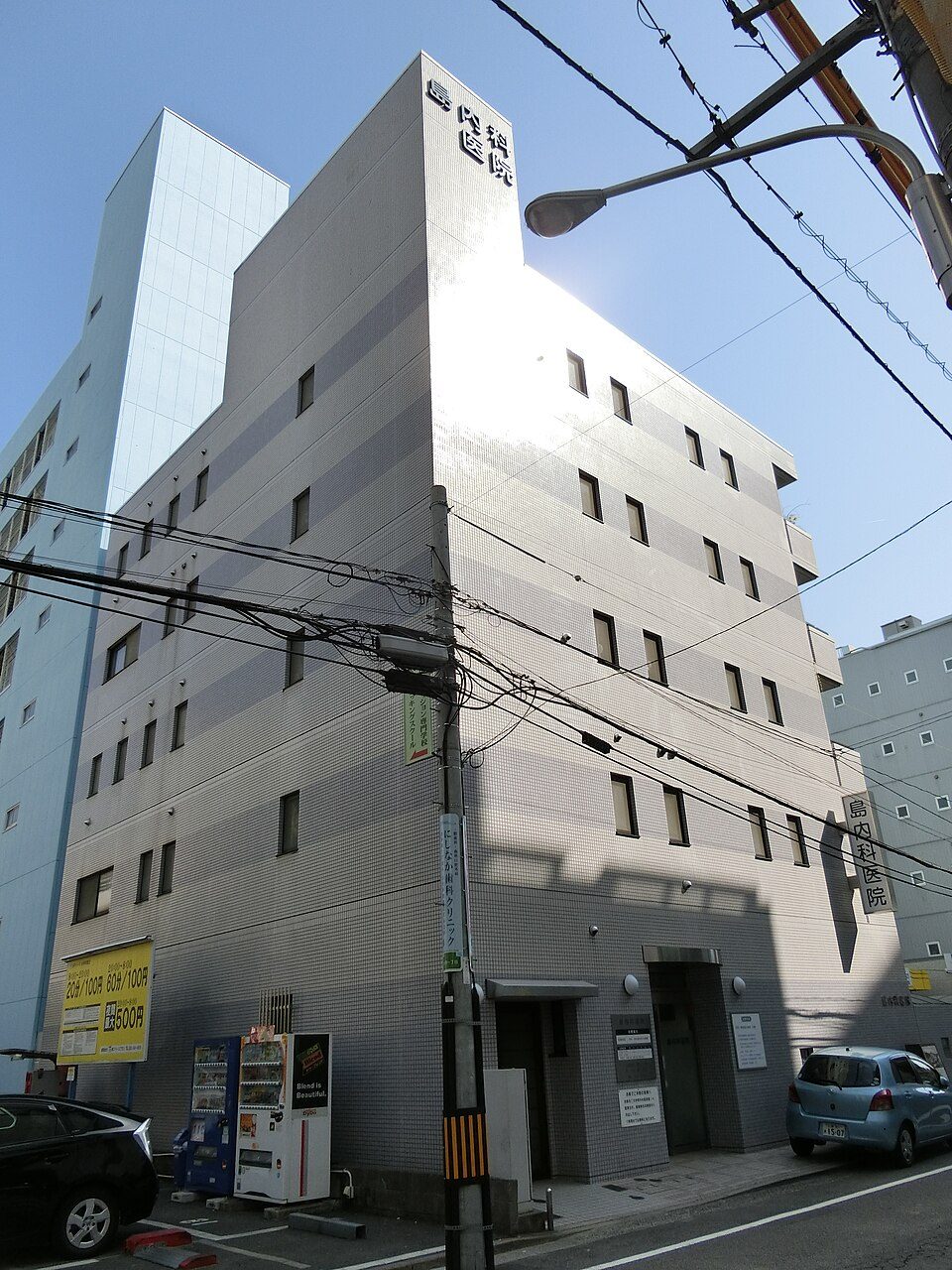
Shima, Japan is a submarine cable landing point in Japan (coordinates 34.3368°, 136.8744°). It serves 12 submarine cable systems, making it a major regional hub in Japan's international connectivity infrastructure.
Shima is a city in Mie Prefecture, Japan. As of 31 January 2024, the city had an estimated population of 45,073 in 22,511 households and a population density of 251 persons per km2. The total area of the city is 179.67 square kilometres (69.37 sq mi). Shima hosted the 2016 G7 Summit. Wikipedia
Connected submarine cables
| Cable | RFS | Length | Owners |
|---|---|---|---|
| I-AM Cable | 2029 | 8,100 km | Intra‑Asia Marine Networks Co., Ltd. |
| Proa | 2026 | 2,891 km | |
| JUNO | 2025 | 11,710 km | Seren Juno |
| Southeast Asia-Japan Cable 2 (SJC2) | 2025 | 10,500 km | China Mobile, Chunghwa Telecom, DongHwa Telecom, … |
| Topaz | 2023 | -1 km | |
| JUPITER | 2020 | 14,557 km | Amazon Web Services, Meta, NTT, … |
| Asia Pacific Gateway (APG) | 2016 | 10,400 km | China Mobile, China Telecom, China Unicom, … |
| FASTER | 2016 | 11,629 km | China Mobile, China Telecom, Google, … |
| EAC-C2C | 2002 | 36,500 km | Telstra |
| Australia-Japan Cable (AJC) | 2001 | 12,700 km | AT&T, NTT, Softbank, … |
| Japan Information Highway (JIH) | 1999 | 5,150 km | KDDI |
| Pacific Crossing-1 (PC-1) | 1999 | 21,000 km | Pacific Crossing |
Operators landing at Shima, Japan
Cables landing at Shima, Japan are operated by 31 distinct consortium partners and carriers, including AT&T, Amazon Web Services, China Mobile, China Telecom, China Unicom, Chunghwa Telecom, DongHwa Telecom, Google, Intra‑Asia Marine Networks Co., KDDI, and 21 others. Each cable is typically jointly owned by a consortium of tier-one carriers and hyperscale operators who share construction costs and capacity; the operator mix reflects both regional incumbents and global players with interest in the routes served by this landing point.
Connectivity profile
From Shima, Japan, international traffic can reach 14 countries through 12 cable systems. Destinations include Australia, Canada, China, Guam, Japan, Malaysia, Northern Mariana Islands, Philippines and 6 more. With multiple redundant paths, traffic at this landing point can reroute through alternative cables if any single system experiences an outage.
Monitoring status
GeoCables recorded 3 monitoring events on cables serving Shima, Japan in the past 90 days. Our monitoring network continuously samples latency from external probes to targets reachable via these cables.
About the cables
- I-AM Cable (2029) - I-AM Cable is a cross-regional submarine cable connecting South Korea, Singapore, Japan, Malaysia. Its 6 landing points at Busan, Changi, Fukuoka, Minamiboso, Sedili, and 1 more bridge the networks of East Asia, Southeast Asia, providing an important path for international data traffic. Read more →
- Proa (2026) - Proa is a 2,891 km submarine cable ready for service in 2026, connecting Japan and Guam with landings at Shima (Japan), Tanguisson Point and Tinian (Mariana Islands). The cable was built by NEC as system supplier, with 16 fibre pairs delivering a design capacity of 25 Tbps. Read more →
- JUNO (2025) - JUNO is a point-to-point submarine cable linking United States and Japan. Landing at Grover Beach, Minamiboso, Shima, it provides a direct fiber-optic path between the two countries, serving as both a primary data route and a redundancy option for neighboring cable systems. Read more →
- Southeast Asia-Japan Cable 2 (SJC2) (2025) - Southeast Asia Japan Cable 2 (SJC2) is a submarine cable ready for service in 2025, connecting ten landing stations across eight jurisdictions in East and Southeast Asia: Busan in South Korea, Chikura and Shima in Japan, Fangshan and Tanshui in Taiwan, Chung Hom Kok in Hong Kong, Lingang in mainland China, Quy Nhon in Vietnam, Songkhla in Thailand, and Changi South in Singapore. Read more →
- Topaz (2023) - Topaz is a cross-regional submarine cable connecting Taiwan, Canada, Japan. Its 5 landing points at Dawu, Port Alberni, Shima, Takahagi, Vancouver bridge the networks of East Asia, North America, providing an important path for international data traffic. Read more →
- JUPITER (2020) - JUPITER is a trans-Pacific submarine cable with five landing points: Maruyama and Shima in Japan, Hermosa Beach and Cloverdale in the United States, and Daet in the Philippines. Ready for service in 2020, the 14,557 km system was built to carry hyperscaler traffic between North America and East Asia, with a branching unit extending the reach into Southeast Asia. Read more →
- Asia Pacific Gateway (APG) (2016) - Asia Pacific Gateway (APG) is a 10,400-kilometre submarine cable system that connects eight East and Southeast Asian countries. It entered service in 2016 and today links eleven landing stations across mainland China, Hong Kong, Japan, South Korea, Taiwan, Malaysia, Singapore, Thailand, and Vietnam. Read more →
- FASTER (2016) - FASTER is a cross-regional submarine cable connecting United States, Japan, Taiwan. Its 4 landing points at Bandon, Chikura, Shima, Tanshui bridge the networks of North America, East Asia, providing an important path for international data traffic. Read more →
- EAC-C2C (2002) - EAC-C2C is a 36,500 km submarine cable system forming a ring around East Asia, with sixteen landing stations across seven countries and territories: Japan, South Korea, China, Taiwan, Hong Kong, the Philippines, and Singapore. Read more →
- Australia-Japan Cable (AJC) (2001) - Australia-Japan Cable (AJC) is a cross-regional submarine cable connecting Japan, Australia, Guam. Its 6 landing points at Maruyama, Oxford Falls, Paddington, Shima, Tanguisson Point, and 1 more bridge the networks of East Asia, Oceania, providing an important path for international data traffic. Read more →
- Japan Information Highway (JIH) (1999) - Japan Information Highway (JIH) is a domestic submarine cable network within Japan, connecting 9 coastal and island locations including Akita, Chikura, Ibaraki, Ishikari, Miyazaki, and 4 more. The system provides essential telecommunications infrastructure for communities that would otherwise depend entirely on satellite or microwave links. Read more →
- Pacific Crossing-1 (PC-1) (1999) - Pacific Crossing-1 (PC-1) is a 21,000 km submarine cable between the United States and Japan, first lit for service in 2000 and fully commissioned in 2001. It is one of the oldest trans-Pacific cables still in commercial operation. Its four landings sit at Grover Beach in California, Harbour Point (Mukilteo) in Washington, Shima in Japan, and Ajigaura also in Japan. Read more →
What next: Shima, Japan in the global directory of cable landing points; see surrounding routes on the interactive submarine cable map or follow live network monitoring.
Incident history
Significant incidents on cables landing here, each with its own report.
- Asia Pacific Gateway (APG) cable: latency up to 2.3× normal, 17 Apr 2026 (resolved)
- Asia Pacific Gateway (APG) cable: latency up to 2.5× normal, 17 Apr 2026 (resolved)
Other Landing Points in Japan
FAQ
Landing Point
- CountryJP Japan
- Coordinates34.3368°N 136.8744°E
- Connected Cables12
See Real Cable Routes
View actual submarine cable routing from Shima, Japan - with backbone nodes, distance calculations, and latency estimates
Open Calculator →