Oshima, Japan
Landing Point · JP Japan
2
Connected Cables
JP
Country
34.75°
Latitude
139.36°
Longitude
Ctrl + Scroll to zoom
Connected Cables
| Cable | Status |
|---|---|
| 5 Villages 6 Islands | Active |
| Izu Islands Cable System | Active |
Live Performance
77
measurements
17
probes
215
days monitored
237.4
ms avg RTT
0
anomalies
RTT measurements to this landing point from 2026-03-14 through 2026-10-16 - live ICMP round-trip time via our monitoring probes. Recomputed daily. ✓ No anomalies detected in the monitored period.
Measurement sources
| Probe | Location | Samples | Avg |
|---|---|---|---|
| own probe | Almaty KZ | 17 | 294.9 ms |
| #6410 own probe | Sao Paulo BR | 14 | 294.8 ms |
| #6487 | control probe | 14 | 106.6 ms |
| own probe | Moscow RU | 6 | 253.3 ms |
| #7062 own probe | Cape Town ZA | 5 | 395.5 ms |
| own probe | Minsk BY | 4 | 287.7 ms |
| own probe | Tbilisi GE | 4 | 304.4 ms |
| own probe | Jerusalem IL | 3 | 290.1 ms |
| #62268 | control probe | 2 | 27.9 ms |
| #6427 own probe | Sydney AU | 1 | 168.6 ms |
| #6568 own probe | Singapore SG | 1 | 75.7 ms |
| #14199 | control probe | 1 | 6.8 ms |
| #14843 | control probe | 1 | 7.4 ms |
| #25759 | control probe | 1 | 1.9 ms |
| #28714 | control probe | 1 | 5.1 ms |
| own probe | Sevastopol UA | 1 | 298.1 ms |
| own probe | Ekaterinburg RU | 1 | 293.3 ms |
About Oshima, Japan
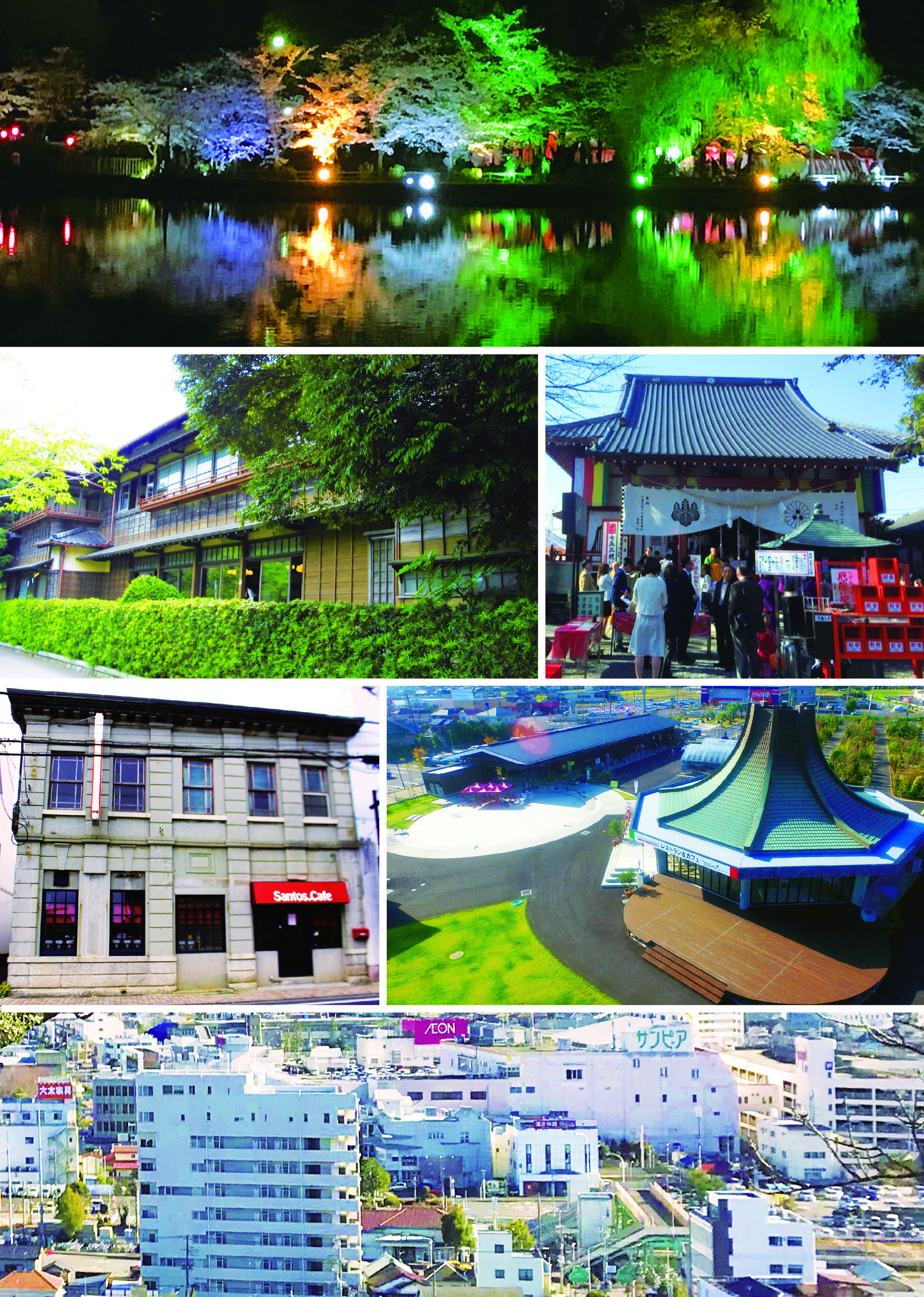
Oshima: A Gateway to Japan's Remote Islands
Oshima, a small island in Japan's Izu Archipelago, plays a unique role in the nation's submarine cable network. While many landing points in Japan, such as Shima, Maruyama, and Chikura, host numerous international cables, Oshima is part of a domestic chain that connects the scattered islands of the Izu region. With two cables landing here-the 5 Villages 6 Islands cable and the Izu Islands Cable System-Oshima is a hub for local connectivity rather than global traffic.Connecting the Izu Islands
The 5 Villages 6 Islands cable, operational since 2019, stitches together eight other landing points in the Izu Archipelago, including Hachijo, Miyake, and Niijima. This cable is relatively short at 355 km, reflecting its purpose: to ensure reliable communication between these remote islands and the mainland. The Izu Islands Cable System, which has been in service since 1996, complements this network by linking Oshima to Hachijo, Itō, and Miyake. Together, these cables form a lifeline for the region, enabling everything from internet access to phone calls. Unlike major landing points such as Shima, which hosts 12 cables and serves as a critical node for international connectivity, Oshima's cables are entirely domestic. They do not connect directly to other countries, but their importance lies in their ability to bring the Izu Islands into Japan's broader telecommunications framework.Latency Measurements: Reliable but Remote
GeoCables' unique monitoring of Oshima reveals an average round-trip latency of 268 ms from 10 source cities, with the best observed latency at 79 ms. These figures reflect the island's relative remoteness and the domestic focus of its cables. While latency here is higher compared to major hubs like Tokyo or Osaka, it is sufficient for the needs of the local population and businesses.The Role of Oshima in Japan's Submarine Cable Network
Japan is home to 51 submarine cables landing at 68 points across the country, with an average cable length of 5696 km. Oshima's two cables place it in the top 90% of landing points by cable count, highlighting its role as a regional connector rather than a national or international hub. For the residents of Oshima and the surrounding islands, these cables are essential for staying connected to the mainland. Whether it's students accessing online education, businesses coordinating with partners in Tokyo, or families keeping in touch with loved ones, the cables landing in Oshima ensure that the island's isolation does not mean disconnection.What next: Oshima, Japan in the global directory of cable landing points; see surrounding routes on the interactive submarine cable map or follow live network monitoring.
Other Landing Points in Japan
JP Aguni, Japan
26.5872°N 127.2290°E
JP Ajigaura, Japan
36.3836°N 140.6123°E
JP Akita, Japan
39.7167°N 140.1167°E
JP Ama, Japan
26.2310°N 127.2923°E
JP Aogashima, Japan
32.4572°N 139.7656°E
JP Awashimaura, Japan
38.4646°N 139.2528°E
JP Chichijima, Japan
27.0665°N 142.2041°E
JP Chikura, Japan
34.9767°N 139.9547°E
JP Emi, Japan
35.0624°N 140.0611°E
JP Fukuoka, Japan
33.5904°N 130.4017°E
JP Gusukube, Japan
24.7515°N 125.3873°E
JP Hachijo, Japan
33.1123°N 139.7968°E
Landing Point
- CountryJP Japan
- Coordinates34.7507°N 139.3607°E
- Connected Cables2
See Real Cable Routes
View actual submarine cable routing from Oshima, Japan - with backbone nodes, distance calculations, and latency estimates
Open Calculator →
Submarine cables
Land fiber
Live probes