Kumejima, Japan
Landing Point · JP Japan
1
Connected Cables
JP
Country
26.35°
Latitude
126.78°
Longitude
Ctrl + Scroll to zoom
Connected Cables
| Cable | Status |
|---|---|
| Okinawa Remote Islands | Active |
Live Performance
61
measurements
14
probes
172
days monitored
258.1
ms avg RTT
0
anomalies
RTT measurements to this landing point from 2026-03-15 through 2026-09-04 - live ICMP round-trip time via our monitoring probes. Recomputed daily. ✓ No anomalies detected in the monitored period.
Measurement sources
| Probe | Location | Samples | Avg |
|---|---|---|---|
| own probe | Almaty KZ | 12 | 291.7 ms |
| own probe | Tbilisi GE | 8 | 285.0 ms |
| own probe | Minsk BY | 6 | 270.7 ms |
| own probe | Jerusalem IL | 6 | 279.9 ms |
| #6410 own probe | Sao Paulo BR | 5 | 341.9 ms |
| #6427 own probe | Sydney AU | 5 | 172.6 ms |
| #6487 | control probe | 4 | 79.6 ms |
| #7062 own probe | Cape Town ZA | 4 | 423.9 ms |
| own probe | Sevastopol UA | 3 | 294.0 ms |
| own probe | Moscow RU | 3 | 245.8 ms |
| #1013597 | control probe | 2 | 36.4 ms |
| #60306 | control probe | 1 | 42.2 ms |
| own probe | Balancer IL | 1 | 274.9 ms |
| #1016578 | control probe | 1 | 63.0 ms |
About Kumejima, Japan
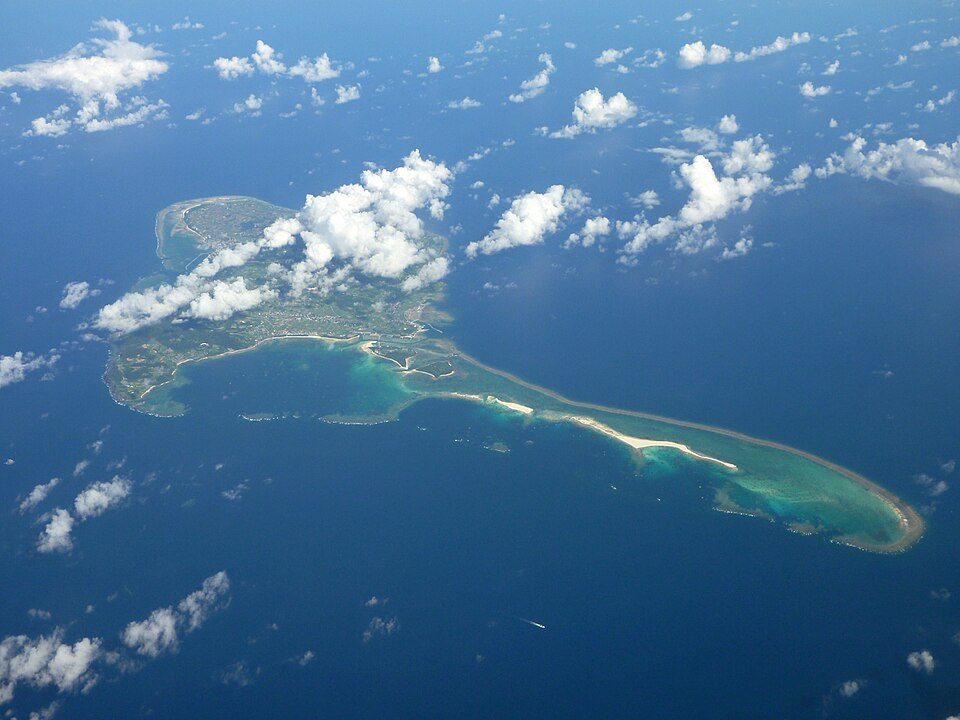
Connecting Kumejima: A Submarine Cable Lifeline
Kumejima, a serene town in Okinawa Prefecture, Japan, is a place of quiet beauty and modest size. Located approximately 100 kilometers west of Naha, the town spans several islands, though only Kumejima and Ōjima are populated. Despite its small population of just over 7,000 residents, Kumejima plays an important role in regional connectivity through its single submarine cable landing point.The Okinawa Remote Islands Cable
Kumejima hosts one submarine cable: the Okinawa Remote Islands cable, which has been operational since 2017. This 915-kilometer cable is a domestic network that connects Kumejima to eight other landing points across Okinawa's remote islands, including Aguni, Ama, Hateruma, Tarama, and Yonaguni. The cable does not extend internationally, instead serving as a key link within Japan's extensive domestic submarine cable system. The Okinawa Remote Islands cable is part of a broader effort to stitch together the scattered islands of Okinawa Prefecture, ensuring reliable communication and data transfer across the region. For Kumejima, this cable is essential for maintaining connections to the outside world, supporting local businesses, schools, and government services.Regional Context: A Modest Role in Japan's Cable Network
Japan is a global leader in submarine cable infrastructure, with 51 cables landing at 68 points across the country. While major landing points like Shima (12 cables) and Maruyama (9 cables) serve as hubs for international and domestic connectivity, Kumejima's single cable reflects its more localized role. Among Japan's landing points, Kumejima ranks in the top 68% by cable count, underscoring its importance within the Okinawa region rather than on a national or international scale. Nearby Naha, with four cables, serves as a more prominent node in Okinawa's connectivity network. However, Kumejima's inclusion in the Okinawa Remote Islands cable chain ensures it remains connected to this regional hub, providing a pathway to larger domestic and international networks.Latency Insights: Reliable but Remote
GeoCables' latency measurements offer a unique perspective on Kumejima's connectivity. With 47 completed checks from 10 source cities, the average round-trip latency to Kumejima is 275 milliseconds, though the best observed latency is a swift 79 milliseconds. These figures reflect the cable's role in linking a remote island to the broader network, balancing distance with reliability.A Gateway for Island Life
Kumejima's connectivity via the Okinawa Remote Islands cable is more than just a technical achievement-it is a lifeline for the community. The cable supports everyday activities, from enabling residents to stay connected with family members on other islands to facilitating local businesses that rely on digital communication. Schools and government services also depend on the cable for access to information and resources. Though modest in scale compared to Japan's larger landing points, Kumejima's role in the Okinawa Remote Islands cable chain highlights the importance of regional connectivity in a country defined by its islands. For Kumejima, this single cable ensures that even a small, remote town remains a part of Japan's interconnected future.What next: Kumejima, Japan in the global directory of cable landing points; see surrounding routes on the interactive submarine cable map or follow live network monitoring.
Other Landing Points in Japan
JP Aguni, Japan
26.5872°N 127.2290°E
JP Ajigaura, Japan
36.3836°N 140.6123°E
JP Akita, Japan
39.7167°N 140.1167°E
JP Ama, Japan
26.2310°N 127.2923°E
JP Aogashima, Japan
32.4572°N 139.7656°E
JP Awashimaura, Japan
38.4646°N 139.2528°E
JP Chichijima, Japan
27.0665°N 142.2041°E
JP Chikura, Japan
34.9767°N 139.9547°E
JP Emi, Japan
35.0624°N 140.0611°E
JP Fukuoka, Japan
33.5904°N 130.4017°E
JP Gusukube, Japan
24.7515°N 125.3873°E
JP Hachijo, Japan
33.1123°N 139.7968°E
Landing Point
- CountryJP Japan
- Coordinates26.3531°N 126.7753°E
- Connected Cables1
See Real Cable Routes
View actual submarine cable routing from Kumejima, Japan - with backbone nodes, distance calculations, and latency estimates
Open Calculator →
Submarine cables
Land fiber
Live probes