Itoshima, Japan
Landing Point · JP Japan
1
Connected Cables
JP
Country
33.60°
Latitude
130.15°
Longitude
Ctrl + Scroll to zoom
Connected Cables
| Cable | Status |
|---|---|
| E2A | Planned |
Live Performance
35
measurements
11
probes
127
days monitored
263.8
ms avg RTT
0
anomalies
RTT measurements to this landing point from 2026-03-24 through 2026-07-30 - live ICMP round-trip time via our monitoring probes. Recomputed daily. ✓ No anomalies detected in the monitored period.
Measurement sources
| Probe | Location | Samples | Avg |
|---|---|---|---|
| own probe | Almaty KZ | 6 | 303.5 ms |
| own probe | Moscow RU | 5 | 256.5 ms |
| own probe | Minsk BY | 4 | 294.8 ms |
| own probe | Tbilisi GE | 4 | 285.5 ms |
| own probe | Jerusalem IL | 4 | 295.0 ms |
| #6410 own probe | Sao Paulo BR | 3 | 261.4 ms |
| #6487 | control probe | 3 | 79.5 ms |
| #7062 own probe | Cape Town ZA | 3 | 415.7 ms |
| #1013142 | control probe | 1 | 39.0 ms |
| own probe | Sevastopol UA | 1 | 292.1 ms |
| #1015744 | control probe | 1 | 28.0 ms |
About Itoshima, Japan
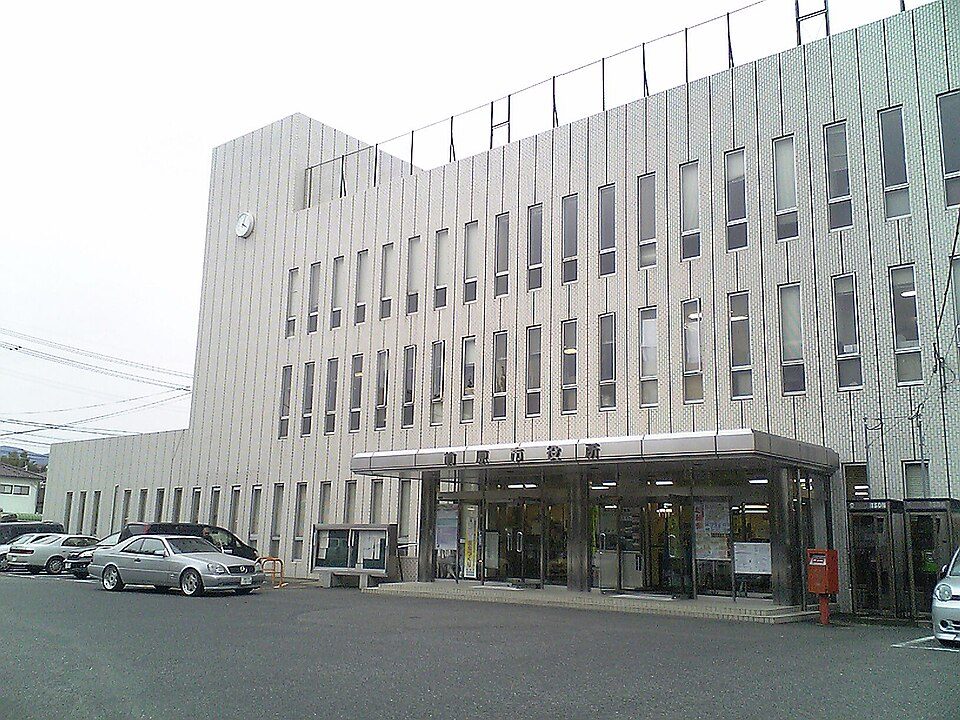
Itoshima: A Singular Connection to the World
Itoshima, a city nestled in western Fukuoka Prefecture, Japan, is home to a single submarine cable landing point that connects it to the global digital landscape. Despite hosting only one cable, Itoshima plays a role in a broader network that spans continents and links major economies. This landing point is where the E2A cable, set to be ready for service in 2029, meets the Japanese coastline.The E2A Cable: A Global Link
The E2A cable is a 12,500-kilometer international submarine cable connecting Japan to South Korea, Taiwan, and the United States. Itoshima is one of six landing points for this cable, alongside Busan in South Korea, Toucheng in Taiwan, Morro Bay in the United States, and two other Japanese locations: Maruyama and Tomakomai. While Maruyama, a peer landing point, hosts nine cables, Itoshima stands out for its singular focus on the E2A cable-a testament to the strategic importance of this connection. The E2A cable positions Itoshima as a gateway to both regional and trans-Pacific connectivity. It links Japan's domestic network to international hubs, facilitating data flows that underpin commerce, communication, and innovation.Regional Context: A Modest Player in a Dense Network
Japan is a global leader in submarine cable infrastructure, with 51 cables landing across 68 points nationwide. Itoshima ranks in the top 68% of these landing points by cable count, hosting just one cable compared to Shima's 12 or Maruyama's 9. This modest presence underscores the concentrated nature of Japan's cable infrastructure, where major hubs dominate the landscape. However, Itoshima's single cable is far from insignificant. The E2A cable's international reach ensures that this landing point contributes to the seamless flow of data between Japan and the rest of the world. Itoshima's role may be smaller in scale, but it is integral to the larger network.Latency Insights: Measuring Performance
GeoCables' proprietary latency measurements offer a unique perspective on Itoshima's connectivity. With 28 completed checks from nine source cities, the average round-trip latency to this landing point is 279 milliseconds, with the best observed latency at 79 milliseconds. These figures highlight the efficiency of the E2A cable and its ability to deliver reliable performance across vast distances.Itoshima: A City Beyond Connectivity
Beyond its role in submarine cable infrastructure, Itoshima is a vibrant city with a population of over 100,000 residents. Known for its scenic coastline and proximity to Fukuoka, the city balances natural beauty with urban convenience. While its cable landing point may not rival the scale of Japan's larger hubs, Itoshima's connection through the E2A cable ensures that it remains part of the global digital ecosystem.Conclusion
Itoshima's single submarine cable landing point may seem modest compared to Japan's larger hubs, but its connection through the E2A cable places the city on the map of international connectivity. As the cable becomes operational in 2029, Itoshima will continue to serve as a key link in a network that spans continents, supporting the digital needs of both local residents and global enterprises.What next: Itoshima, Japan in the global directory of cable landing points; see surrounding routes on the interactive submarine cable map or follow live network monitoring.
Other Landing Points in Japan
JP Aguni, Japan
26.5872°N 127.2290°E
JP Ajigaura, Japan
36.3836°N 140.6123°E
JP Akita, Japan
39.7167°N 140.1167°E
JP Ama, Japan
26.2310°N 127.2923°E
JP Aogashima, Japan
32.4572°N 139.7656°E
JP Awashimaura, Japan
38.4646°N 139.2528°E
JP Chichijima, Japan
27.0665°N 142.2041°E
JP Chikura, Japan
34.9767°N 139.9547°E
JP Emi, Japan
35.0624°N 140.0611°E
JP Fukuoka, Japan
33.5904°N 130.4017°E
JP Gusukube, Japan
24.7515°N 125.3873°E
JP Hachijo, Japan
33.1123°N 139.7968°E
Landing Point
- CountryJP Japan
- Coordinates33.5975°N 130.1505°E
- Connected Cables1
See Real Cable Routes
View actual submarine cable routing from Itoshima, Japan - with backbone nodes, distance calculations, and latency estimates
Open Calculator →
Submarine cables
Land fiber
Live probes