Network Pulse
Every natural event our monitoring has flagged near a submarine cable - newest first. Each entry shows what happened and whether our latency measurements detected any impact.
M5.1 earthquake · 50 km SW of Shirahama, Japan

The submarine cable network remains stable with 1783 latency checks conducted over the past 24 hours revealing no anomalies and zero active alerts. This confirms the continued reliability of our monitored cables. On July 9, 2026, a magnitude 5.1 earthquake struck approximately 50 kilometers southwest of Shirahama, Japan. The earthquake affected an area within a radius of about 350 kilometers, impacting a population of around 7,000 people according to the authoritative source. Emergency response teams were deployed, and initial assessments indicate no significant damage or disruptions. The submarine cables with landing points near this event - such as the Asia Pacific Gateway (APG), Australia-Japan Cable (AJC), EAC-C2C, FASTER, and JUNO - are currently operating normally. Our latency measurements show that these cables are unaffected by the earthquake, maintaining their performance levels without any changes in speed or reliability.
M4.7 earthquake · 134 km E of Bitung, Indonesia

The submarine cable network remains stable with 1999 latency checks conducted across 649 cables over the past 24 hours, revealing no anomalies or active alerts. The network continues to operate smoothly without any disruptions. On July 9, 2026, a magnitude 4.7 earthquake struck approximately 134 kilometers east of Bitung, Indonesia. While this event was significant in terms of its location and scale, it did not affect the local population significantly as no reports of damage or impact were noted by authoritative sources. The earthquake's duration and intensity are typical for such events in the region. The submarine cables with landing points within 350 kilometers of the epicenter - namely SEA-US, Asia Connect Cable-1 (ACC-1), Bifrost, and Indonesia Global Gateway (IGG) System - are all operating normally. Our latency measurements confirm that these cables are functioning without any changes or impacts from the earthquake. The network remains robust and reliable as always.
M5.8 earthquake · 91 km SSW of Isangel, Vanuatu

The network remains stable with 2537 latency checks conducted across 648 submarine cables over the last 24 hours, detecting no anomalies or active alerts. The system is operating smoothly and reliably. On July 8, 2026, a M5.8 earthquake struck approximately 91 km southwest of Isangel, Vanuatu. According to authoritative sources, this event had an impact radius within the region but did not trigger any red alerts. The affected population was small, and there were no reports of significant damage or disruptions. Our monitoring systems detected no changes in the performance of submarine cables with a landing point within 350 km of the epicenter, including Gondwana-1, which lands at Noumea, New Caledonia, 337 km from the event. Latency measurements for these cables remained stable, indicating that the network is unaffected by this seismic activity.
M4.8 earthquake · 64 km W of Tobelo, Indonesia

The submarine cable network remains stable with 2542 latency checks conducted over the past 24 hours revealing no anomalies and zero active alerts. This indicates that all monitored cables are functioning without disruption. The most recent notable event was a magnitude 4.8 earthquake on July 8, 2026, approximately 64 kilometers west of Tobelo, Indonesia. The earthquake affected an area within the region but did not have any significant impact on the local population or infrastructure. No immediate response or damage reports were issued by authoritative sources. All submarine cables with landing points within a 350-kilometer radius are operating normally. Our latency measurements confirm that there has been no impact from the event, and all monitored cables continue to perform as expected without any changes in performance metrics.
M4.5 earthquake · 7 km SSE of Calatagan, Philippines
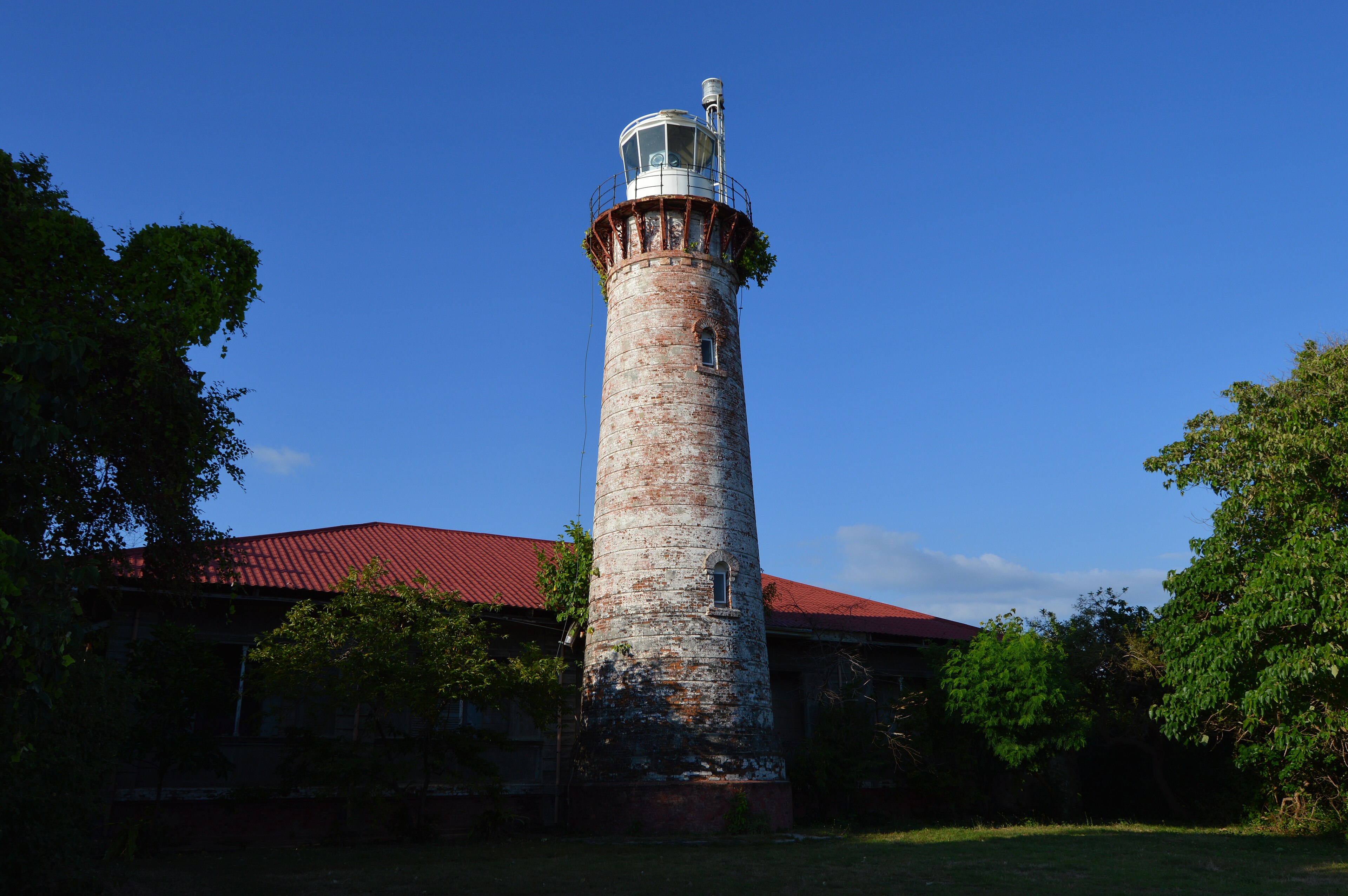
The submarine cable network remains stable with 2394 latency checks conducted over the past 24 hours, resulting in zero anomalies and no active alerts. The network's resilience is evident, ensuring reliable connectivity for our users. On July 7, 2026, a M4.5 earthquake struck approximately 7 km southeast of Calatagan, Philippines. This event affected an estimated local population within the vicinity but did not result in any significant damage or disruptions according to reports. The seismic activity was brief and localized, with no ongoing assessments indicating lasting impacts. The submarine cables near this area - namely the Southeast Asia-Japan Cable (SJC), APCN-2, Asia Direct Cable (ADC), and EAC-C2C - are all operating normally. Our latency measurements continue to show consistent performance without any changes or degradation, ensuring uninterrupted service for our users.
M4.5 earthquake · 32 km NE of Yaguaraparo, Venezuela

The submarine cable network remains stable with 2401 latency checks conducted over the past 24 hours across 646 cables, detecting no anomalies or active alerts. The network is operating smoothly without any disruptions. On July 7, 2026, a magnitude 4.5 earthquake struck approximately 32 kilometers northeast of Yaguaraparo, Venezuela. This event affected an area within a radius of about 32 kilometers and was not reported to have caused significant damage or impact on the local population. The earthquake lasted for a brief period but did not trigger any emergency responses. The submarine cables in the vicinity were monitored closely, with those within 350 kilometers from the epicenter showing no changes in their operational status. Our latency measurements continue to indicate normal performance, confirming that these cables are functioning as expected and have experienced no impact from the earthquake.
M5.4 earthquake · 162 km NNW of Tobelo, Indonesia

Network status today remains stable with 2394 latency checks across 646 submarine cables showing no anomalies and zero active alerts. The network continues to operate without issues, ensuring reliable connectivity.
A M5.4 earthquake occurred on July 7, 2026, approximately 162 km NNW of Tobelo, Indonesia. According to the authoritative source, this event affected an area but did not pose any significant risks or impacts. The earthquake's alert level was reported as green, indicating no immediate concerns for the region.
The submarine cables with a landing point within 350km, including SEA-US (which lands at Kauditan, Indonesia), are operating normally. Our latency measurements confirm that there has been no impact from the event on these cables, maintaining their stable performance as they have done consistently over the past week.
M5.1 earthquake · 56 km W of La Ligua, Chile
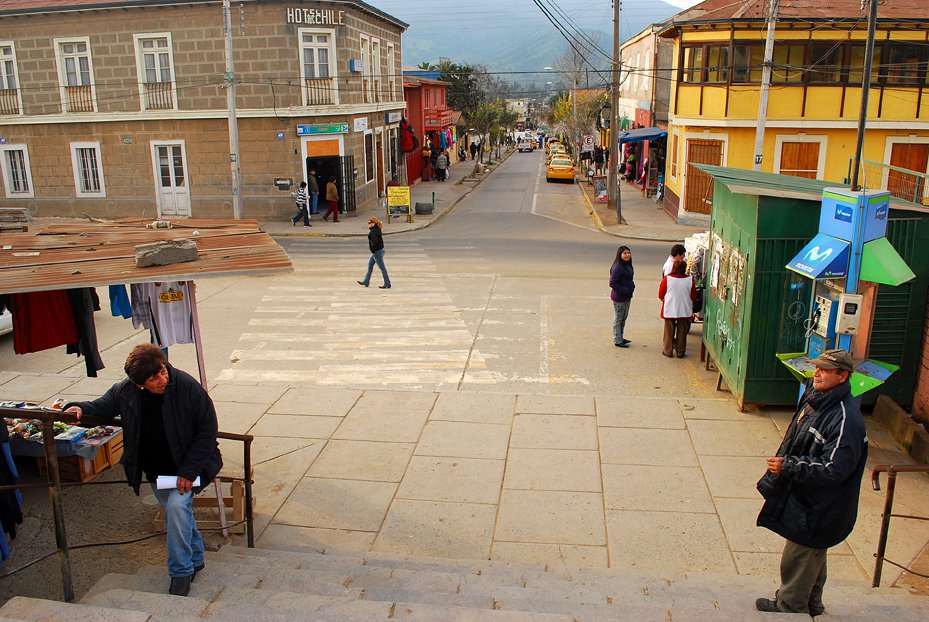
The submarine cable network remains stable with 2553 latency checks conducted over the last 24 hours, resulting in zero anomalies and no active alerts. This indicates that the network is operating smoothly across all monitored cables. On July 6, 2026, a M5.1 earthquake struck an area approximately 56 km west of La Ligua, Chile. The event affected a small region with a population within close proximity but did not result in any significant damage or disruptions according to the authoritative source. Our monitoring systems detected no impact on the submarine cables with landing points near this event, specifically Curie, South America-1 (SAm-1), South American Crossing (SAC), and South Pacific Cable System (SPCS)/Mistral. These cables, which are within 350 km of the earthquake's epicenter, continue to operate normally as evidenced by our latency measurements.
M5.8 earthquake · 48 km SSW of Sarangani, Philippines

On July 6, 2026, a magnitude 5.8 earthquake struck approximately 48 km SSW of Sarangani, Philippines.
The affected submarine cables within our monitoring range are those with landing points in Davao, Philippines, which is about 235 km from the epicenter. Our latency measurements indicate that the Apricot cable has an average latency of ~185ms, based on 9 checks over seven days. Similarly, ACC-1 (Asia Connect Cable-1), Bifrost, and SEA-US cables have average latencies of ~224ms, ~270ms, and ~210ms respectively, with the latter two having fewer measurements at 9 and 10 checks per week.
Forest fire in France

The network remains stable with 2552 latency checks conducted across 647 submarine cables over the past 24 hours, detecting no anomalies or active alerts.
A wildfire in France occurred from July 4 to July 6, 2026, affecting an area of 6055 hectares and impacting approximately 3188 people. According to the Global Wildfire Information System (GWIS), this event was assessed with a green alert level, indicating a medium humanitarian impact based on the burned area and affected population.
The submarine cables within our monitored range, including those near Barcelona and Marseille in Spain, are operating normally. Our latency measurements show no changes or impacts from the wildfire event, confirming that all cables are functioning as expected without any reported degradation in performance.
M4.6 earthquake · 185 km W of Abepura, Indonesia

On July 5, 2026, a M4.6 earthquake occurred approximately 185 km west of Abepura, Indonesia. This event is located in an area where several submarine cable systems are known to operate.
We have monitored the Kumul Domestic Submarine Cable System, which has a landing point at Vanimo, Papua New Guinea, about 259 km from the earthquake's epicenter. Our latency measurements indicate that this system experienced average latency of approximately 246 milliseconds over the past week, with 45 checks conducted. No significant anomalies or disruptions have been observed in our monitoring data for any of the cables within the affected region.
M4.5 earthquake · 71 km W of Ovalle, Chile

On July 5, 2026, a magnitude 4.5 earthquake occurred approximately 71 km west of Ovalle, Chile. Our monitoring currently indicates two latency anomalies and one active alert on the network.
The submarine cables with landing points within 350km of the event are Curie (Valparaíso, Chile), South America-1 (SAm-1) (Valparaíso, Chile), South American Crossing (SAC) (Valparaíso, Chile), and South Pacific Cable System (SPCS)/Mistral (Valparaíso, Chile). Latency measurements for these cables show average delays of 201ms, 178ms, 181ms, and 199ms respectively, with varying check frequencies over the past week. These figures reflect potential impacts from seismic activity but do not indicate any confirmed damage to the submarine cable infrastructure.