Itoman, Japan
Landing Point · JP Japan
Connected Cables
| Cable | Status |
|---|---|
| Minamidaito Island | Active |
| Okinawa Remote Islands | Active |
Live Performance
RTT measurements to this landing point from 2026-03-22 through 2026-09-23 - live ICMP round-trip time via our monitoring probes. Recomputed daily. ✓ No anomalies detected in the monitored period.
Measurement sources
| Probe | Location | Samples | Avg |
|---|---|---|---|
| own probe | Almaty KZ | 6 | 281.8 ms |
| own probe | Minsk BY | 4 | 301.3 ms |
| own probe | Tbilisi GE | 4 | 320.9 ms |
| own probe | Jerusalem IL | 4 | 287.1 ms |
| own probe | Moscow RU | 3 | 245.1 ms |
| #6410 own probe | Sao Paulo BR | 2 | 289.7 ms |
| #6427 own probe | Sydney AU | 2 | 188.8 ms |
| own probe | Sevastopol UA | 2 | 303.3 ms |
| #7062 own probe | Cape Town ZA | 1 | 358.5 ms |
| #60306 | control probe | 1 | 34.8 ms |
| #65655 | control probe | 1 | 39.6 ms |
| #1013597 | control probe | 1 | 37.3 ms |
About Itoman, Japan
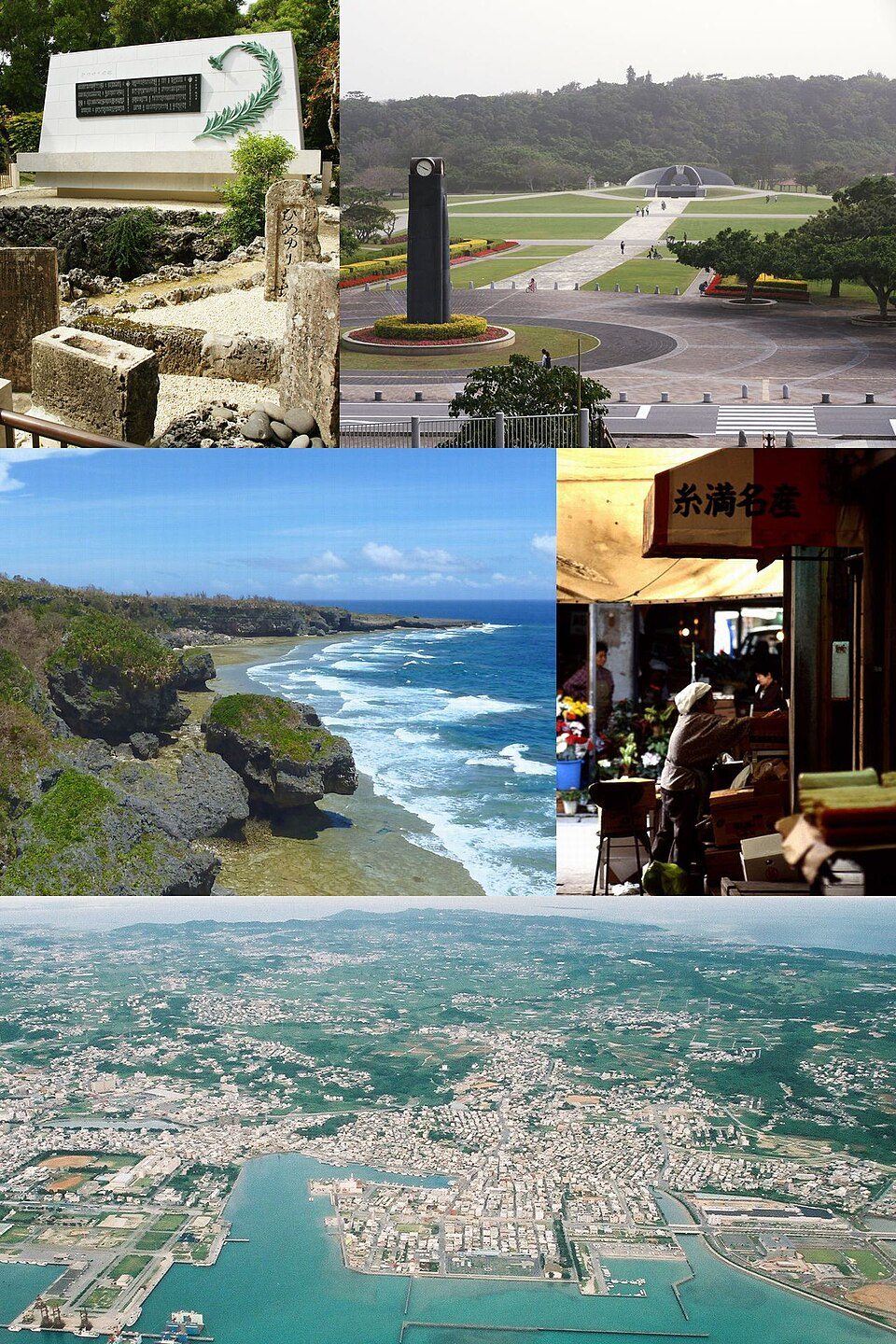
Itoman, Japan: Submarine Cable Landing Point
Itoman is a city situated at the southern tip of Okinawa Island, within Okinawa Prefecture, Japan. Its coastal position at the edge of one of Japan's most distinctive island chains makes it a natural termination point for submarine cable systems serving the region. Two submarine cables land at Itoman, connecting it to other parts of the Japanese archipelago through dedicated intra-national links.
Both cables landing at Itoman are domestic Japanese systems, meaning this landing point functions as a node within Japan's inter-island submarine cable network rather than as an intercontinental gateway. The two cables - Okinawa Remote Islands and Minamidaito Island - collectively extend connectivity from Itoman to outlying island communities in the Okinawa region, forming an important segment of Japan's intra-archipelago cable infrastructure.
Cables Landing at Itoman
Okinawa Remote Islands is a domestic submarine cable system with a length of 915 km, which entered service in 2017. The cable connects landing points exclusively within Japan, serving the remote island communities of the Okinawa region. Its considerable length reflects the dispersed geography of the islands it links, spanning a substantial portion of the southwestern Japanese archipelago.
Minamidaito Island is a domestic submarine cable with a length of 410 km, which entered service in 2011. Like the Okinawa Remote Islands cable, it connects points entirely within Japan, providing a dedicated submarine link to Minamidaito Island - one of the more isolated island communities in the Okinawa Prefecture area. Itoman serves as one of its landing points, anchoring the cable at the southern end of Okinawa Island.
Regional Context
Within Japan's network of 68 submarine cable landing points, Itoman hosts 2 cables, placing it in the upper 90 percent of landing points by cable count across the country. Major Japanese landing hubs such as Shima (12 cables), Maruyama (9 cables), and Chikura (8 cables) handle considerably higher cable volumes, and even nearby Naha - also in Okinawa Prefecture - hosts 4 cables. Itoman's role is more specialized, focused on serving the island connectivity needs specific to its geographic position at the southern tip of Okinawa Island.
Network Role
Itoman functions as a focused inter-island hub within Japan's domestic submarine cable graph. With two cables - both entirely intra-national and oriented toward connecting remote Okinawan islands - this landing point enables telecommunications links between the southern Okinawa mainland and scattered island communities that depend on submarine systems for connectivity. Rather than acting as a multi-cable international terminal, Itoman plays a defined regional role within the southwestern arc of the Japanese archipelago.
In the broader context of Japan's 51-cable submarine network, Itoman represents the type of specialized domestic landing point that ensures smaller, geographically dispersed island communities remain connected to the national network - a function distinct from, but complementary to, the high-capacity intercontinental hubs found elsewhere in Japan.
What next: Itoman, Japan in the global directory of cable landing points; see surrounding routes on the interactive submarine cable map or follow live network monitoring.
Other Landing Points in Japan
FAQ
Landing Point
- CountryJP Japan
- Coordinates26.1149°N 127.6881°E
- Connected Cables2
See Real Cable Routes
View actual submarine cable routing from Itoman, Japan - with backbone nodes, distance calculations, and latency estimates
Open Calculator →