Ishikari, Japan
Landing Point · JP Japan
2
Connected Cables
JP
Country
43.17°
Latitude
141.32°
Longitude
Ctrl + Scroll to zoom
Connected Cables
| Cable | Status |
|---|---|
| Hokkaido-Sakhalin Cable System (HSCS) | Active |
| Japan Information Highway (JIH) | Active |
Live Performance
98
measurements
14
probes
205
days monitored
147.3
ms avg RTT
0
anomalies
RTT measurements to this landing point from 2026-03-09 through 2026-10-01 - live ICMP round-trip time via our monitoring probes. Recomputed daily. ✓ No anomalies detected in the monitored period.
Measurement sources
| Probe | Location | Samples | Avg |
|---|---|---|---|
| #1014289 | control probe | 44 | 21.4 ms |
| own probe | Almaty KZ | 10 | 287.3 ms |
| own probe | Moscow RU | 8 | 248.5 ms |
| #6410 own probe | Sao Paulo BR | 6 | 280.9 ms |
| #7062 own probe | Cape Town ZA | 6 | 392.8 ms |
| own probe | Minsk BY | 4 | 317.9 ms |
| own probe | Tbilisi GE | 4 | 288.7 ms |
| own probe | Jerusalem IL | 4 | 295.5 ms |
| #1015956 | control probe | 4 | 26.4 ms |
| #1015950 | control probe | 3 | 26.5 ms |
| #6487 | control probe | 2 | 80.2 ms |
| own probe | Sevastopol UA | 1 | 320.3 ms |
| own probe | Rostov RU | 1 | 299.2 ms |
| #1017985 | control probe | 1 | 15.7 ms |
About Ishikari, Japan
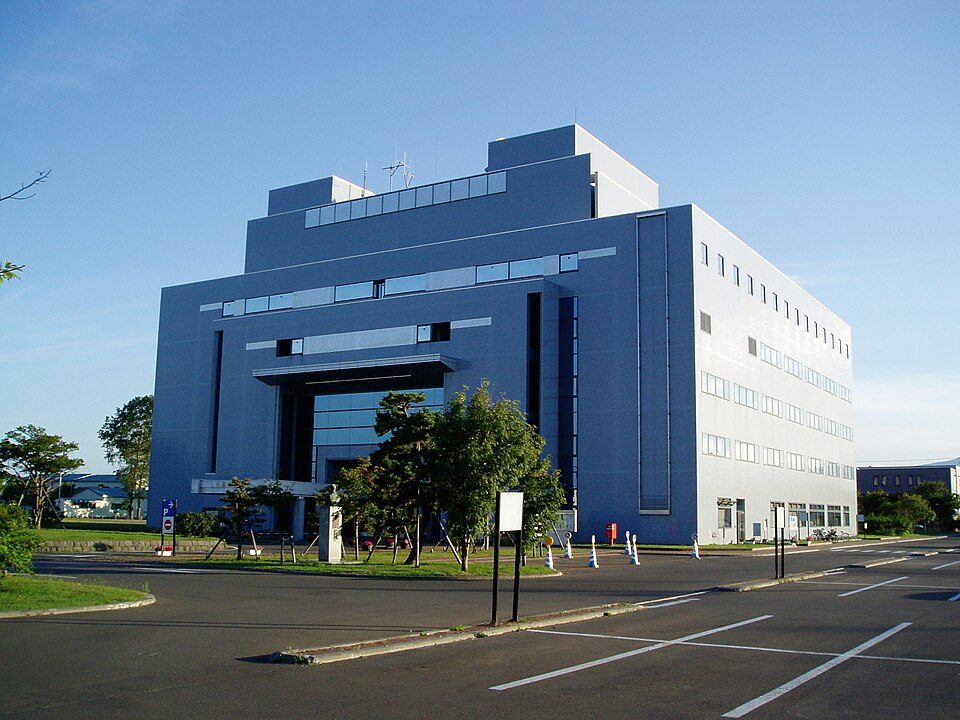
Ishikari: A Gateway to Northern Japan and Beyond
Ishikari, located on the northern island of Hokkaido, Japan, is a modest yet strategically significant submarine cable landing point. Hosting two cables, it stands out for its role in connecting Japan’s northernmost regions to both the rest of the country and neighboring Russia. While it may not rival the cable density of hubs like Shima or Chikura, Ishikari’s position in Japan’s telecommunications network is unique.Two Cables, Two Stories
The first cable landing here, the Japan Information Highway (JIH), has been operational since 1999. Spanning 5150 km, this domestic cable is part of a chain linking Ishikari with eight other landing points across Japan, including Akita, Sendai, and Naha. This extensive network stitches together Japan’s islands, ensuring reliable connectivity for Hokkaido’s industries and communities. Though Ishikari is one of the smaller nodes in this chain, the JIH enables seamless integration with Japan’s broader telecommunications infrastructure. The second cable, the Hokkaido-Sakhalin Cable System (HSCS), launched in 2008, is shorter at 570 km but internationally significant. It connects Ishikari to Nevelsk, Russia, making it one of the few direct links between Japan and its northern neighbor. This cable facilitates cross-border communication and data transfer, underscoring Ishikari’s role as a bridge between Japan and Russia.Positioning Ishikari in Japan’s Cable Landscape
Japan is home to 51 submarine cables spread across 68 landing points, with hubs like Shima hosting as many as 12 cables. Ishikari, with its two cables, ranks in the top 90% of landing points by cable count. While it may not match the scale of larger hubs, its unique connection to Russia via the HSCS sets it apart. In contrast to densely connected points such as Maruyama or Chikura, Ishikari serves a more specialized role, linking Hokkaido to both domestic and international networks.Connectivity and Performance
GeoCables’ latency measurements highlight Ishikari’s performance as a landing point. Across 71 completed checks from 10 source cities, the average round-trip latency is 127 ms, with the best observed latency at an impressive 20 ms. These figures demonstrate the efficiency of Ishikari’s connections, ensuring fast and reliable data transfer for users in Hokkaido and beyond.A Regional Anchor
While Ishikari may not be a major hub, its connectivity is essential for Hokkaido’s integration into Japan’s digital economy. The JIH cable ensures robust domestic links, while the HSCS cable provides a rare international connection to Russia. Together, these cables support industries, research, and communication in one of Japan’s northernmost regions, making Ishikari a quiet but important player in the country’s submarine cable network.What next: Ishikari, Japan in the global directory of cable landing points; see surrounding routes on the interactive submarine cable map or follow live network monitoring.
Other Landing Points in Japan
JP Aguni, Japan
26.5872°N 127.2290°E
JP Ajigaura, Japan
36.3836°N 140.6123°E
JP Akita, Japan
39.7167°N 140.1167°E
JP Ama, Japan
26.2310°N 127.2923°E
JP Aogashima, Japan
32.4572°N 139.7656°E
JP Awashimaura, Japan
38.4646°N 139.2528°E
JP Chichijima, Japan
27.0665°N 142.2041°E
JP Chikura, Japan
34.9767°N 139.9547°E
JP Emi, Japan
35.0624°N 140.0611°E
JP Fukuoka, Japan
33.5904°N 130.4017°E
JP Gusukube, Japan
24.7515°N 125.3873°E
JP Hachijo, Japan
33.1123°N 139.7968°E
Landing Point
- CountryJP Japan
- Coordinates43.1712°N 141.3154°E
- Connected Cables2
See Real Cable Routes
View actual submarine cable routing from Ishikari, Japan - with backbone nodes, distance calculations, and latency estimates
Open Calculator →
Submarine cables
Land fiber
Live probes