Bogense, Denmark
Landing Point · DK Denmark
1
Connected Cables
DK
Country
55.57°
Latitude
10.09°
Longitude
Ctrl + Scroll to zoom
Connected Cables
| Cable | Status |
|---|---|
| GlobalConnect 6 (GC6) | Active |
Live Performance
52
measurements
11
probes
166
days monitored
105.4
ms avg RTT
0
anomalies
RTT measurements to this landing point from 2026-03-22 through 2026-09-04 - live ICMP round-trip time via our monitoring probes. Recomputed daily. ✓ No anomalies detected in the monitored period.
Measurement sources
| Probe | Location | Samples | Avg |
|---|---|---|---|
| own probe | Minsk BY | 11 | 92.8 ms |
| own probe | Tbilisi GE | 6 | 59.7 ms |
| own probe | Jerusalem IL | 6 | 84.7 ms |
| own probe | Moscow RU | 6 | 49.4 ms |
| #6410 own probe | Sao Paulo BR | 5 | 202.4 ms |
| #6427 own probe | Sydney AU | 5 | 273.2 ms |
| own probe | Almaty KZ | 5 | 97.4 ms |
| own probe | Saint Petersburg RU | 3 | 62.9 ms |
| own probe | Kyiv UA | 3 | 41.9 ms |
| own probe | Sevastopol UA | 1 | 68.8 ms |
| own probe | Odessa UA | 1 | 48.8 ms |
About Bogense, Denmark
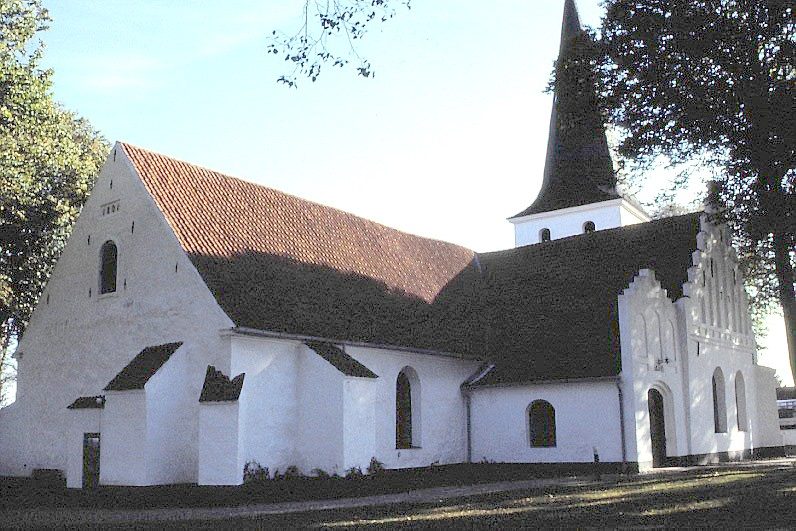
Connectivity in Bogense: A Modest Yet Strategic Link
Bogense, a picturesque town on the island of Funen in central Denmark, is more than just a summer tourist destination with its charming half-timbered houses and bustling marina. It is also a small but significant node in Denmark's submarine cable network, hosting the landing point for the GlobalConnect 6 (GC6) cable. While Bogense's role in national connectivity may seem modest compared to Denmark's busier landing points, its position in the network tells an interesting story.The GlobalConnect 6 Cable: Stitching Funen Together
The GC6 cable, operational since 2019, connects Bogense to Juelsminde, another landing point on the eastern coast of Jutland. Unlike international cables that link Denmark to other countries, GC6 is a domestic cable, designed to strengthen regional connectivity within Denmark. Bogense's role in this chain is to ensure that Funen remains seamlessly connected to the mainland, supporting local data traffic and bridging the gap between smaller communities and larger hubs. This domestic focus contrasts sharply with larger landing points like Blaabjerg and Gedser, which host multiple cables and serve as gateways for international connectivity. Bogense, with just one cable, may not be a hub for global data exchange, but its inclusion in the GC6 chain ensures that Funen's towns and industries stay connected to Denmark's broader network.Latency: A Reliable Connection
GeoCables' own latency measurements highlight the reliability of Bogense's connectivity. With an average round-trip latency of 98 milliseconds and a best-observed latency of 37 milliseconds, the GC6 cable provides a dependable link for local users. This performance ensures that businesses, residents, and even tourists in Bogense can access digital services without interruption, whether they're uploading files, streaming content, or staying connected to the wider world.Positioning Bogense in Denmark's Cable Landscape
Denmark is home to 30 submarine cables spread across 34 landing points, making it one of the most connected countries in Europe. Bogense ranks in the top 74% of these landing points by cable count, hosting just one cable compared to busier peers like Blaabjerg (5 cables) and Gedser (4 cables). Despite this, Bogense's role remains essential in maintaining regional connectivity, particularly for Funen. The GC6 cable's presence underscores the importance of domestic links in a country where international cables often dominate the conversation. By connecting Bogense to Juelsminde, the cable ensures that smaller towns like Bogense are not left behind in Denmark's digital infrastructure.A Town Beyond Connectivity
While Bogense's role in Denmark's cable network is notable, the town itself offers much more. Its narrow streets and marina make it a popular summer destination, drawing visitors from across Denmark and beyond. Local buses connect Bogense to larger cities like Odense and Middelfart, ensuring that residents and tourists alike can travel easily. This blend of traditional charm and modern connectivity makes Bogense a unique spot on Denmark's map-both as a place to visit and as a link in the nation's digital chain.What next: Bogense, Denmark in the global directory of cable landing points; see surrounding routes on the interactive submarine cable map or follow live network monitoring.
Other Landing Points in Denmark
DK Alsgarde, Denmark
56.0749°N 12.5369°E
DK Blaabjerg, Denmark
55.7517°N 8.3292°E
DK Brondby, Denmark
55.6472°N 12.4149°E
DK Dragor, Denmark
55.5935°N 12.6702°E
DK Endrup, Denmark
55.5231°N 8.7184°E
DK Esbjerg, Denmark
55.4652°N 8.4569°E
DK Fano, Denmark
55.4485°N 8.4069°E
DK Gedser, Denmark
54.5763°N 11.9290°E
DK Hanstholm, Denmark
57.1116°N 8.6162°E
DK Hasle, Denmark
55.1826°N 14.7082°E
DK Helsingør, Denmark
56.0304°N 12.5922°E
DK Hirtshals, Denmark
57.5882°N 9.9593°E
Landing Point
- CountryDK Denmark
- Coordinates55.5678°N 10.0914°E
- Connected Cables1
See Real Cable Routes
View actual submarine cable routing from Bogense, Denmark - with backbone nodes, distance calculations, and latency estimates
Open Calculator →
Submarine cables
Land fiber
Live probes