Hasle, Denmark
Landing Point · DK Denmark
Connected Cables
| Cable | Status |
|---|---|
| GlobalConnect Aurora | Planned |
Live Performance
RTT measurements to this landing point from 2026-05-15 through 2026-09-16 - live ICMP round-trip time via our monitoring probes. Recomputed daily. ✓ No anomalies detected in the monitored period.
Measurement sources
| Probe | Location | Samples | Avg |
|---|---|---|---|
| own probe | Minsk BY | 6 | 72.1 ms |
| #6427 own probe | Sydney AU | 4 | 277.9 ms |
| own probe | Saint Petersburg RU | 4 | 48.1 ms |
| #6410 own probe | Sao Paulo BR | 3 | 219.1 ms |
| own probe | Moscow RU | 3 | 43.5 ms |
| own probe | Kyiv UA | 3 | 40.8 ms |
| own probe | Tbilisi GE | 2 | 60.2 ms |
| own probe | Jerusalem IL | 2 | 95.4 ms |
| own probe | Almaty KZ | 1 | 90.8 ms |
About Hasle, Denmark
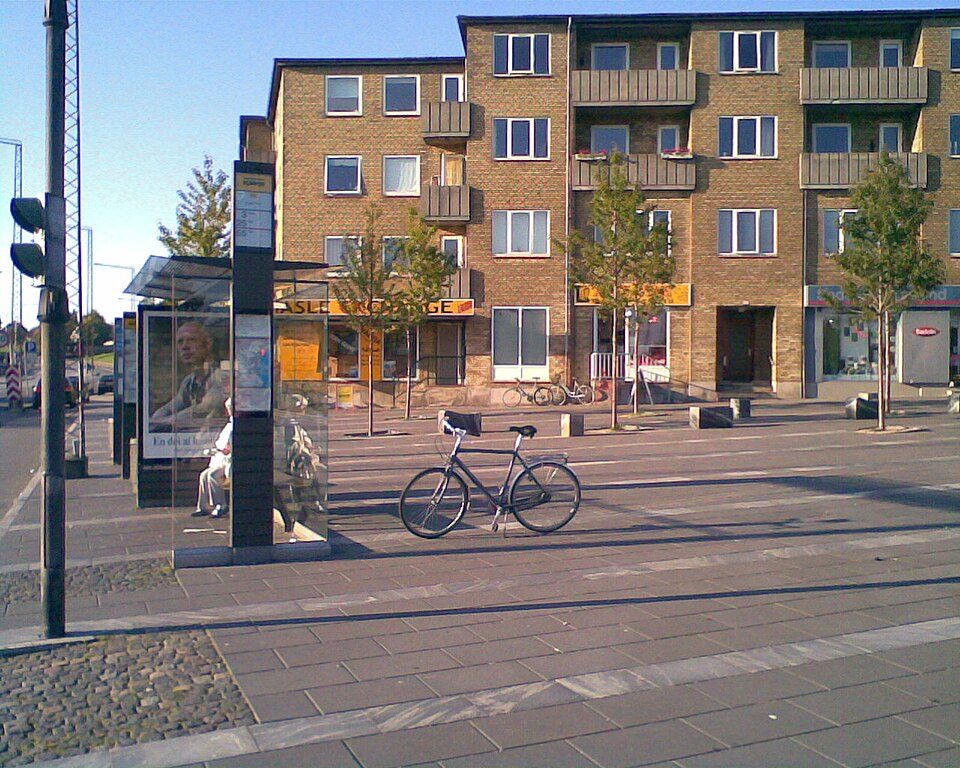
Hasle, Denmark: Submarine Cable Landing Point
Hasle is a neighbourhood situated approximately 3 kilometres north-west of Aarhus city centre in Denmark, forming part of the postal district Aarhus V. As a coastal location, Hasle serves as a landing point for submarine cable infrastructure connecting Denmark with neighbouring Baltic and North Sea nations. One submarine cable currently lands at Hasle, linking Denmark to Germany and Sweden within a regional corridor.
The single cable landing here, Aurora, reflects the broader pattern of Danish submarine cable infrastructure, which spans 23 cables across 30 landing points nationwide. Hasle's position within this network places it among the majority of Danish landing points that host one or two cables, serving as a focused node rather than a multi-cable hub. The Aurora cable connects countries within the southern Scandinavian and northern European region, enabling direct subsea data routing between Denmark, Germany, and Sweden.
Cables Landing at Hasle, Denmark
Aurora is a submarine cable with a length of 500 kilometres, reaching ready-for-service status in 2024. The cable carries a draft status and connects Denmark, Germany, and Sweden, forming a triangular regional network in the southern Baltic Sea area. In addition to Hasle, Denmark, the Aurora cable lands at points in both Germany and Sweden, establishing direct subsea links between three of the Baltic region's key economies.
Regional Context
Within Denmark's network of 30 submarine cable landing points, Hasle ranks in the top 77 percent by cable count, hosting one cable. Among its Danish peers, Gedser leads with three cables, while Blaabjerg, Brondby, Laeso, Lyngsa, and Rønne each host two cables. Hasle shares the single-cable profile that is common across many Danish landing points, reflecting the distributed character of Denmark's overall submarine cable geography.
Network Role
Hasle functions as a single-cable terminus within Denmark's submarine infrastructure, providing a direct subsea route between Denmark and its neighbours Germany and Sweden via the Aurora cable. The 500-kilometre Aurora system positions Hasle as a contributor to the regional Baltic connectivity corridor, linking three countries through a relatively compact cable deployment typical of the short-haul routes that characterise Danish submarine cable infrastructure, where the national average cable length stands at 370 kilometres.
As a one-cable landing point, Hasle does not operate as a multi-cable hub, but its inclusion in the Aurora network - which spans three countries - means that it plays a defined role in the southern Scandinavian and northern European subsea routing graph, offering a direct physical link between the Aarhus area and cable landings in both Germany and Sweden.
What next: Hasle, Denmark in the global directory of cable landing points; see surrounding routes on the interactive submarine cable map or follow live network monitoring.
Other Landing Points in Denmark
Landing Point
- CountryDK Denmark
- Coordinates55.1826°N 14.7082°E
- Connected Cables1
See Real Cable Routes
View actual submarine cable routing from Hasle, Denmark - with backbone nodes, distance calculations, and latency estimates
Open Calculator →