Zafarana, Egypt
Punto de amarre · EG Egypt
Cables conectados
| Cable | Estado |
|---|---|
| 2Africa | Activo |
| Asia Africa Europe-1 (AAE-1) | Activo |
| Europe India Gateway (EIG) | Activo |
| India Europe Xpress (IEX) | Activo |
| Middle East North Africa (MENA) Cable System/Gulf Bridge International | Planificado |
| Middle East North Africa (MENA) Cable System/Gulf Bridge International | Activo |
| PEACE Cable | Activo |
| Red2Med | Activo |
| SEACOM/Tata TGN-Eurasia | Activo |
| SeaMeWe-5 | Activo |
Rendimiento en vivo
Mediciones RTT a este punto de 2026-03-02 a 2026-09-06 - RTT ICMP en vivo mediante nuestras sondas. Recalculado diariamente. ✓ Sin anomalías detectadas en el período.
Fuentes de medición
| Sonda | Ubicación | Muestras | Prom. |
|---|---|---|---|
| #1014597 sonda propia | Tbilisi GE | 15 | 125.5 ms |
| #1014969 sonda propia | Jerusalem IL | 13 | 116.4 ms |
| #1014589 sonda propia | Almaty KZ | 10 | 185.0 ms |
| #1014473 sonda propia | Minsk BY | 9 | 127.5 ms |
| #6410 sonda propia | Sao Paulo BR | 6 | 251.7 ms |
| #6427 sonda propia | Sydney AU | 6 | 303.9 ms |
| #1015984 sonda propia | Balancer IL | 6 | 98.9 ms |
| #1015313 sonda propia | Sevastopol UA | 4 | 123.6 ms |
| #1015523 sonda propia | Moscow RU | 3 | 207.5 ms |
| #1033 | control probe | 1 | 294.2 ms |
| #4429 | control probe | 1 | 280.5 ms |
| #1015932 sonda propia | Odessa UA | 1 | 84.5 ms |
Acerca de Zafarana, Egypt
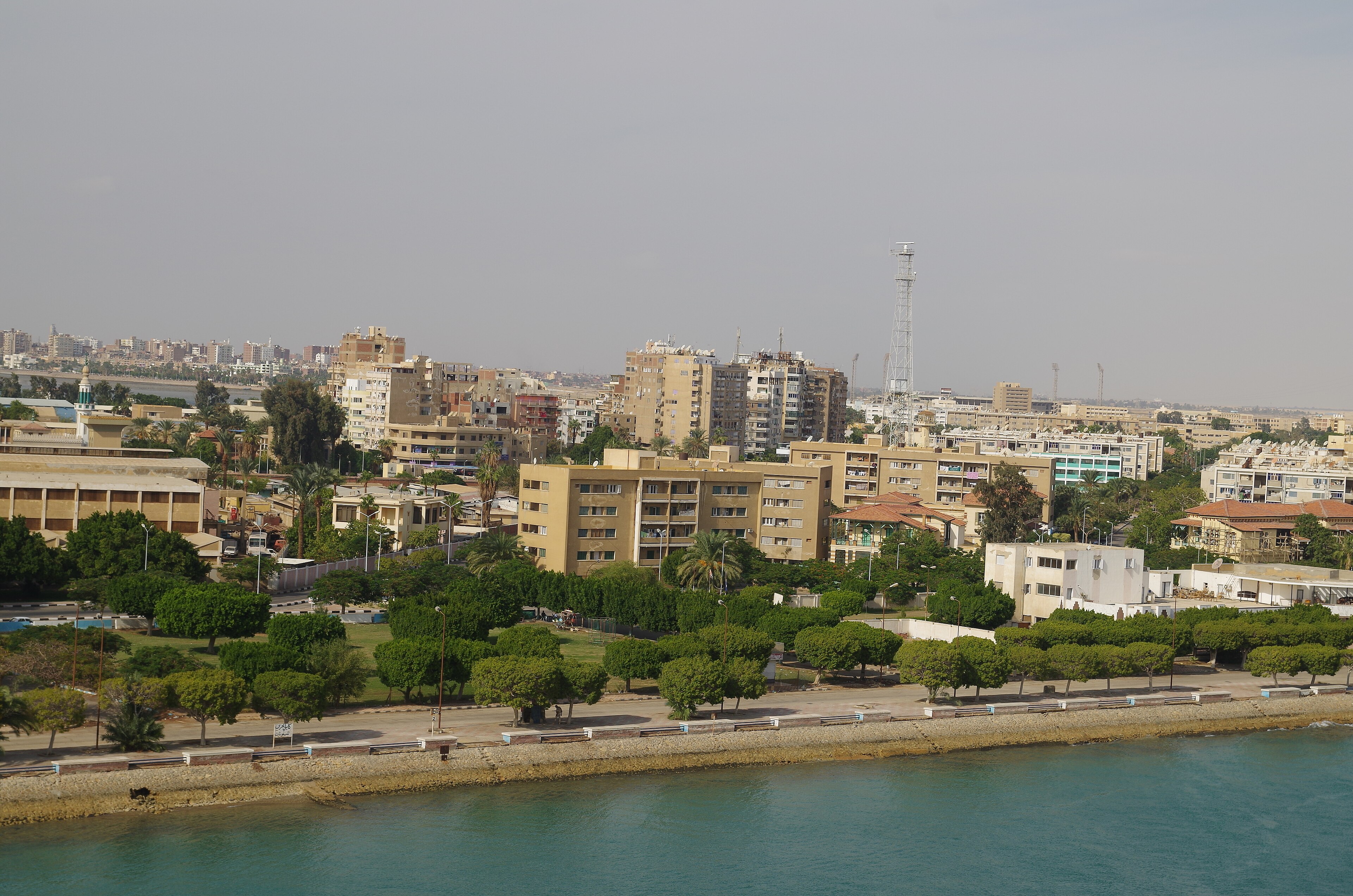
Posición en la infraestructura regional
Zafarana es un pueblo costero en la costa occidental del Golfo de Suez en Egipto, a las coordenadas 29.116687°N, 32.649856°E. Para la infraestructura de cables submarinos, Zafarana es crucial estructuralmente: es uno de los principales puntos de entrada al Mar Rojo Egipcio donde los cables submarinos Asia-Europa tocan tierra después de cruzar el corredor del Canal de Suez. La costa egipcia del Mar Rojo — Zafarana, Suez, Ras Ghareb, Sidi Kerir, Port Said, Alexandria — colectivamente forman la vía estrecha a través de la cual una fracción significativa de todo el tráfico de internet Asia-Europa pasa. Nueve cables submarinos principales tocan tierra en Zafarana.
El punto de transito del Canal de Suez se menciona repetidamente como uno de los riesgos más concentrados en la infraestructura global de internet: un fallo en el corredor submarino del Mar Rojo Egipcio afecta al tráfico entre Europa, Medio Oriente, India, Asia Sudoriental y Asia Oriental simultáneamente, requiriendo una reprogramación urgente a rutas más largas alrededor de África o por tierra a través de Rusia/Mongolia. El papel de Zafarana como uno de los puntos de concentración de cables dentro de este corredor lo convierte tanto en un activo de infraestructura clave como en un riesgo sistemático documentado.
Cables submarinos que tocan tierra en Zafarana
2Africa es un cable submarino de 45,000 km en servicio desde 2024, propiedad de una consorcio de 8 miembros incluyendo Meta, Vodafone, Orange, Bayobab, China Mobile y otros. Desde Zafarana llega a una ruta costera africana completa más rutas europeas, del Medio Oriente e india — 46 tocamientos en tierra totales.
Asia Africa Europe-1 (AAE-1) es un cable submarino de 25,000 km en servicio desde 2017, propiedad de un consorcio de 19 miembros. Desde Zafarana llega a Camboya, China (Hong Kong), Djibouti, Egipto (Abu Talat), Francia (Marseille), Grecia (Chania), India (Mumbai), Italia (Bari), Malasia (Penang), Myanmar, Omán, Pakistán, Qatar, Arabia Saudita, Tailandia, Emiratos Árabes Unidos (Fujairah), Vietnam, Yemen.
PEACE Cable es un cable submarino de 25,000 km en servicio desde 2022, propiedad de Peace Cable International Network Co. Ltd. Desde Zafarana llega a Chipre, Egipto (Abu Talat), Francia (Marseille), Kenia, Maldivas, Malta, Pakistán, Arabia Saudita, Seychelles, Singapur, Somalia, Túnez, Emiratos Árabes Unidos.
SeaMeWe-5 es un cable submarino de 20,000 km en servicio desde 2016. Desde Zafarana llega a Bangladesh, Djibouti, Egipto, Francia, Indonesia, Italia, Malasia, Myanmar, Omán, Pakistán, Arabia Saudita, Singapur, Sri Lanka, Turquía, Emiratos Árabes Unidos, Yemen.
Europe India Gateway (EIG) es un cable submarino de 15,000 km en servicio desde 2011. Desde Zafarana llega al Reino Unido, Portugal, Mónaco, Egipto (Abu Talat), Gibraltar, Arabia Saudita, Djibouti, India, Libia, Omán, Emiratos Árabes Unidos.
India Europe Xpress (IEX) es un cable submarino de 9.775 km programado para estar listo para servicio en 2026, propiedad de China Mobile y Reliance Jio. Desde Zafarana llegará a Djibouti, Egipto (Sidi Kerir), Francia (Marseille), Grecia, India (Mumbai), Italia (Savona), Omán, Arabia Saudita.
Middle East North Africa (MENA) Cable System / Gulf Bridge International es un cable submarino de 8.000 km en servicio desde 2014, propiedad de Gulf Bridge International y Telecom Egypt. Desde Zafarana llega a Egipto (Abu Talat), Italia (Mazara del Vallo), Omán, Arabia Saudita.
SEACOM/Tata TGN-Eurasia es un cable submarino de 15,000 km en servicio desde 2009, propiedad de SEACOM y Tata Communications. Desde Zafarana llega a Djibouti, India (Mumbai), Kenia, Mozambique, Arabia Saudita, Sudáfrica, Tanzania.
Red2Med es un cable submarino de 420 km en servicio desde 2023, propiedad de Telecom Egypt. Cable doméstico egipcio que conecta Zafarana con Port Said, Ras Ghareb y Suez — proporcionando ruteo interno del Mar Rojo en Egipto.
Topología de conexión y redundancia
Los nueve cables de Zafarana proporcionan una enorme capacidad para el tránsito Asia-Europa a través del Suez, pero comparten el riesgo geográfico concentrado del corredor marino egipcio. Los escenarios de fallo en Zafarana mismo se mitigan parcialmente por los otros puntos de amarre en la costa del Mar Rojo egipcia (Suez, Sidi Kerir, Ras Ghareb, Abu Talat, Port Said) — la mayoría de los cables que tocan tierra en Zafarana también tienen tocamientos paralelos en uno o más de estos sitios egipcios, proporcionando diversidad en los puntos de amarre dentro de Egipto.
El riesgo sistemático más profundo es que todos los puntos de amarre en la costa del Mar Rojo egipcia dependen del corredor del Canal de Suez como el único camino corto Asia-Europa. Incidentes anclajes, ataques terroristas o conflictos regionales afectando este corredor han causado interrupciones significativas históricamente — el incidente más notable fue en 2022 que afectó a AAE-1 y otros. La concentración operativa también es significativa: el operador estatal egipcio Telecom Egypt está involucrado (o co-pertenece) en muchos de los cables que tocan tierra en Zafarana, incluyendo 2Africa, MENA, Red2Med y otros.
Geografía e coordenadas
El punto de amarre del cable submarino de Zafarana se encuentra a 29.116687°N, 32.649856°E (29°07'00"N, 32°38'59"E), en la costa occidental del Golfo de Suez en Egipto. El Golfo de Suez es el brazo norte del Mar Rojo que conduce al Canal de Suez — los cables submarinos aquí utilizan el golfo como el acercamiento subacuático para continuar a través de la infraestructura del canal (fibra terrestre) o tocar tierra en manojos de amarre en la costa del Mar Rojo egipcia para ruteo terrestre adicional.
Preguntas frecuentes
¿Qué cables submarinos tocan tierra en Zafarana, Egipto?
Nueve cables submarinos principales tocan tierra en Zafarana: 2Africa (RFS 2024), AAE-1 (2017), PEACE Cable (2022), SeaMeWe-5 (2016), EIG (2011), IEX (programado para 2026), MENA/GBI (2014), SEACOM/Tata TGN-Eurasia (2009), Red2Med (2023).
¿Cuáles son las coordenadas del punto de amarre del cable submarino en Zafarana?
El punto de amarre del cable submarino en Zafarana se encuentra a 29.116687°N, 32.649856°E (29°07'00"N, 32°38'59"E), en la costa occidental del Golfo de Suez en Egipto.
¿Por qué es Zafarana estratégicamente importante para los cables submarinos?
Zafarana forma parte del corredor marino del Mar Rojo egipcio a través del cual una fracción significativa de todo el tráfico de internet Asia-Europa pasa. El punto de transito del Canal de Suez es uno de los riesgos más concentrados en la infraestructura global de internet, y Zafarana es uno de los principales puntos de amarre dentro de este corredor.
¿Cuándo se puso el primer cable submarino en Zafarana?
La coordenada más temprana documentada del punto de amarre de Zafarana en la base de datos GeoCables es SEACOM/Tata TGN-Eurasia, en servicio desde 2009. EIG siguió en 2011, MENA/GBI en 2014, con cables posteriores expandiendo gradualmente el papel de Zafarana como punto de amarre principal Asia-Europa.
¿Quiénes operan los cables submarinos que tocan tierra en Zafarana?
Los operadores de Zafarana incluyen el operador estatal egipcio Telecom Egypt (involucrado en muchos cables, incluyendo 2Africa, MENA, Red2Med), las consorcios multi-operators de 2Africa (Meta, Vodafone, Orange, Bayobab y otros), AAE-1 (19 miembros), SeaMeWe-5 (18 miembros), Peace Cable International, China Mobile y Reliance Jio (IEX), SEACOM y Tata Communications, y Gulf Bridge International.
Qué más: Zafarana, Egypt en el directorio global de puntos de amarre; vea las rutas cercanas en el mapa interactivo de cables o siga la supervisión de red en vivo.
Otros puntos de amarre en Egypt
FAQ
Punto de amarre
- PaísEG Egypt
- Coordenadas29.1167°N 32.6499°E
- Cables conectados10
Ver rutas reales
Visualice el enrutamiento real de cables submarinos desde Zafarana, Egypt - con nodos, distancias y latencia
Abrir calculadora →