Towale, Indonesia
Landing Point · ID Indonesia
1
Connected Cables
ID
Country
0.71°
Latitude
119.67°
Longitude
Ctrl + Scroll to zoom
Connected Cables
| Cable | Status |
|---|---|
| Link 2 Phase-1 | Active |
Live Performance
47
measurements
11
probes
197
days monitored
233.1
ms avg RTT
0
anomalies
RTT measurements to this landing point from 2026-03-25 through 2026-10-09 - live ICMP round-trip time via our monitoring probes. Recomputed daily. ✓ No anomalies detected in the monitored period.
Measurement sources
| Probe | Location | Samples | Avg |
|---|---|---|---|
| own probe | Almaty KZ | 9 | 275.7 ms |
| #6427 own probe | Sydney AU | 8 | 224.9 ms |
| #6410 own probe | Sao Paulo BR | 7 | 427.2 ms |
| #7062 own probe | Cape Town ZA | 7 | 310.5 ms |
| #6487 | control probe | 5 | 29.3 ms |
| #50462 | control probe | 5 | 25.7 ms |
| own probe | Tbilisi GE | 2 | 271.2 ms |
| #6568 own probe | Singapore SG | 1 | 53.8 ms |
| #7108 | control probe | 1 | 24.3 ms |
| own probe | Minsk BY | 1 | 308.7 ms |
| own probe | Jerusalem IL | 1 | 310.0 ms |
About Towale, Indonesia
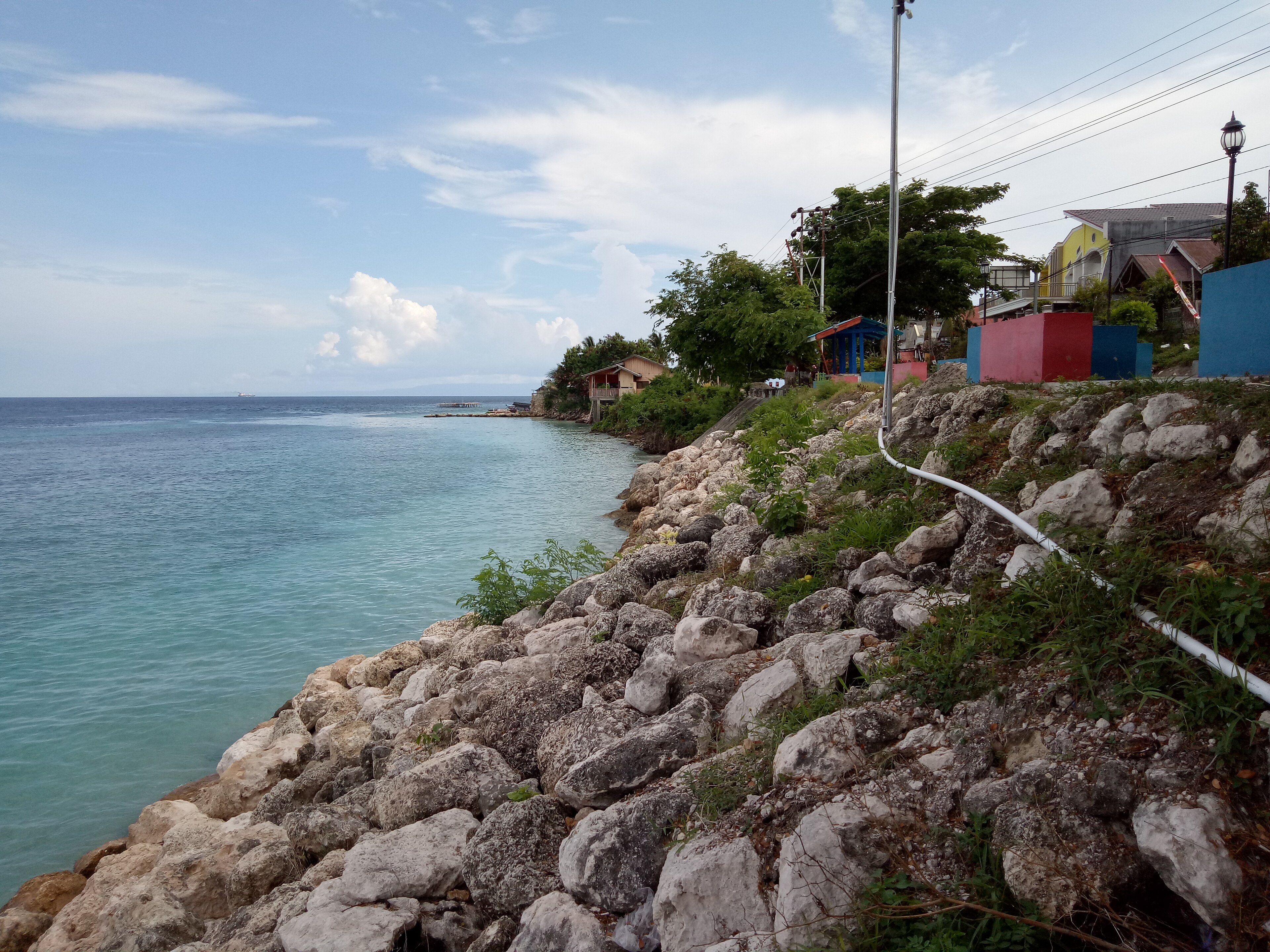
Towale, Indonesia: A Quiet Link in the Nation's Connectivity
Towale, a small landing point in Indonesia, plays a modest yet significant role in the country's vast submarine cable network. Hosting just one cable, the Link 2 Phase-1, Towale is far removed from the bustling hubs of Batam or Jakarta, where dozens of cables converge. Yet, its presence is necessary for stitching together the connectivity of Indonesia's sprawling archipelago.The Link 2 Phase-1 Cable: Connecting Towale to Sangatta
The Link 2 Phase-1 cable, operational since 2004, spans 281 kilometers and connects Towale to Sangatta, another landing point in Indonesia. This cable is entirely domestic, serving as a localized connection rather than an international gateway. Towale’s role in this chain is straightforward but important: it ensures that data flows seamlessly within the region, linking communities and businesses to larger national networks. While Towale is not a major hub, it is one of 139 submarine cable landing points in Indonesia, a country with an extensive network of 70 cables. Comparatively, Towale ranks in the top 62% of landing points by cable count, highlighting its contribution to the nation's connectivity, even if it is overshadowed by larger peers like Batam (20 cables) or Jakarta (10 cables).Latency Insights: A Reliable Connection
GeoCables' unique latency measurements reveal that Towale offers consistent performance. Across 10 completed checks from various source cities, the average round-trip latency was 273 milliseconds, with the best observed latency at 72 milliseconds. These figures indicate that Towale provides a stable connection, suitable for supporting local needs such as communication, data sharing, and small-scale digital operations.Positioning Towale in Indonesia's Connectivity Landscape
Indonesia's submarine cable network is a key infrastructure for connecting its 17,000 islands. While major hubs like Batam and Jakarta serve as gateways for international traffic and high-capacity data exchange, smaller landing points like Towale play a different role. They focus on regional connectivity, ensuring that even remote or less-developed areas remain part of the national digital fabric. Towale’s single cable might seem modest, but it is part of a larger story of inclusivity in Indonesia’s connectivity strategy. By linking Towale to Sangatta, the Link 2 Phase-1 cable helps bridge distances within the country, supporting local communities and businesses that rely on dependable access to the internet and digital services.The Importance of Regional Links
Towale’s role is a reminder that not all landing points need to be major hubs to be impactful. Its connection to Sangatta via the Link 2 Phase-1 cable ensures that smaller towns and cities are not left behind in the digital age. While Towale may not host international cables or serve as a high-traffic node, its presence is a testament to Indonesia’s commitment to regional connectivity. In a nation as vast and diverse as Indonesia, every landing point contributes to the bigger picture. Towale may be quiet compared to Batam or Makassar, but its single cable is a thread in the fabric that ties the archipelago together.What next: Towale, Indonesia in the global directory of cable landing points; see surrounding routes on the interactive submarine cable map or follow live network monitoring.
Other Landing Points in Indonesia
ID Aeng Batu Batu, Indonesia
5.3433°S 119.3846°E
ID Agats, Indonesia
5.5356°S 138.1214°E
ID Alor, Indonesia
8.3207°S 124.4038°E
ID Ambon, Indonesia
3.6554°S 128.1907°E
ID Ancol, Indonesia
6.1290°S 106.8334°E
ID Anyer, Indonesia
6.0737°S 105.8839°E
ID Baa, Indonesia
10.7333°S 123.0353°E
ID Bali, Indonesia
8.4101°S 115.6924°E
ID Balikpapan, Indonesia
1.2654°S 116.8312°E
ID Bandaneria, Indonesia
4.5202°S 129.8721°E
ID Bandar Lampung, Indonesia
5.4092°S 105.2541°E
ID Bangga, Indonesia
1.6003°S 123.5275°E
Landing Point
- CountryID Indonesia
- Coordinates0.7119°S 119.6661°E
- Connected Cables1
See Real Cable Routes
View actual submarine cable routing from Towale, Indonesia - with backbone nodes, distance calculations, and latency estimates
Open Calculator →
Submarine cables
Land fiber
Live probes