Ambon, Indonesia
Landing Point · ID Indonesia
Connected Cables
| Cable | Status |
|---|---|
| SMPCS Packet-1 | Active |
Live Performance
RTT measurements to this landing point from 2026-03-24 through 2026-09-28 - live ICMP round-trip time via our monitoring probes. Recomputed daily. ✓ No anomalies detected in the monitored period.
Measurement sources
| Probe | Location | Samples | Avg |
|---|---|---|---|
| own probe | Almaty KZ | 8 | 281.3 ms |
| #6427 own probe | Sydney AU | 7 | 212.5 ms |
| #6410 own probe | Sao Paulo BR | 6 | 377.0 ms |
| #7062 own probe | Cape Town ZA | 6 | 316.5 ms |
| #26109 | control probe | 5 | 51.1 ms |
| #51835 | control probe | 5 | 68.3 ms |
| #62242 | control probe | 5 | 52.2 ms |
| own probe | Tbilisi GE | 5 | 319.1 ms |
| #6487 | control probe | 3 | 31.8 ms |
| own probe | Minsk BY | 2 | 314.2 ms |
| own probe | Jerusalem IL | 2 | 307.6 ms |
About Ambon, Indonesia
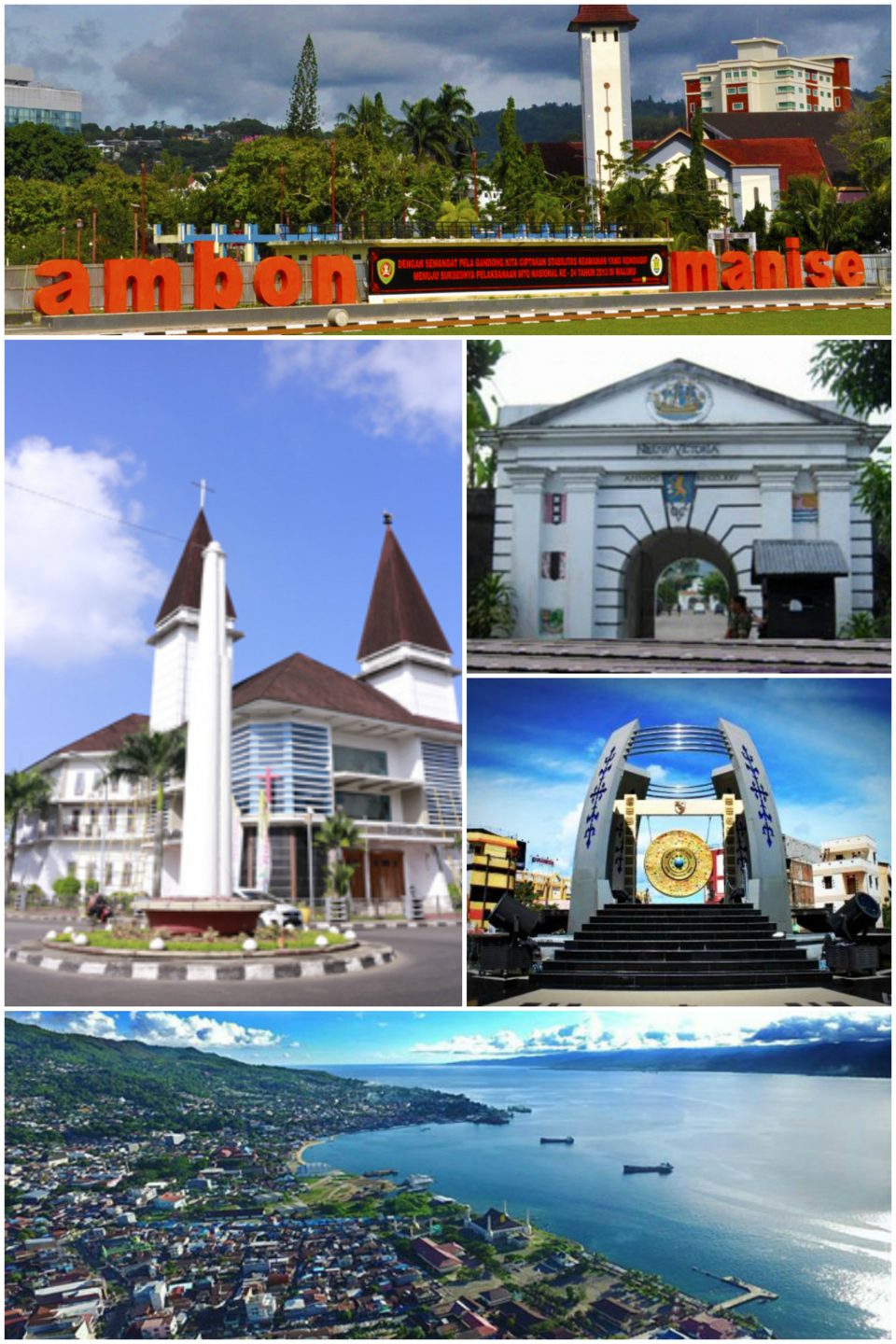
Ambon, Indonesia: Submarine Cable Landing Point
Ambon is the capital city of the Indonesian province of Maluku, situated in the eastern part of the Indonesian archipelago. As a landing point for submarine cable infrastructure, Ambon connects this eastern provincial capital into Indonesia's broader digital network. One submarine cable currently lands at Ambon, linking it to other points within the Indonesian island chain.
The single cable serving Ambon, the SMPCS Packet-1, operates entirely within Indonesia, making Ambon's submarine cable connectivity domestic in character rather than intercontinental. This positions the landing point as a node in an intra-national submarine cable corridor, serving the connectivity needs of Maluku province through undersea infrastructure rather than overland routes.
Cables Landing at Ambon
SMPCS Packet-1 is a submarine cable system with a total length of 3,156 kilometres, which reached ready-for-service status in 2015. The cable connects landing points exclusively within Indonesia, making it a domestic submarine cable system. With no international endpoints, SMPCS Packet-1 functions as an inter-island link within the Indonesian archipelago. The cable's status is recorded as draft, indicating it remains part of the planned and developing cable infrastructure inventory for this region.
Regional Context
Within Indonesia's extensive submarine cable landscape - which spans 70 cables across 139 landing points - Ambon ranks in the upper 62 percent of Indonesian landing points by cable count, hosting one cable. Major Indonesian hubs such as Batam (20 cables), Jakarta (9 cables), and Tanjung Pakis (9 cables) host considerably more cable systems, while Ambon's single-cable presence is more comparable to the many smaller landing points distributed across the archipelago. Nonetheless, Ambon's role as a landing point in the Maluku region reflects the geographic reach of Indonesia's submarine cable network into its eastern provinces.
Network Role
Ambon functions as a single-cable terminus rather than a multi-cable hub, served entirely by a domestic submarine cable system. The SMPCS Packet-1 connection enables inter-island submarine cable connectivity for eastern Indonesia, linking Ambon into the broader national infrastructure without a direct international submarine cable dimension. The cable's length of 3,156 kilometres - exceeding Indonesia's average cable length of 2,814 kilometres - reflects the distances involved in reaching this eastern provincial capital by undersea route.
Within the regional submarine cable graph, Ambon's landing point demonstrates how Indonesia's network extends beyond its major western hubs to serve provincial capitals in the far east of the archipelago, ensuring that even geographically remote island cities are incorporated into the country's submarine cable infrastructure.
What next: Ambon, Indonesia in the global directory of cable landing points; see surrounding routes on the interactive submarine cable map or follow live network monitoring.
Other Landing Points in Indonesia
Landing Point
- CountryID Indonesia
- Coordinates3.6554°S 128.1907°E
- Connected Cables1
See Real Cable Routes
View actual submarine cable routing from Ambon, Indonesia - with backbone nodes, distance calculations, and latency estimates
Open Calculator →