San Blas, FL, United States
Landing Point · US United States
Connected Cables
| Cable | Status |
|---|---|
| MANTA | Planned |
Live Performance
RTT measurements to this landing point from 2026-05-23 through 2026-10-05 - live ICMP round-trip time via our monitoring probes. Recomputed daily. ✓ No anomalies detected in the monitored period.
Measurement sources
| Probe | Location | Samples | Avg |
|---|---|---|---|
| own probe | Minsk BY | 3 | 133.5 ms |
| #6410 own probe | Sao Paulo BR | 2 | 149.8 ms |
| #6427 own probe | Sydney AU | 2 | 187.2 ms |
| own probe | Moscow RU | 2 | 140.8 ms |
| own probe | Saint Petersburg RU | 2 | 130.7 ms |
| #6487 | control probe | 1 | 232.4 ms |
| #6568 own probe | Singapore SG | 1 | 221.0 ms |
| #12320 | control probe | 1 | 59.3 ms |
| #54877 | control probe | 1 | 62.4 ms |
| #1000628 | control probe | 1 | 96.0 ms |
| own probe | Almaty KZ | 1 | 209.7 ms |
| own probe | Tbilisi GE | 1 | 173.3 ms |
| own probe | Jerusalem IL | 1 | 157.6 ms |
About San Blas, FL, United States
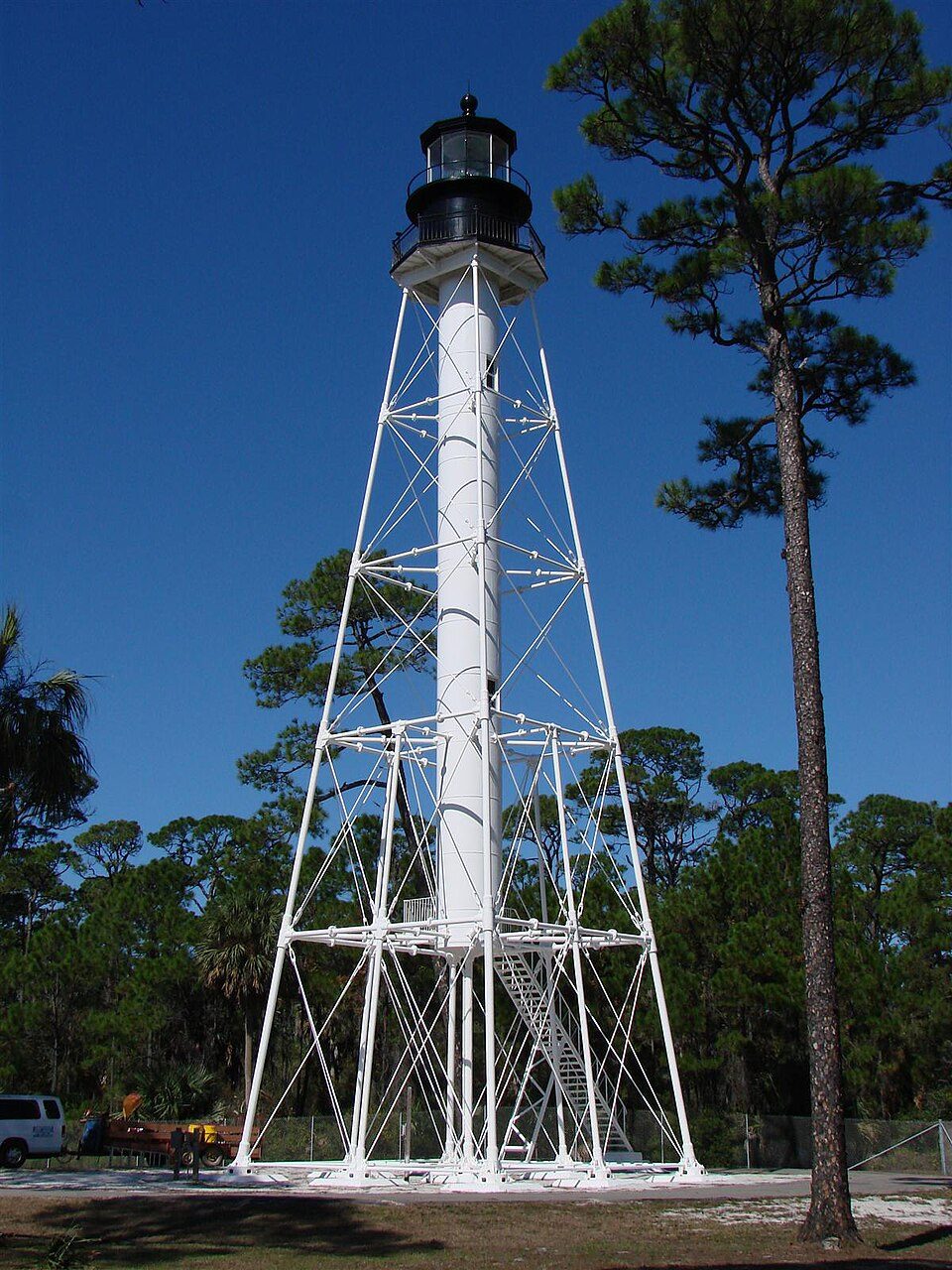
San Blas, FL, United States: Submarine Cable Landing Point
San Blas, Florida, is located on the Gulf Coast in the northwestern part of the state, a stretch of coastline that forms part of the broader Florida panhandle. As a submarine cable landing point, San Blas is home to one cable currently in the draft phase, scheduled to enter service in 2028. That cable, MANTA, connects the United States to Colombia, Mexico, and Panama, establishing a corridor that links North and Central America with northwestern South America across the Pacific and Gulf coasts.
The MANTA cable represents San Blas's entry into the submarine cable ecosystem, positioning this Gulf Coast location as a terminus for a system that spans multiple Latin American nations. The cable's reach across four countries gives San Blas a role in an intercontinental corridor, bridging the United States with key economies in Mexico, Central America, and South America.
Cables Landing at San Blas, FL
MANTA is a submarine cable system with a total length of 5,600 km, with a ready-for-service date of 2028, currently in draft status. In addition to San Blas, Florida, MANTA connects Colombia, Mexico, and Panama, creating a multi-country route that traverses the eastern Pacific and Gulf of Mexico region. This cable links San Blas to three other nations in a single continuous system, making it the sole submarine cable serving this landing point.
Regional Context
Within the United States, San Blas, Florida, hosts one submarine cable, placing it among the smaller landing points in a national infrastructure that spans 113 cables across 160 locations. Nearby Florida peers such as Boca Raton serve eight cables, reflecting the denser cable activity typically found on Florida's Atlantic coast. San Blas occupies a distinct position on the Gulf Coast, where submarine cable landings are comparatively less concentrated than on either the Atlantic or Pacific seaboards.
Network Role
San Blas functions as a single-cable terminus, with MANTA serving as its sole connection into the international submarine cable network. The cable enables direct links between the United States and Colombia, Mexico, and Panama, supporting a corridor that spans much of the western Americas. Once MANTA reaches its 2028 service date, San Blas will contribute a Gulf Coast pathway to a region where submarine cable routes more commonly make landfall on Florida's Atlantic side or California's Pacific shore.
As a one-cable landing point in a country that ranks among the most extensively cabled in the world, San Blas represents an emerging node in the United States submarine cable graph, adding geographic diversity to a national network that already encompasses 160 landing points. Its position on the Gulf Coast, paired with MANTA's four-country reach, gives this location a defined role in the western hemisphere's evolving connectivity architecture.
What next: San Blas, FL, United States in the global directory of cable landing points; see surrounding routes on the interactive submarine cable map or follow live network monitoring.
Other Landing Points in United States
Landing Point
- CountryUS United States
- Coordinates29.9537°N 84.1207°W
- Connected Cables1
See Real Cable Routes
View actual submarine cable routing from San Blas, FL, United States - with backbone nodes, distance calculations, and latency estimates
Open Calculator →