Pacific City, OR, United States
Точка выхода · US United States
Подключённые кабели
| Кабель | Статус |
|---|---|
| New Cross Pacific (NCP) Cable System | Активен |
Живые измерения
RTT-измерения до этой точки с 2026-04-10 по 2026-10-18 - живой ICMP round-trip через наши зонды. Пересчитывается ежедневно.
Источники измерений
| Проба | Локация | Замеров | Средн. |
|---|---|---|---|
| #65655 | control probe | 89 | 121.6 ms |
| #6818 | control probe | 66 | 206.0 ms |
| наш зонд | Moscow RU | 23 | 165.0 ms |
| #7062 наш зонд | Cape Town ZA | 22 | 280.7 ms |
| наш зонд | Minsk BY | 20 | 192.1 ms |
| #6487 | control probe | 6 | 207.7 ms |
| наш зонд | Saint Petersburg RU | 6 | 175.6 ms |
| наш зонд | Sevastopol UA | 5 | 199.4 ms |
| наш зонд | Kyiv UA | 5 | 167.3 ms |
| #6427 наш зонд | Sydney AU | 4 | 171.4 ms |
| наш зонд | Almaty KZ | 4 | 237.5 ms |
| наш зонд | Tbilisi GE | 4 | 197.7 ms |
| наш зонд | Jerusalem IL | 4 | 208.1 ms |
| #6410 наш зонд | Sao Paulo BR | 3 | 180.7 ms |
| #13213 | control probe | 3 | 66.6 ms |
| #52886 | control probe | 3 | 43.2 ms |
| #54133 | control probe | 3 | 53.4 ms |
| наш зонд | Rostov RU | 3 | 196.2 ms |
| наш зонд | Odessa UA | 3 | 193.7 ms |
| наш зонд | Balancer IL | 3 | 208.1 ms |
Описание Pacific City, OR, United States
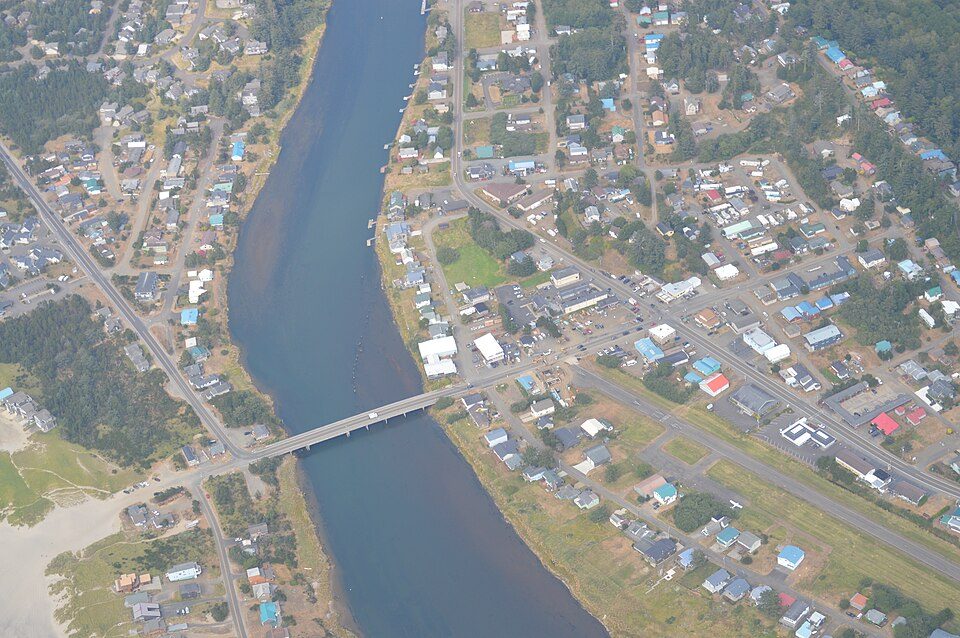
Порт Пасифик-Сити, Орегон: Точка приземления подводного кабеля
Пасифик-Сити - это переписьное место в округе Тиламук штата Орегон на западном побережье США. Несмотря на небольшое население, составляющее около 1,100 человек, этот поселок является точкой приземления для крупной системы транспацифических подводных кабелей. Его положение на берегу океана делает его частью одного из самых активных коридоров подводных кабелей в мире, обеспечивающего прямое соединение континентальной части США с экономиками Восточной Азии.
Подводный кабель, приземляющийся в Пасифик-Сити, - это система New Cross Pacific (NCP). Этот единственный подводный кабель соединяет берега Орегона с Китаем, Японией, Южной Кореей и Тайванем, делая Пасифик-Сити прямым транспацифическим портом на западном побережье Северной Америки.
Подводные кабели приземляющиеся в Пасифик-Сити, Орегон
Система подводных кабелей New Cross Pacific (NCP) - единственный подводный кабель, приземляющийся в Пасифик-Сити. Длина этого кабеля составляет 13,618 км и он достиг состояния готовности для эксплуатации (RFS) в 2018 году. Кабель соединяет США с четырьмя территориями Восточной Азии: Китаем, Японией, Южной Кореей и Тайванем. Его значительная длина отражает широту транспацифического маршрута, который он проходит, вытягиваясь с берегов Орегона на запад через Тихий океан для обслуживания некоторых из наиболее загруженных интернет-рынков Азии.
Региональный контекст
В США Пасифик-Сити является одним из 160 точек приземления подводных кабелей, занимая место среди верхних 69 процентов по количеству кабелей. Сравнивая с высоконасыщенными узлами, такими как Бока Ратон, ФЛ (каждый из которых имеет восемь кабелей) или Калифорнийские местечки Хермоса-Бич и Гроувер-Бич, которые имеют по пять и четыре кабеля соответственно, Пасифик-Сити располагает только одним кабелем. Его роль заключается в том, чтобы быть фокусированным терминалом системы, а не узлом с несколькими кабелями.
Роль сети
Пасифик-Сити функционирует как транспацифический терминал, закрепляющий американский конец системы подводных кабелей New Cross Pacific и предоставляя прямой путь между континентальными США и четырьмя крупнейшими рынками Восточной Азии: Китаем, Японией, Южной Кореей и Тайванем. Как терминал с одним кабелем, он не выполняет функцию агрегации, которую можно найти в больших узлах США, но длина системы подводных кабелей New Cross Pacific в 13,618 км и ее состояние готовности для эксплуатации (RFS) в 2018 году представляют собой значительный транспацифический маршрут, заканчивающийся на берегах Орегона.
Наличие точки приземления в небольшом побережном поселке, таком как Пасифик-Сити, иллюстрирует распределение инфраструктуры подводных кабелей на географически разнообразных местах вдоль западного побережья США. В более широкой сети подводных кабелей США - 113 кабелей на 160 точках приземления - Пасифик-Сити вносит свой вклад в прямую транспацифическую трассу, которая непосредственно связывает западный североамериканский регион с Восточной Азией.
Что дальше: Pacific City, OR, United States в каталоге точек приземления кабелей; маршруты вокруг - на интерактивной карте, события сети - на живом мониторинге.
История инцидентов
Значимые инциденты на кабелях, которые выходят здесь на берег, у каждого свой отчет.
Другие точки выхода в United States
Точка выхода
- СтранаUS United States
- Координаты45.2019°N 123.9626°W
- Подключённые кабели1
Реальные маршруты кабелей
Посмотрите маршруты подводных кабелей от Pacific City, OR, United States - с узлами, расчётом расстояний и оценкой задержки
Открыть калькулятор →