Kihei, HI, United States
Точка выхода · US United States
Подключённые кабели
| Кабель | Статус |
|---|---|
| Hawaii Inter-Island Cable System (HICS) | Активен |
| Hawaii Island Fibre Network (HIFN) | Активен |
Живые измерения
RTT-измерения до этой точки с 2026-05-14 по 2026-10-09 - живой ICMP round-trip через наши зонды. Пересчитывается ежедневно. ✓ За период мониторинга аномалии не зафиксированы.
Источники измерений
| Проба | Локация | Замеров | Средн. |
|---|---|---|---|
| наш зонд | Jerusalem IL | 6 | 171.4 ms |
| #6427 наш зонд | Sydney AU | 4 | 203.4 ms |
| #7062 наш зонд | Cape Town ZA | 4 | 257.7 ms |
| #6487 | control probe | 3 | 231.3 ms |
| наш зонд | Almaty KZ | 3 | 208.3 ms |
| #19053 | control probe | 2 | 101.8 ms |
| #61465 | control probe | 2 | 141.6 ms |
| #1010262 | control probe | 2 | 104.3 ms |
| наш зонд | Minsk BY | 2 | 153.7 ms |
| наш зонд | Tbilisi GE | 2 | 180.9 ms |
| наш зонд | Moscow RU | 2 | 133.2 ms |
| наш зонд | Saint Petersburg RU | 2 | 134.8 ms |
| #6568 наш зонд | Singapore SG | 1 | 210.4 ms |
| наш зонд | Sevastopol UA | 1 | 183.1 ms |
| наш зонд | Ekaterinburg RU | 1 | 174.7 ms |
Описание Kihei, HI, United States
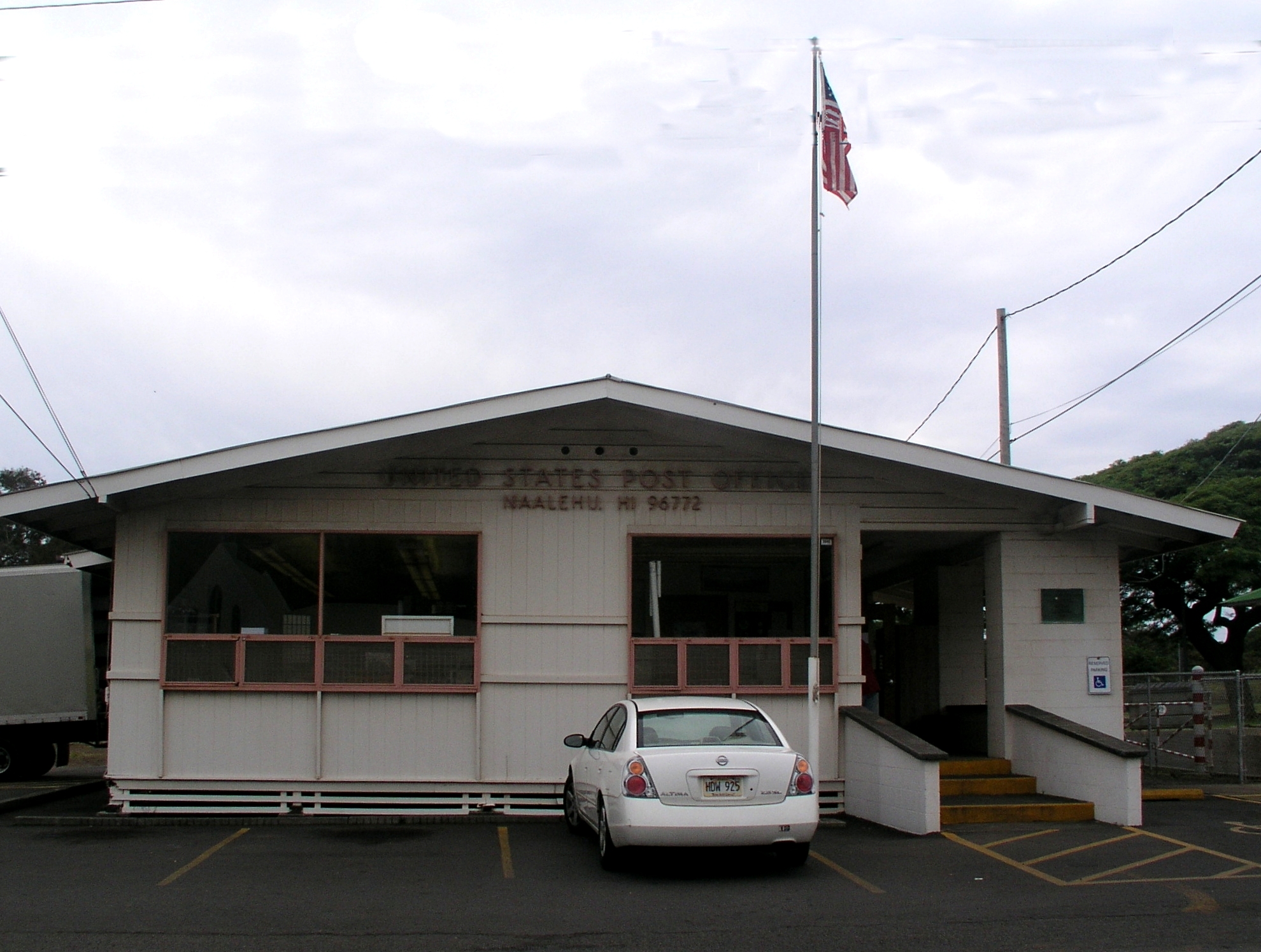
Кихеи, Гавайи, США: Точка приземления подводного кабеля
Кихеи - это точка приземления кабеля, расположенная на острове Мауи, Гавайи, в США. Как точка приземления подводного кабеля, она служит узлом в цепи гавайских островов, принимая два подводных кабеля, которые соединяют Мауи с другими островами штата. Оба кабеля, приземляющиеся в Кихеи, имеют исключительно внутренний характер, связывая различные части Гавайев и не достигая международных направлений.
Два кабеля, приземляющиеся в Кихеи - Hawaii Island Fibre Network (HIFN) и Hawaii Inter-Island Cable System (HICS), - вместе делают Кихеи точкой межостровной связи в пределах Гавайского архипелага. Этот внутригосударственный коридор поддерживает коммуникации между Мауи и другими гавайскими островами, являясь частью более широкой сетевой инфраструктуры, которая объединяет географически разрозненные острова.
Кабели, приземляющиеся в Кихеи, Гавайи, США
Hawaii Island Fibre Network (HIFN) - это подводный кабель длиной 529 километров, введён в эксплуатацию в 1997 году. Он соединяет точки приземления в пределах США, связывая гавайские острова друг с другом. Кихеи является одной из конечных точек этого межостровного маршрута.
Hawaii Inter-Island Cable System (HICS) - это подводный кабель длиной 479 километров, который был введён в эксплуатацию в 1994 году, став более ранней из двух систем, приземляющихся в Кихеи. Как и HIFN, он соединяет точки исключительно в пределах США, прокладывая маршруты между точками приземления на гавайских островах. Вместе HICS и HIFN представляют собой последовательные поколения межостровной подводной кабельной инфраструктуры, обслуживаемой в этой локации.
Региональный контекст
В пределах США подводные кабели приземляются в 160 точках по всей стране, а общая сеть насчитывает 113 кабелей. Кихеи принимает 2 кабеля, что ставит его в верхние 84% точек приземления США по количеству кабелей. Среди точек приземления на Гавайях Каполеи на Оаху принимает 5 кабелей, что делает его более значимым узлом в пределах штата, тогда как два межостровных кабеля Кихеи отражают его более узкую роль в системе гавайских островов.
Роль в сети
Кихеи функционирует как точка приземления двух кабелей, обслуживающая межостровной подводный кабельный коридор на Гавайях. Оба кабеля, завершающиеся здесь - HIFN и HICS, - являются внутренними системами, что означает, что роль Кихеи в сети полностью ориентирована на внутригосударственную связь, а не на трансокеанские или международные маршруты. Эта точка приземления не служит шлюзом для международных кабельных систем, а поддерживает соединение Мауи с другими гавайскими островами.
В более широкой графовой структуре подводных кабелей США Кихеи представляет собой специализированный узел: узел, предназначенный для относительно коротких межостровных соединений, уникальных для географии гавайской цепи островов. Его положение рядом с двумя различными кабельными системами, введёнными в эксплуатацию с разницей в три года, отражает поэтапное развитие внутренней подводной кабельной инфраструктуры Гавайев в 1990-х годах. Наличие нескольких межостровных кабельных систем, приземляющихся в Кихеи, подчёркивает роль Мауи как связанного узла в гавайском сегменте национальной подводной сети.
Что дальше: Kihei, HI, United States в каталоге точек приземления кабелей; маршруты вокруг - на интерактивной карте, события сети - на живом мониторинге.
Другие точки выхода в United States
Точка выхода
- СтранаUS United States
- Координаты20.7822°N 156.4631°W
- Подключённые кабели2
Реальные маршруты кабелей
Посмотрите маршруты подводных кабелей от Kihei, HI, United States - с узлами, расчётом расстояний и оценкой задержки
Открыть калькулятор →