Cordova, AK, United States
Landing Point · US United States
Connected Cables
| Cable | Status |
|---|---|
| FISH North | Active |
| FISH South | Planned |
| FISH West | Planned |
Live Performance
RTT measurements to this landing point from 2026-04-11 through 2026-06-27 - live ICMP round-trip time via our monitoring probes. Recomputed daily. ✓ No anomalies detected in the monitored period.
Measurement sources
| Probe | Location | Samples | Avg |
|---|---|---|---|
| own probe | Minsk BY | 5 | 180.5 ms |
| #6410 own probe | Sao Paulo BR | 3 | 158.2 ms |
| #7062 own probe | Cape Town ZA | 3 | 251.1 ms |
| own probe | Almaty KZ | 3 | 207.3 ms |
| own probe | Moscow RU | 3 | 136.0 ms |
| own probe | Tbilisi GE | 2 | 162.5 ms |
| own probe | Jerusalem IL | 2 | 157.9 ms |
| own probe | Saint Petersburg RU | 2 | 145.0 ms |
About Cordova, AK, United States
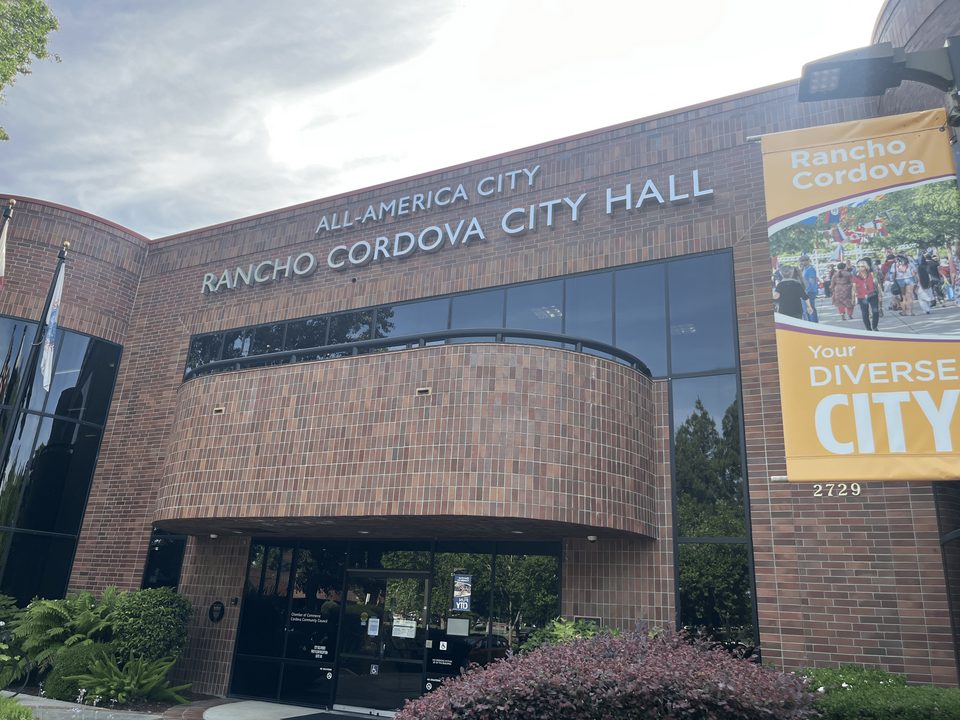
Cordova, AK: Submarine Cable Landing Point
Cordova is a coastal community in Alaska, United States, serving as a submarine cable landing point on the southern coast of the state. Three submarine cables land at Cordova, all operating domestically within the United States. The cables connecting here form an intra-national network, linking Alaskan communities along regional corridors rather than spanning intercontinental distances.
All three cables landing at Cordova belong to the FISH cable family - FISH South, FISH West, and FISH North - a suite of systems designed to extend submarine connectivity across Alaskan waters. Together they position Cordova as a node within a regional Alaskan submarine cable network, enabling connectivity between communities that are otherwise difficult to reach by terrestrial infrastructure.
Cables Landing at Cordova, AK
FISH North is a 90-kilometre submarine cable that reached ready-for-service status in 2011. It connects landing points exclusively within the United States, making it a domestic intra-Alaskan system. As the earliest of the three FISH cables to enter service, it represents the initial stage of submarine cable development at Cordova.
FISH West is a 276-kilometre submarine cable with a projected ready-for-service date of 2027, currently in draft status. Like FISH North, it connects locations entirely within the United States, extending the regional cable footprint westward from Cordova.
FISH South is the longest of the three cables at 900 kilometres, also carrying a projected ready-for-service date of 2027 and currently in draft status. It too connects landing points within the United States, running southward to link Cordova into a broader domestic Alaskan network.
Regional Context
Within the United States, Cordova ranks among the upper tier of domestic landing points by cable count, hosting three cables across a national submarine cable infrastructure that spans 113 cables and 160 landing points. Compared to high-volume landing points such as Boca Raton, FL and San Juan, PR - each serving eight cables - or Hermosa Beach, CA and Kapolei, HI with five cables each, Cordova's three cables reflect its role as a regional rather than a major hub. Its significance is specific to Alaskan domestic connectivity rather than to broader international or transcontinental routing.
Network Role
Cordova functions as a multi-cable terminus within a domestic Alaskan submarine cable network. The three FISH cables radiating from this landing point - spanning distances from 90 to 900 kilometres - cover different directional corridors across Alaskan waters, collectively enabling regional connectivity among communities within the state. With two of the three cables still in draft status for a 2027 ready-for-service date, Cordova is a landing point whose network role is actively expanding.
In the broader United States submarine cable graph, Cordova represents a geographically distinct node serving the specific connectivity demands of coastal Alaska, a region where submarine cables provide links that overland routes cannot easily replicate.
What next: Cordova, AK, United States in the global directory of cable landing points; see surrounding routes on the interactive submarine cable map or follow live network monitoring.
Other Landing Points in United States
FAQ
Landing Point
- CountryUS United States
- Coordinates60.5427°N 145.7547°W
- Connected Cables3
See Real Cable Routes
View actual submarine cable routing from Cordova, AK, United States - with backbone nodes, distance calculations, and latency estimates
Open Calculator →