Rangiroa, French Polynesia
Landing Point · PF French Polynesia
1
Connected Cables
PF
Country
15.12°
Latitude
147.65°
Longitude
Ctrl + Scroll to zoom
Connected Cables
| Cable | Status |
|---|---|
| Natitua | Active |
Live Performance
52
measurements
15
probes
153
days monitored
250.7
ms avg RTT
0
anomalies
RTT measurements to this landing point from 2026-04-09 through 2026-09-09 - live ICMP round-trip time via our monitoring probes. Recomputed daily. ✓ No anomalies detected in the monitored period.
Measurement sources
| Probe | Location | Samples | Avg |
|---|---|---|---|
| own probe | Jerusalem IL | 9 | 304.8 ms |
| #6410 own probe | Sao Paulo BR | 5 | 269.4 ms |
| #6427 own probe | Sydney AU | 5 | 236.3 ms |
| own probe | Almaty KZ | 5 | 327.8 ms |
| own probe | Balancer IL | 5 | 290.7 ms |
| own probe | Minsk BY | 4 | 307.3 ms |
| own probe | Tbilisi GE | 4 | 326.2 ms |
| #54473 | control probe | 3 | 4.4 ms |
| #6487 | control probe | 2 | 265.5 ms |
| #7062 own probe | Cape Town ZA | 2 | 363.6 ms |
| #53098 | control probe | 2 | 5.2 ms |
| #1014350 | control probe | 2 | 3.8 ms |
| own probe | Moscow RU | 2 | 272.2 ms |
| #1001562 | control probe | 1 | 10.7 ms |
| own probe | Sevastopol UA | 1 | 296.7 ms |
About Rangiroa, French Polynesia
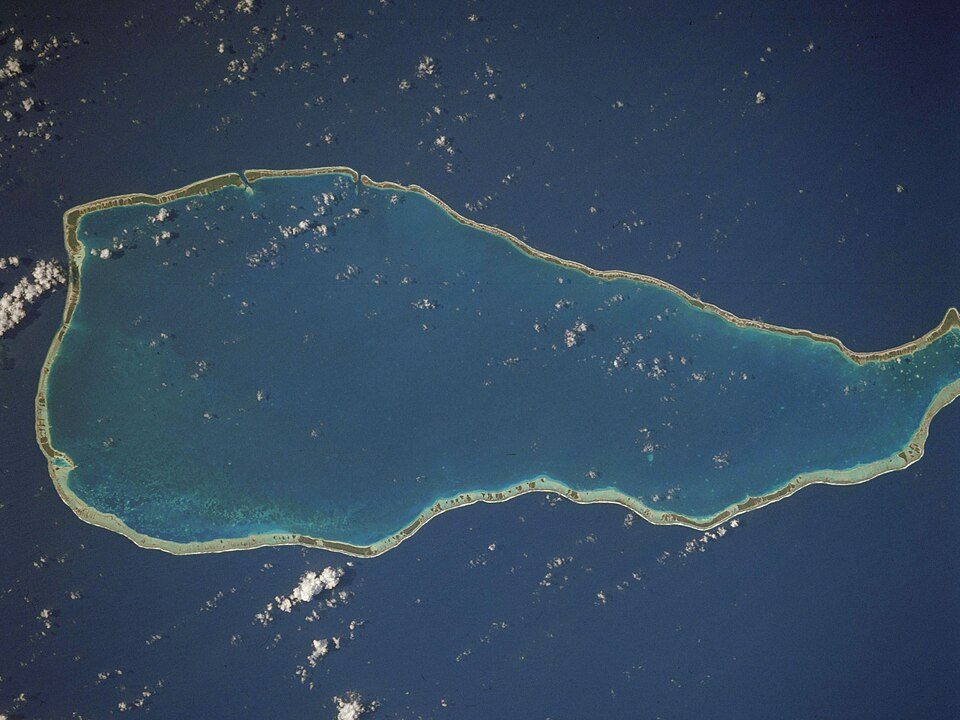
Rangiroa: A Remote Link in French Polynesia's Connectivity Chain
Rangiroa, a picturesque atoll in French Polynesia, serves as one of the landing points for the Natitua submarine cable. While Rangiroa may not boast the multiple cable connections seen in larger hubs like Papenoo or Faratea, its single cable plays a key role in stitching together the islands of this vast archipelago.The Natitua Cable: Connecting Rangiroa to the Region
The Natitua cable, operational since 2018, spans 2,680 km and connects Rangiroa to 10 other landing points across French Polynesia, including Arutua, Fakarava, and Hitia'a. Unlike international cables that link to distant continents, Natitua is a domestic network. Its purpose is to ensure that even the most remote islands, like Rangiroa, have access to reliable communication infrastructure. Rangiroa’s position in this chain is significant. It is part of a broader effort to connect smaller, isolated communities to regional hubs, ensuring that residents and businesses have access to modern digital tools. The cable does not extend beyond French Polynesia, but it offers a domestic lifeline to other islands and, through further connections, to the global internet.Latency and Performance: What GeoCables Observes
GeoCables’ monitoring of Rangiroa’s connectivity reveals an average round-trip latency of 298 ms, with the best observed latency being 230 ms. These figures reflect the inherent challenges of serving remote islands in the Pacific, where distances to major global internet hubs are vast. Despite this, the Natitua cable provides dependable service, enabling Rangiroa to stay connected to the rest of French Polynesia.Rangiroa in Context
French Polynesia hosts 23 landing points across its islands, with a total of 8 submarine cables. Rangiroa ranks in the top 83% of these landing points by cable count, underscoring its importance despite hosting just one cable. This single connection is sufficient to integrate Rangiroa into the domestic network, alongside peers like Arutua and Fakarava, which also host one cable each. In contrast, larger hubs like Papenoo and Faratea have multiple cables, serving as gateways for international traffic and regional distribution. Rangiroa’s role is more specialized, focusing on local connectivity rather than global reach. Its inclusion in the Natitua chain ensures that even remote communities can participate in the digital economy and access essential services.The Importance of Connectivity for Rangiroa
Rangiroa’s economy is primarily driven by tourism, pearl farming, and small-scale fishing. Reliable internet access enables local businesses to market their products, connect with customers, and streamline operations. For residents, the cable provides access to education, healthcare resources, and communication with family members across the islands. While Rangiroa may not be a major hub, its connection via the Natitua cable is a testament to French Polynesia’s commitment to bridging distances and fostering inclusivity across its dispersed islands.What next: Rangiroa, French Polynesia in the global directory of cable landing points; see surrounding routes on the interactive submarine cable map or follow live network monitoring.
Other Landing Points in French Polynesia
PF Arutua, French Polynesia
15.2899°S 146.7862°W
PF Fakarava, French Polynesia
16.3103°S 145.6246°W
PF Faratea, French Polynesia
17.7186°S 149.3059°W
PF Hao, French Polynesia
18.2158°S 140.9081°W
PF Hitia'a, French Polynesia
17.7233°S 149.3081°W
PF Hiva Oa, French Polynesia
9.7547°S 139.0211°W
PF Huahine, French Polynesia
16.7301°S 151.0001°W
PF Kaukura, French Polynesia
15.7414°S 146.6738°W
PF Makemo, French Polynesia
16.5396°S 143.8672°W
PF Manihi, French Polynesia
14.4029°S 145.9581°W
PF Mitirapa, French Polynesia
17.7341°S 149.3252°W
PF Moorea, French Polynesia
17.5388°S 149.8296°W
Landing Point
- CountryPF French Polynesia
- Coordinates15.1162°S 147.6513°W
- Connected Cables1
See Real Cable Routes
View actual submarine cable routing from Rangiroa, French Polynesia - with backbone nodes, distance calculations, and latency estimates
Open Calculator →
Submarine cables
Land fiber
Live probes