Hao, French Polynesia
Landing Point · PF French Polynesia
1
Connected Cables
PF
Country
18.22°
Latitude
140.91°
Longitude
Ctrl + Scroll to zoom
Connected Cables
| Cable | Status |
|---|---|
| Natitua | Active |
Live Performance
85
measurements
11
probes
214
days monitored
299.9
ms avg RTT
0
anomalies
RTT measurements to this landing point from 2026-03-02 through 2026-10-02 - live ICMP round-trip time via our monitoring probes. Recomputed daily. ✓ No anomalies detected in the monitored period.
Measurement sources
| Probe | Location | Samples | Avg |
|---|---|---|---|
| own probe | Jerusalem IL | 13 | 315.2 ms |
| own probe | Tbilisi GE | 12 | 310.9 ms |
| #6410 own probe | Sao Paulo BR | 10 | 295.9 ms |
| #6427 own probe | Sydney AU | 10 | 243.5 ms |
| own probe | Almaty KZ | 10 | 325.6 ms |
| own probe | Minsk BY | 9 | 305.0 ms |
| #6487 | control probe | 8 | 269.4 ms |
| own probe | Balancer IL | 8 | 317.5 ms |
| #7062 own probe | Cape Town ZA | 2 | 348.3 ms |
| own probe | Sevastopol UA | 2 | 299.7 ms |
| own probe | Moscow RU | 1 | 274.6 ms |
About Hao, French Polynesia
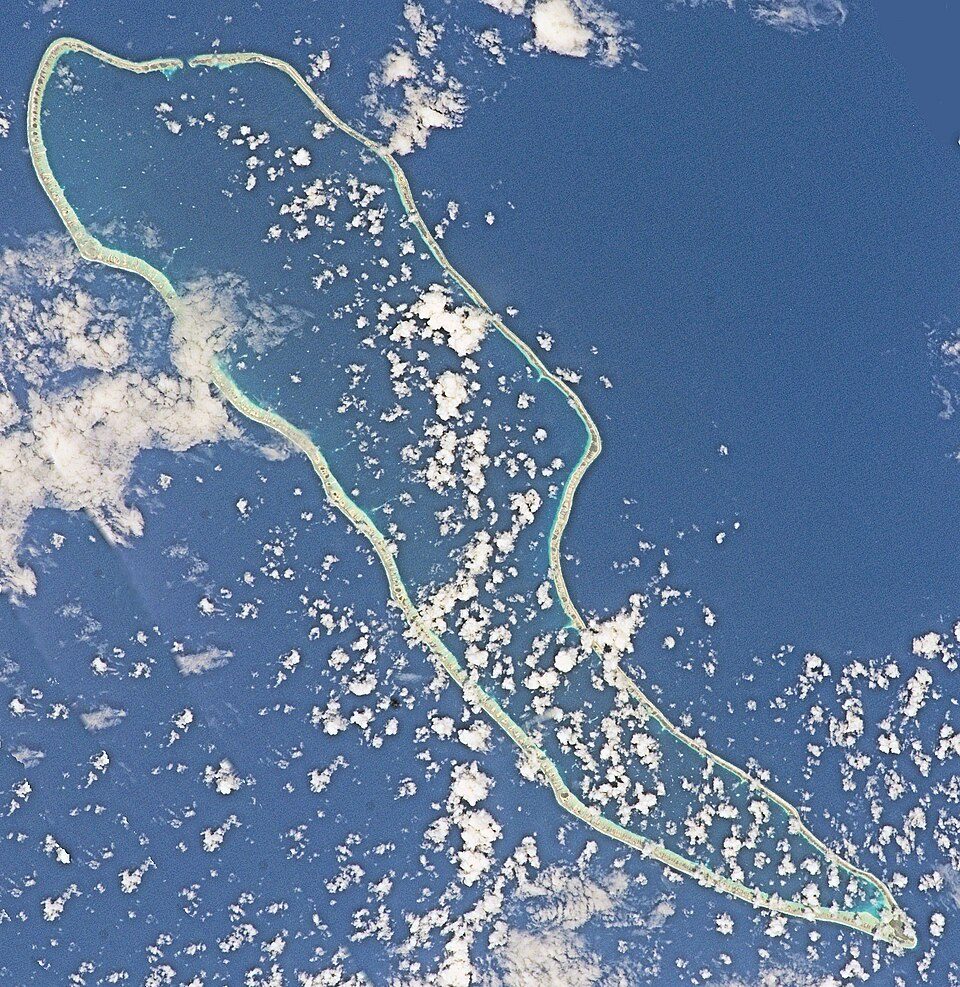
Hao: A Singular Connection in the Tuamotu Archipelago
Hao, a coral atoll in the central Tuamotu Archipelago of French Polynesia, is a place of striking contrasts. Known for its unique harp-shaped lagoon, which inspired French explorer Louis Antoine de Bougainville to name it "Île de la Harpe," Hao has a history tied to military operations and nuclear testing support. Today, however, its role in the region is defined by a quieter yet equally transformative presence: the Natitua submarine cable.The Natitua Cable: Hao's Gateway to Connectivity
Hao hosts just one submarine cable, the Natitua, which has been operational since 2018. This 2680 km cable connects Hao to 10 other landing points across French Polynesia, including Arutua, Fakarava, and Nuku Hiva. Unlike major hubs such as Papenoo, which hosts four cables, Hao's single connection may seem modest. However, it plays a key role in stitching together the remote islands of the Tuamotu Archipelago, enabling reliable communication and data transfer across vast distances. The Natitua cable is part of a broader network of eight submarine cables serving French Polynesia, which collectively link 23 landing points. With an average cable length of 6450 km, this infrastructure is critical for connecting the scattered islands of the region, many of which are separated by thousands of kilometers of open ocean. Hao's position within this network ensures that even small, isolated communities can access modern telecommunications.Latency Measurements: A Window into Performance
GeoCables' unique latency monitoring has provided valuable insights into Hao's connectivity. With 60 completed checks from 10 global cities, the average round-trip latency to Hao is 302 ms, while the best observed latency is an impressive 230 ms. These numbers reflect the challenges of connecting remote islands but also highlight the efficiency of the Natitua cable in bridging the physical distances.A Link to the World
For Hao's approximately 1000 residents, the Natitua cable means more than just faster internet. It connects the atoll to the broader world, supporting everything from education to small-scale commerce. While Hao may not have the industrial or academic hubs found in larger landing points like Faratea or Papenoo, its inclusion in the Natitua network ensures that its residents are not left behind in the digital age.Regional Context: Hao's Role in the Tuamotus
Hao's single cable places it among other similarly connected landing points like Arutua and Fakarava, which also host one cable each. In contrast, more central locations like Hitia'a or Vaitape benefit from multiple connections. This disparity underscores the strategic importance of the Natitua cable in linking smaller, remote islands like Hao to the larger hubs of French Polynesia. Without this connection, Hao's isolation would be far more pronounced.Conclusion
Hao may be small and remote, but its inclusion in the Natitua submarine cable network ensures that it remains connected to the broader world. As one of the 23 landing points in French Polynesia's cable infrastructure, Hao plays a quiet yet essential role in bridging the distances between the islands of the Tuamotu Archipelago. For its residents, this single cable is not just a technical achievement but a lifeline to modernity and opportunity.What next: Hao, French Polynesia in the global directory of cable landing points; see surrounding routes on the interactive submarine cable map or follow live network monitoring.
Other Landing Points in French Polynesia
PF Arutua, French Polynesia
15.2899°S 146.7862°W
PF Fakarava, French Polynesia
16.3103°S 145.6246°W
PF Faratea, French Polynesia
17.7186°S 149.3059°W
PF Hitia'a, French Polynesia
17.7233°S 149.3081°W
PF Hiva Oa, French Polynesia
9.7547°S 139.0211°W
PF Huahine, French Polynesia
16.7301°S 151.0001°W
PF Kaukura, French Polynesia
15.7414°S 146.6738°W
PF Makemo, French Polynesia
16.5396°S 143.8672°W
PF Manihi, French Polynesia
14.4029°S 145.9581°W
PF Mitirapa, French Polynesia
17.7341°S 149.3252°W
PF Moorea, French Polynesia
17.5388°S 149.8296°W
PF Nuku Hiva, French Polynesia
8.8605°S 140.1421°W
Landing Point
- CountryPF French Polynesia
- Coordinates18.2158°S 140.9081°W
- Connected Cables1
See Real Cable Routes
View actual submarine cable routing from Hao, French Polynesia - with backbone nodes, distance calculations, and latency estimates
Open Calculator →
Submarine cables
Land fiber
Live probes