Pine Island, BC, Canada
Landing Point · CA Canada
1
Connected Cables
CA
Country
50.98°
Latitude
127.72°
Longitude
Ctrl + Scroll to zoom
Connected Cables
| Cable | Status |
|---|---|
| Connected Coast | Active |
Live Performance
28
measurements
9
probes
28
days monitored
116.0
ms avg RTT
0
anomalies
RTT measurements to this landing point from 2026-07-11 through 2026-08-09 - live ICMP round-trip time via our monitoring probes. Recomputed daily. ✓ No anomalies detected in the monitored period.
Measurement sources
| Probe | Location | Samples | Avg |
|---|---|---|---|
| #6487 | control probe | 4 | 195.8 ms |
| #7062 own probe | Cape Town ZA | 4 | 216.4 ms |
| own probe | Minsk BY | 4 | 107.8 ms |
| own probe | Moscow RU | 4 | 106.5 ms |
| own probe | Saint Petersburg RU | 4 | 100.7 ms |
| #17830 | control probe | 2 | 14.6 ms |
| #50094 | control probe | 2 | 33.6 ms |
| #54737 | control probe | 2 | 11.3 ms |
| own probe | Kyiv UA | 2 | 109.6 ms |
About Pine Island, BC, Canada
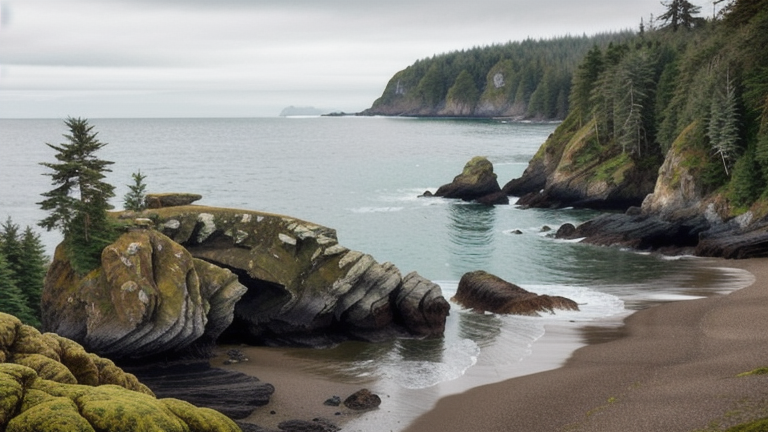
Connecting Pine Island, BC: A Small Link in a Big Chain
Pine Island, British Columbia, is one of the 155 submarine cable landing points in Canada, and it hosts a single cable: the Connected Coast, set to become operational in 2024. While Pine Island may not be a bustling hub like Vancouver or Halifax, its inclusion in the Connected Coast project highlights the importance of extending connectivity to even the most remote corners of the country.A Domestic Network for Coastal Communities
The Connected Coast cable is entirely domestic, linking Pine Island to 107 other landing points along the rugged coastline of British Columbia. This cable is part of a broader effort to stitch together communities that have long relied on slower or less reliable forms of connectivity. From Addenbroke Island to Campbell River, the cable forms a digital lifeline for towns and villages scattered across the region. Pine Island's role in this chain is modest but essential, ensuring that even small, isolated locations can access modern telecommunications infrastructure.Latency: A Competitive Edge
GeoCables' own latency measurements reveal that Pine Island offers surprisingly efficient connectivity for such a remote location. With an average round-trip latency of 140 milliseconds and a best observed latency of 101 milliseconds, the cable here provides a solid foundation for internet and data services. This performance is critical for enabling reliable communication, whether for local businesses, emergency services, or residents seeking to stay connected with the broader world.Positioning Pine Island Among Canada's Landing Points
Canada's submarine cable infrastructure is extensive, with 21 cables landing at 155 points across the country. Pine Island ranks in the top 97% by cable count, hosting just one cable. This places it alongside other single-cable landing points like Addenbroke Island. In contrast, larger hubs like Vancouver and Halifax host multiple cables, serving as major gateways for international and domestic traffic. Pine Island's modest role in the network reflects its geographic isolation, but its inclusion in the Connected Coast chain ensures it is not left behind.Bringing Connectivity to Remote Regions
While Pine Island itself may not have the historical prominence of its namesake trading posts in Saskatchewan, its modern significance lies in its connectivity. The Connected Coast cable represents a commitment to bridging the digital divide in British Columbia's coastal communities. For Pine Island, this means access to faster internet, improved communication, and opportunities for growth in a region where physical isolation has often been a barrier. Pine Island may be small, but its connection to the Connected Coast cable ensures it plays a meaningful role in the broader network that supports British Columbia's coastal communities.What next: Pine Island, BC, Canada in the global directory of cable landing points; see surrounding routes on the interactive submarine cable map or follow live network monitoring.
Other Landing Points in Canada
CA Addenbroke Island, BC, Canada
51.6032°N 127.8637°W
CA Ahousat, BC, Canada
49.2763°N 126.0563°W
CA Akulivik, QC, Canada
60.8177°N 78.1442°W
CA Alert Bay, BC, Canada
50.5884°N 126.9263°W
CA Aupaluk, QC, Canada
59.3057°N 69.5975°W
CA Aylesford, NS, Canada
45.0895°N 64.9483°W
CA Baie-Comeau, QC, Canada
49.2210°N 68.1525°W
CA Bamfield, BC, Canada
48.8328°N 125.1415°W
CA Bella Bella, BC, Canada
52.1612°N 128.1447°W
CA Bella Coola, BC, Canada
52.3721°N 126.7528°W
CA Bic, QC, Canada
48.3728°N 68.7093°W
CA Blind Channel, BC, Canada
50.4128°N 125.5034°W
Landing Point
- CountryCA Canada
- Coordinates50.9775°N 127.7246°W
- Connected Cables1
See Real Cable Routes
View actual submarine cable routing from Pine Island, BC, Canada - with backbone nodes, distance calculations, and latency estimates
Open Calculator →
Submarine cables
Land fiber
Live probes