Oara, New Zealand
Landing Point · NZ New Zealand
1
Connected Cables
NZ
Country
42.52°
Latitude
173.51°
Longitude
Ctrl + Scroll to zoom
Connected Cables
| Cable | Status |
|---|---|
| Aqualink | Active |
Live Performance
43
measurements
12
probes
127
days monitored
274.0
ms avg RTT
0
anomalies
RTT measurements to this landing point from 2026-05-13 through 2026-09-17 - live ICMP round-trip time via our monitoring probes. Recomputed daily. ✓ No anomalies detected in the monitored period.
Measurement sources
| Probe | Location | Samples | Avg |
|---|---|---|---|
| own probe | Minsk BY | 8 | 320.7 ms |
| #6427 own probe | Sydney AU | 7 | 40.3 ms |
| #7062 own probe | Cape Town ZA | 7 | 391.4 ms |
| #6487 | control probe | 6 | 131.3 ms |
| own probe | Kyiv UA | 3 | 310.4 ms |
| own probe | Almaty KZ | 2 | 369.4 ms |
| own probe | Tbilisi GE | 2 | 341.5 ms |
| own probe | Jerusalem IL | 2 | 343.5 ms |
| own probe | Moscow RU | 2 | 329.8 ms |
| own probe | Odessa UA | 2 | 330.2 ms |
| #6410 own probe | Sao Paulo BR | 1 | 678.2 ms |
| own probe | Sevastopol UA | 1 | 368.4 ms |
About Oara, New Zealand
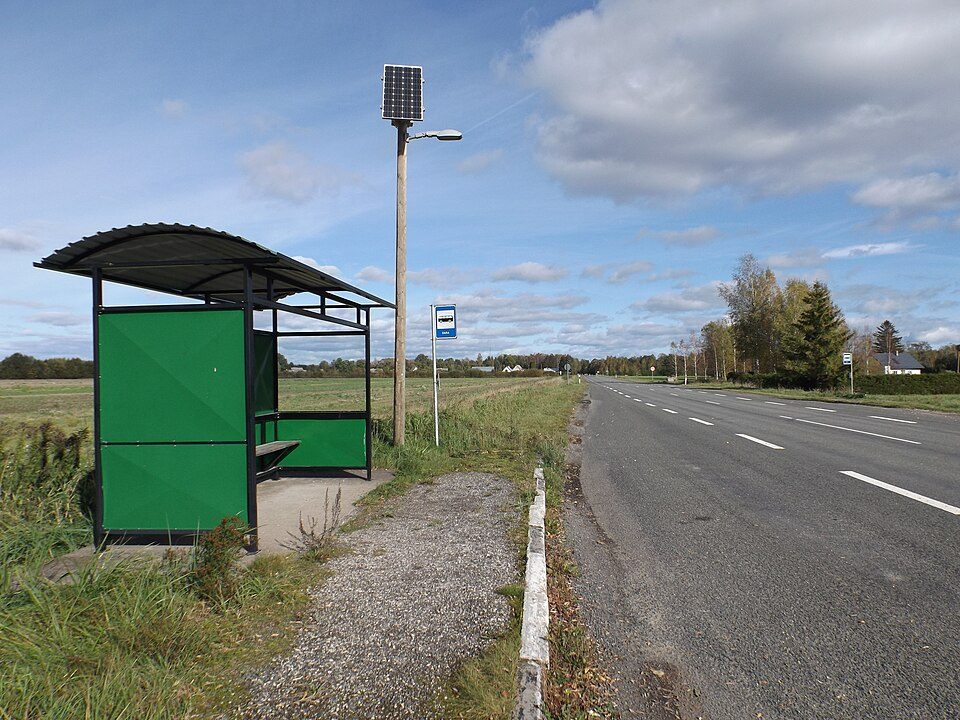
Oara, New Zealand: A Singular Connection
Oara, New Zealand, is a lesser-known landing point in the country's extensive submarine cable network, hosting the Aqualink cable since its activation in 2001. While it may not boast the multiple connections seen in hubs like Auckland or New Plymouth, Oara plays a distinct role in the domestic connectivity landscape, linking smaller communities to larger urban centers.The Aqualink Cable: Stitching New Zealand Together
The Aqualink cable is a domestic network that connects 11 landing points across New Zealand, including major cities like Auckland, Wellington, and Christchurch, as well as smaller towns such as Raglan and Kaikoura. Oara's inclusion in this chain underscores its role in ensuring that even less prominent locations remain part of the country's digital fabric. Unlike international cables that link New Zealand to the world, Aqualink focuses entirely on domestic connectivity, making it a key piece of infrastructure for regional communication.Regional Context: Oara's Place Among Peers
New Zealand's submarine cable infrastructure spans 20 landing points, hosting a total of 10 cables. Oara, with just one cable, ranks in the top 75% of these landing points by cable count. In comparison, hubs like Auckland host three cables, while other regional peers such as Raglan and New Plymouth each host two. Despite its modest setup, Oara benefits from its inclusion in the Aqualink chain, ensuring connectivity to larger cities and other regional points.Latency Insights: Reliable Domestic Performance
GeoCables' latency measurements reveal that Oara performs consistently well in terms of round-trip times. Across 33 completed checks from 11 source cities, the average latency to Oara is 265 milliseconds, with the best observed time being an impressive 36 milliseconds. These numbers highlight the efficiency of the Aqualink cable in maintaining steady communication speeds, even for smaller landing points like Oara.Connectivity's Role in Oara
While Oara may not be a bustling urban center, its inclusion in the Aqualink cable network ensures that it remains connected to New Zealand's broader digital ecosystem. This connectivity supports local industries, education, and communication, tying the village to larger hubs across the country. For a place with just one cable, Oara exemplifies how even smaller landing points contribute to the seamless operation of a national network.Conclusion
Oara, New Zealand, may not stand out for its size or cable count, but its role in the Aqualink network is significant. By linking this small landing point to 10 others across the country, the cable ensures that Oara remains connected to New Zealand's domestic infrastructure. Reliable latency performance further underscores its importance, proving that even modest landing points can play a meaningful role in the nation's connectivity landscape.What next: Oara, New Zealand in the global directory of cable landing points; see surrounding routes on the interactive submarine cable map or follow live network monitoring.
Other Landing Points in New Zealand
NZ Auckland, New Zealand
36.8842°S 174.7704°E
NZ Christchurch, New Zealand
43.5321°S 172.6362°E
NZ Fighting Bay, New Zealand
41.3390°S 174.2360°E
NZ Greymouth, New Zealand
42.4667°S 171.2000°E
NZ Invercargill, New Zealand
46.4131°S 168.3475°E
NZ Kaikoura, New Zealand
42.4027°S 173.6830°E
NZ Levin, New Zealand
40.6253°S 175.2853°E
NZ Mangawhai, New Zealand
36.1262°S 174.5745°E
NZ Nelson, New Zealand
41.2723°S 173.2840°E
NZ New Plymouth, New Zealand
39.0667°S 174.0833°E
NZ Oteranga Bay, New Zealand
41.3016°S 174.6134°E
NZ Paraparaumu, New Zealand
40.9191°S 174.9975°E
Landing Point
- CountryNZ New Zealand
- Coordinates42.5161°S 173.5061°E
- Connected Cables1
See Real Cable Routes
View actual submarine cable routing from Oara, New Zealand - with backbone nodes, distance calculations, and latency estimates
Open Calculator →
Submarine cables
Land fiber
Live probes