Mangawhai, New Zealand
Точка выхода · NZ New Zealand
Подключённые кабели
| Кабель | Статус |
|---|---|
| Hawaiki | Активен |
Живые измерения
RTT-измерения до этой точки с 2026-03-02 по 2026-07-24 - живой ICMP round-trip через наши зонды. Пересчитывается ежедневно. ✓ За период мониторинга аномалии не зафиксированы.
Источники измерений
| Проба | Локация | Замеров | Средн. |
|---|---|---|---|
| наш зонд | Minsk BY | 12 | 315.9 ms |
| наш зонд | Almaty KZ | 10 | 369.1 ms |
| наш зонд | Tbilisi GE | 10 | 338.9 ms |
| #6427 наш зонд | Sydney AU | 3 | 43.6 ms |
| #6487 | control probe | 3 | 130.3 ms |
| наш зонд | Odessa UA | 3 | 320.1 ms |
| #7062 наш зонд | Cape Town ZA | 2 | 380.7 ms |
| наш зонд | Jerusalem IL | 2 | 339.4 ms |
| наш зонд | Sevastopol UA | 1 | 346.0 ms |
Описание Mangawhai, New Zealand
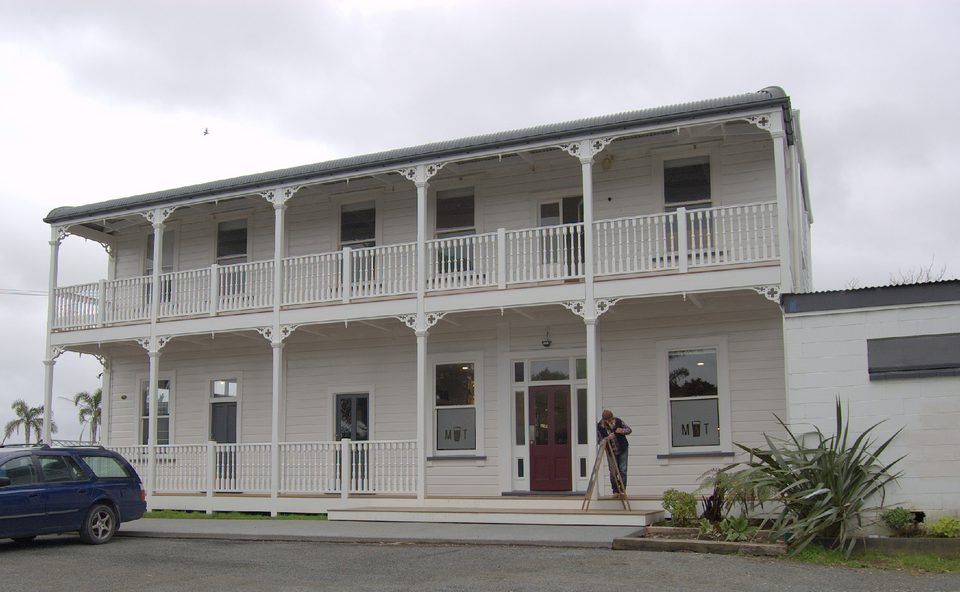
Мангавай, Новая Зеландия: точка приземления подводного кабеля
Мангавай - это небольшой городок в регионе Нортленд, Новая Зеландия, расположенный на юго-западной оконечности гавани Мангавай на Северном острове страны. Несмотря на свои скромные размеры как прибрежного поселения, Мангавай служит точкой приземления подводного кабеля, соединяющего Новую Зеландию с одной из основных транстихоокеанских кабельных систем региона. Здесь приземляется один подводный кабель, который напрямую связывает Новую Зеландию с коридором, охватывающим Тихий океан и достигающим берегов Соединённых Штатов.
Кабель, приземляющийся в Мангавае, - это система Hawaiki, транстихоокеанский маршрут, соединяющий Новую Зеландию с Австралией, Американским Самоа, Тонга и Соединёнными Штатами. Система Hawaiki делает Мангавай частью одного из самых протяжённых маршрутов подводных кабелей, проходящих через Новую Зеландию, общей длиной около 14,000 километров через Тихий океан. Это позиционирует Мангавай как часть межконтинентального коридора, связывающего Океанию с Северной Америкой.
Кабели, приземляющиеся в Мангавае
Система Hawaiki, которая была введена в эксплуатацию в 2018 году, имеет длину 14,000 километров и соединяет Мангавай с рядом стран по всему Тихому океану. Помимо Новой Зеландии, кабель Hawaiki приземляется в Австралии, Американском Самоа, Тонга и Соединённых Штатах. Это делает его одним из ключевых транстихоокеанских маршрутов в южной и центральной части Тихого океана, обеспечивая прямую связь между Австралазией и Северной Америкой с остановками на островных территориях.
Региональный контекст
В рамках инфраструктуры подводных кабелей Новой Зеландии - которая включает 10 кабелей и 20 точек приземления - Мангавай принимает один кабель, что ставит его в один ряд с Крайстчерчем как точку приземления одного кабеля. Для сравнения, Окленд лидирует внутри страны с тремя кабелями, в то время как Нью-Плимут, Раглан, Такапуна и Венуапай принимают по два кабеля. Мангавай входит в топ-75 процентов точек приземления Новой Зеландии по количеству кабелей, отражая его участие в значимой международной системе, несмотря на меньший масштаб по сравнению с крупными городскими узлами.
Роль в сети
Мангавай функционирует как терминал одного кабеля, обеспечивая новозеландский конец транстихоокеанской системы Hawaiki. Благодаря этому соединению городок участвует в маршруте, который охватывает Австралазию, центральную часть Тихого океана и Соединённые Штаты, с дополнительными связями, проходящими через Американское Самоа и Тонга. Протяжённость кабеля Hawaiki в 14,000 километров означает, что Мангавай, хотя и находится географически далеко от основных городских центров Новой Зеландии, служит уникальной географической точкой входа транстихоокеанского трафика в страну.
В более широкой сети подводных кабелей Тихого океана наличие отдельной точки приземления в Мангавае - отдельно от группы кабелей в Окленде - распределяет международную кабельную инфраструктуру Новой Зеландии вдоль побережья Нортленда. Такое географическое распределение между несколькими точками приземления является характерной чертой того, как сети подводных кабелей обслуживают крупные островные государства, гарантируя, что международная связь не концентрируется исключительно в одном прибрежном месте.
Что дальше: Mangawhai, New Zealand в каталоге точек приземления кабелей; маршруты вокруг - на интерактивной карте, события сети - на живом мониторинге.
Другие точки выхода в New Zealand
Точка выхода
- СтранаNZ New Zealand
- Координаты36.1262°S 174.5745°E
- Подключённые кабели1
Реальные маршруты кабелей
Посмотрите маршруты подводных кабелей от Mangawhai, New Zealand - с узлами, расчётом расстояний и оценкой задержки
Открыть калькулятор →