Kaimana, Indonesia
Landing Point · ID Indonesia
Connected Cables
| Cable | Status |
|---|---|
| SMPCS Packet-2 | Active |
Live Performance
RTT measurements to this landing point from 2026-03-26 through 2026-10-16 - live ICMP round-trip time via our monitoring probes. Recomputed daily. ✓ No anomalies detected in the monitored period.
Measurement sources
| Probe | Location | Samples | Avg |
|---|---|---|---|
| own probe | Almaty KZ | 12 | 298.6 ms |
| #6410 own probe | Sao Paulo BR | 8 | 367.2 ms |
| #6427 own probe | Sydney AU | 8 | 126.6 ms |
| #7062 own probe | Cape Town ZA | 8 | 314.3 ms |
| #6487 | control probe | 7 | 18.3 ms |
| own probe | Minsk BY | 4 | 262.1 ms |
| own probe | Tbilisi GE | 4 | 297.5 ms |
| own probe | Jerusalem IL | 4 | 266.9 ms |
| own probe | Moscow RU | 2 | 203.9 ms |
| #6568 own probe | Singapore SG | 1 | 53.5 ms |
| own probe | Sevastopol UA | 1 | 232.7 ms |
About Kaimana, Indonesia
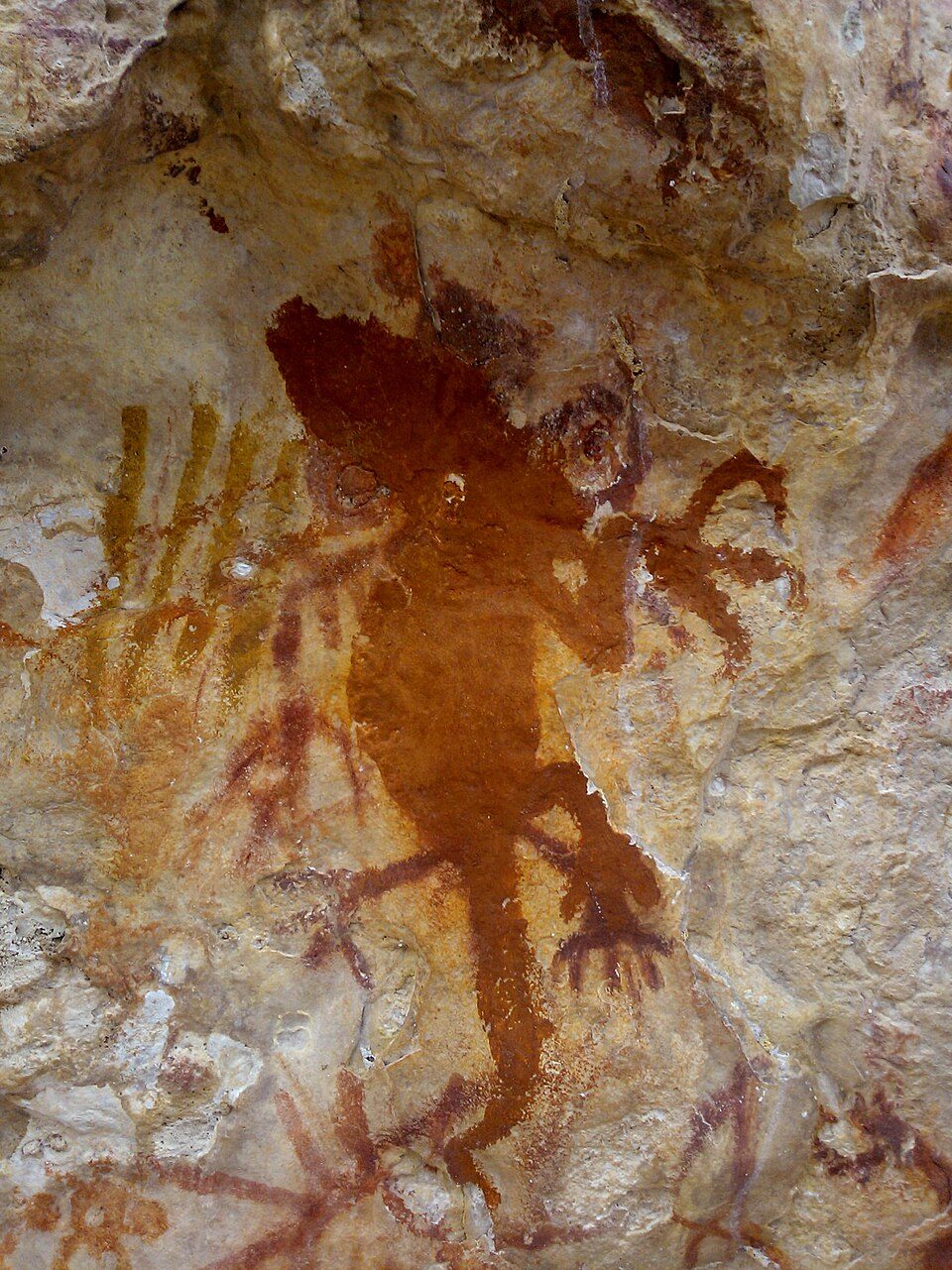
Kaimana: Submarine Cable Landing Point
Kaimana is a small port town and the capital of Kaimana Regency, located in West Papua, Indonesia. Situated on the eastern reaches of the Indonesian archipelago, it serves as a submarine cable landing point connecting it to Indonesia's broader domestic cable network. One submarine cable currently lands at Kaimana, linking the town to other points within Indonesia through an intra-national corridor.
The single cable serving Kaimana is the SMPCS Packet-2, a domestic system that spans 3,498 kilometres and connects multiple Indonesian locations. For a town of Kaimana's scale, with a population of around 16,718 in mid-2022, the presence of even one submarine cable represents a tangible connection to the national telecommunications grid through undersea infrastructure.
Cables Landing at Kaimana
SMPCS Packet-2 is a 3,498-kilometre submarine cable system that reached ready-for-service status in 2015, initially listed as a draft system. It connects landing points entirely within Indonesia, making it a purely domestic cable. Kaimana is one of the Indonesian endpoints on this system, placing the town within a chain of Indonesian locations served by this cable. No additional technical specifications beyond its length and RFS year are associated with this system in available records.
Regional Context
Within Indonesia's submarine cable landscape, which encompasses 70 cables across 139 landing points, Kaimana ranks among the more lightly served locations. Major Indonesian hubs such as Batam, which hosts 20 cables, and Jakarta and Tanjung Pakis, each hosting 9 cables, handle significantly higher volumes of cable traffic. Kaimana's single cable places it in the upper 62% of Indonesian landing points by cable count, reflecting its role as a local access point rather than a regional aggregation hub.
Network Role
Kaimana functions as a single-cable terminus on the SMPCS Packet-2 system, a domestic Indonesian cable that draws together several locations across the archipelago. Rather than serving as a transit or aggregation node, Kaimana represents an endpoint in this intra-national corridor, receiving connectivity from a cable that spans nearly 3,500 kilometres along Indonesian waters. The 2015 RFS date of its only cable means Kaimana entered Indonesia's submarine cable map relatively recently compared to the country's first cable in 2003.
In the broader Indonesian submarine cable graph, Kaimana illustrates the role of smaller, eastern Indonesian towns that are reached through dedicated domestic cable systems rather than through the large intercontinental routes that concentrate around western hubs such as Batam and Jakarta. Its presence on SMPCS Packet-2 places West Papua within a nationally oriented submarine cable structure designed to extend connectivity across one of the world's most geographically dispersed archipelagos.
What next: Kaimana, Indonesia in the global directory of cable landing points; see surrounding routes on the interactive submarine cable map or follow live network monitoring.
Other Landing Points in Indonesia
Landing Point
- CountryID Indonesia
- Coordinates3.6794°S 133.7915°E
- Connected Cables1
See Real Cable Routes
View actual submarine cable routing from Kaimana, Indonesia - with backbone nodes, distance calculations, and latency estimates
Open Calculator →