Pigeon Point, Trinidad and Tobago
Landing Point · TT Trinidad and Tobago
1
Connected Cables
TT
Country
11.17°
Latitude
60.84°
Longitude
Ctrl + Scroll to zoom
Connected Cables
| Cable | Status |
|---|---|
| TT1 | Active |
Live Performance
37
measurements
14
probes
165
days monitored
152.6
ms avg RTT
0
anomalies
RTT measurements to this landing point from 2026-04-17 through 2026-09-30 - live ICMP round-trip time via our monitoring probes. Recomputed daily. ✓ No anomalies detected in the monitored period.
Measurement sources
| Probe | Location | Samples | Avg |
|---|---|---|---|
| own probe | Minsk BY | 7 | 125.3 ms |
| #6410 own probe | Sao Paulo BR | 5 | 129.6 ms |
| #6427 own probe | Sydney AU | 5 | 203.1 ms |
| #6487 | control probe | 4 | 235.6 ms |
| own probe | Saint Petersburg RU | 3 | 150.3 ms |
| own probe | Almaty KZ | 2 | 183.5 ms |
| own probe | Tbilisi GE | 2 | 140.7 ms |
| own probe | Jerusalem IL | 2 | 144.3 ms |
| own probe | Kyiv UA | 2 | 127.0 ms |
| #6393 | control probe | 1 | 77.4 ms |
| #18923 | control probe | 1 | 97.3 ms |
| #52908 | control probe | 1 | 57.6 ms |
| own probe | Sevastopol UA | 1 | 161.4 ms |
| own probe | Moscow RU | 1 | 127.0 ms |
About Pigeon Point, Trinidad and Tobago
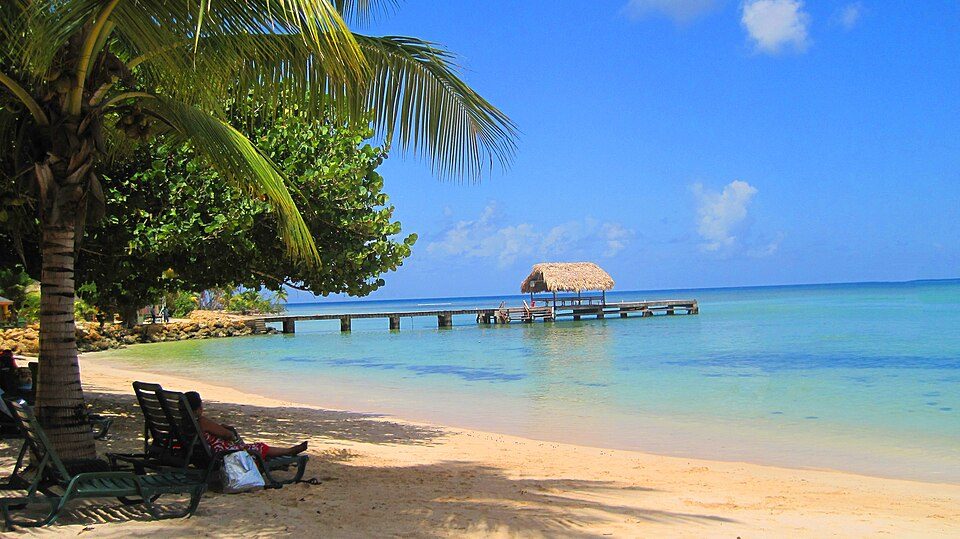
Pigeon Point: A Scenic Landing Point with a Single Cable
Pigeon Point, located on the island of Tobago in Trinidad and Tobago, is renowned for its stunning natural beauty. Often referred to as Pigeon Point Heritage Park, this area is celebrated for its pristine white sand beaches, aquamarine waters, and the iconic thatch-roofed jetty that has become a symbol of Tobago. While it serves as a popular destination for tourists seeking relaxation and water sports, it also plays a modest but important role in the nation's submarine cable infrastructure.Connectivity Through TT1
Pigeon Point hosts a single submarine cable, TT1, which became operational in 2015. This domestic cable spans 44 km and connects Pigeon Point to Toco, another landing point on Trinidad's northeastern coast. TT1 does not extend internationally, making it a purely domestic link. Its primary role is to ensure connectivity between Tobago and Trinidad, facilitating local communication and data exchange between the two islands. This setup contrasts sharply with other landing points in Trinidad and Tobago. Chaguaramas, located on Trinidad’s western coast, is a hub for international connectivity, hosting five cables that link the country to global networks. Rockly Bay, also on Tobago, hosts one cable like Pigeon Point, while Toco shares TT1 with Pigeon Point but does not host additional cables. Despite its modest infrastructure, Pigeon Point contributes to the broader network that stitches together Trinidad and Tobago’s islands.Latency Insights from GeoCables
GeoCables' latency measurements provide a unique perspective on Pigeon Point’s connectivity performance. With 35 completed checks from 11 source cities, the average round-trip latency to this landing point is 163 ms, with the best observed latency at 123 ms. These figures reflect the cable’s role in facilitating reliable communication within the country, albeit without the high-speed international links found at other landing points.A Balance of Beauty and Connectivity
While Pigeon Point is primarily known as a tourist destination, its role in the national cable network underscores the importance of reliable domestic connectivity for Tobago. TT1 ensures that the island remains linked to Trinidad, supporting local businesses, tourism operations, and residents who rely on stable communication channels. Though modest in scale compared to other landing points in Trinidad and Tobago, Pigeon Point’s cable infrastructure complements its reputation as a serene and picturesque locale. For visitors enjoying the sun-soaked beaches and turquoise waters, the connectivity provided by TT1 might go unnoticed-but it quietly supports the operations of the island’s tourism industry, from booking systems to communication with mainland suppliers. Pigeon Point is a place where natural beauty and essential infrastructure coexist, making it a unique and intriguing landing point in Trinidad and Tobago’s submarine cable network.What next: Pigeon Point, Trinidad and Tobago in the global directory of cable landing points; see surrounding routes on the interactive submarine cable map or follow live network monitoring.
Other Landing Points in Trinidad and Tobago
Landing Point
- CountryTT Trinidad and Tobago
- Coordinates11.1654°N 60.8403°W
- Connected Cables1
See Real Cable Routes
View actual submarine cable routing from Pigeon Point, Trinidad and Tobago - with backbone nodes, distance calculations, and latency estimates
Open Calculator →
Submarine cables
Land fiber
Live probes