Mo I Rana, Norway
Landing Point · NO Norway
1
Connected Cables
NO
Country
66.31°
Latitude
14.14°
Longitude
Ctrl + Scroll to zoom
Connected Cables
| Cable | Status |
|---|---|
| Tverrlinken | Active |
Live Performance
41
measurements
9
probes
145
days monitored
110.0
ms avg RTT
0
anomalies
RTT measurements to this landing point from 2026-05-06 through 2026-09-28 - live ICMP round-trip time via our monitoring probes. Recomputed daily. ✓ No anomalies detected in the monitored period.
Measurement sources
| Probe | Location | Samples | Avg |
|---|---|---|---|
| own probe | Minsk BY | 8 | 45.3 ms |
| own probe | Moscow RU | 8 | 34.0 ms |
| #6410 own probe | Sao Paulo BR | 6 | 238.3 ms |
| #6427 own probe | Sydney AU | 6 | 288.3 ms |
| own probe | Saint Petersburg RU | 5 | 22.2 ms |
| own probe | Almaty KZ | 2 | 97.5 ms |
| own probe | Tbilisi GE | 2 | 81.1 ms |
| own probe | Jerusalem IL | 2 | 75.4 ms |
| own probe | Kyiv UA | 2 | 47.7 ms |
About Mo I Rana, Norway
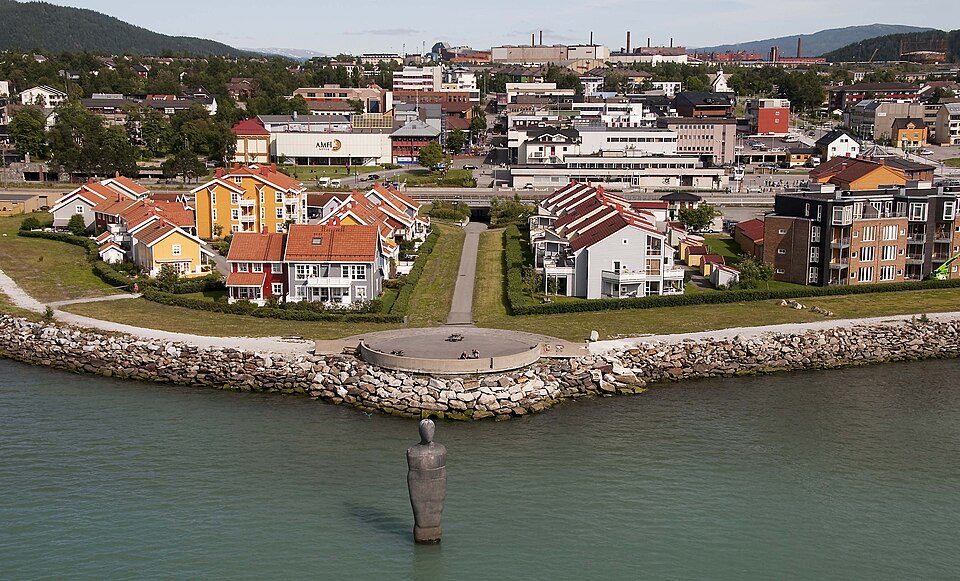
Mo i Rana: A Northern Link in Norway's Submarine Cable Network
Mo i Rana, located in the Helgeland region of Nordland county, Norway, is a city just south of the Arctic Circle. Known for its dramatic landscapes and proximity to fjords, Mo i Rana also plays a modest yet significant role in Norway's submarine cable infrastructure. While it hosts only one cable, Tverrlinken, this landing point is part of a domestic chain that stitches together several communities in the region.The Tverrlinken Cable: Connecting Coastal Communities
The Tverrlinken cable, operational since 2010, is a domestic submarine cable that connects Mo i Rana to three other landing points: Hemnesberget, Nesna, and Utskarpen. Unlike Norway's larger hubs such as Kristiansand (7 cables) or Stavanger (4 cables), Mo i Rana's connectivity is focused on regional links rather than international reach. This makes the city a critical node for local communication and data exchange in northern Norway. The cable's design reflects the needs of the Helgeland region, where rugged terrain and scattered settlements make terrestrial infrastructure challenging. By linking Mo i Rana to nearby towns, Tverrlinken ensures reliable connectivity for local businesses, public services, and residents. While it does not extend beyond Norway's borders, its role in maintaining regional cohesion is clear.Regional Positioning: A Single Cable in a Networked Nation
Norway's submarine cable network is extensive, with 18 cables landing across 43 points. Mo i Rana ranks in the top 74% of these landing points by cable count, hosting one of the shorter domestic cables in the system. In contrast, larger cities like Bergen and Bodø each host three cables, reflecting their roles as hubs for both domestic and international connectivity. Despite its modest infrastructure, Mo i Rana's position in the chain is noteworthy. The city acts as a stepping stone for data traveling between smaller communities in Nordland, ensuring that even remote areas benefit from reliable communication. This regional focus contrasts with the international ambitions of landing points like Kristiansand, which serve as gateways to Europe.Latency Insights: Fast and Reliable Connectivity
GeoCables' latency measurements from Mo i Rana reveal an average round-trip time of 81 ms, with the best observed latency at 22 ms. These figures highlight the efficiency of the Tverrlinken cable in serving local needs. While the cable does not handle international traffic, its performance ensures swift data transfer within Norway, supporting everything from municipal operations to local businesses.Mo i Rana's Role in the Helgeland Region
Mo i Rana is more than just a landing point for submarine cables. As the administrative center of Rana Municipality, it is a hub for the surrounding region, offering services and infrastructure to nearby towns and villages. Its location near the Arctic Circle adds a unique dimension to its connectivity needs, as the city balances its remote geography with the demands of modern communication. The Tverrlinken cable may not be the largest or most ambitious in Norway's network, but its presence in Mo i Rana underscores the importance of regional links in a country defined by its rugged coastline and dispersed communities. For the residents of Mo i Rana and the Helgeland region, this single cable is a quiet yet dependable thread tying their communities together.What next: Mo I Rana, Norway in the global directory of cable landing points; see surrounding routes on the interactive submarine cable map or follow live network monitoring.
Other Landing Points in Norway
NO Åheim, Norway
62.0360°N 5.5223°E
NO Ålesund, Norway
62.4715°N 6.1744°E
NO Andalsnes, Norway
62.5658°N 7.6816°E
NO Arendal, Norway
58.4700°N 8.7587°E
NO Bergen, Norway
60.3907°N 5.3328°E
NO Bodø, Norway
67.2860°N 14.4001°E
NO Breivika, Norway
68.7350°N 16.5532°E
NO Brekstad, Norway
63.6884°N 9.6631°E
NO Brønnøysund, Norway
65.4736°N 12.2077°E
NO Bunnefjorden, Norway
59.7163°N 10.7134°E
NO Drøbak, Norway
59.6645°N 10.6308°E
NO Edøya, Norway
63.3010°N 8.0934°E
Landing Point
- CountryNO Norway
- Coordinates66.3137°N 14.1420°E
- Connected Cables1
See Real Cable Routes
View actual submarine cable routing from Mo I Rana, Norway - with backbone nodes, distance calculations, and latency estimates
Open Calculator →
Submarine cables
Land fiber
Live probes