Manzanillo, Mexico
Landing Point · MX Mexico
Connected Cables
| Cable | Status |
|---|---|
| Lazaro Cardenas-Manzanillo Santiago Submarine Cable System (LCMSSCS) | Active |
Live Performance
RTT measurements to this landing point from 2026-03-08 through 2026-10-13 - live ICMP round-trip time via our monitoring probes. Recomputed daily. ✓ No anomalies detected in the monitored period.
Measurement sources
| Probe | Location | Samples | Avg |
|---|---|---|---|
| own probe | Minsk BY | 12 | 166.7 ms |
| #6410 own probe | Sao Paulo BR | 7 | 58.8 ms |
| #7062 own probe | Cape Town ZA | 7 | 272.9 ms |
| own probe | Moscow RU | 6 | 172.7 ms |
| #6487 | control probe | 5 | 189.0 ms |
| own probe | Almaty KZ | 5 | 216.4 ms |
| own probe | Tbilisi GE | 5 | 180.1 ms |
| own probe | Jerusalem IL | 3 | 173.9 ms |
| own probe | Saint Petersburg RU | 3 | 183.3 ms |
| #25182 | control probe | 2 | 86.1 ms |
| #1017123 | control probe | 2 | 45.2 ms |
| #6568 own probe | Singapore SG | 1 | 226.5 ms |
| #1013807 | control probe | 1 | 27.4 ms |
| own probe | Sevastopol UA | 1 | 198.2 ms |
| #1017127 | control probe | 1 | 10.2 ms |
About Manzanillo, Mexico
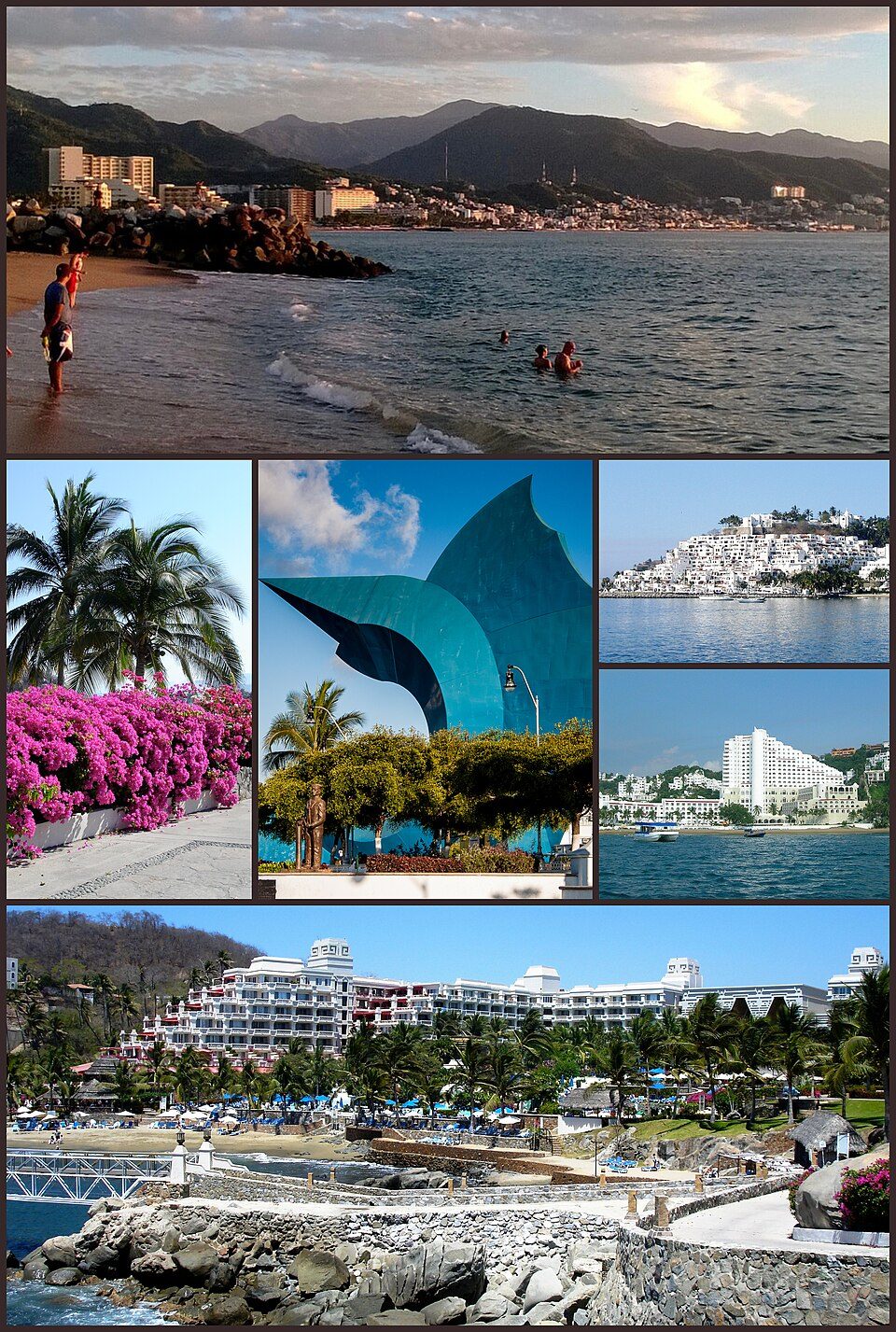
Manzanillo, Mexico: Submarine Cable Landing Point
Manzanillo is a Pacific coast city in the Mexican state of Colima, known for hosting one of Mexico's most active commercial ports. As a submarine cable landing point, Manzanillo connects to the national undersea cable network through one system: the Lazaro Cardenas-Manzanillo Santiago Submarine Cable System (LCMSSCS). This cable links Manzanillo to other points along Mexico's Pacific coastline, forming a domestic corridor rather than an international or intercontinental route.
With a single cable landing, Manzanillo occupies a focused but defined position within Mexico's broader submarine cable geography. The country hosts 12 submarine cables across 14 landing points, and Manzanillo's single-cable status places it among the lower tier of Mexican landing points by cable count, ranking in the top 86% of the country's 14 landing points. The LCMSSCS, ready for service in 2013, represents a domestic connectivity asset serving the Pacific coast region of Mexico.
Cables Landing at Manzanillo
The Lazaro Cardenas-Manzanillo Santiago Submarine Cable System (LCMSSCS) is the sole submarine cable landing at Manzanillo. Spanning 322 kilometres and entering service in 2013, this cable connects locations entirely within Mexico. Its name references two of its key termination points - Ciudad Lázaro Cárdenas and Manzanillo - along with Santiago, tracing a route along Mexico's Pacific coast. As a domestic system, it does not provide direct links to foreign countries but instead serves to interconnect Mexican coastal communities and infrastructure along this stretch of the Pacific shoreline.
Regional Context
Within Mexico's landing point network, Manzanillo sits alongside several other Pacific and Caribbean coastal nodes. Cancún leads the country with six cables, while Mazatlán serves as a two-cable hub. Manzanillo shares its single-cable status with Ciudad Lázaro Cárdenas, Isla de Cozumel, Ixtapa-Zihuatanejo, and La Paz - all of which also host one submarine cable each. This places Manzanillo in a grouping of smaller, more specialised landing points that complement the higher-capacity hubs elsewhere in the country.
Network Role
Manzanillo functions as a single-cable terminus within Mexico's domestic Pacific submarine cable network. The LCMSSCS connects it to other Mexican coastal points, supporting intra-national data and communications routing along the Pacific seaboard. Rather than serving as a gateway to international cable systems, Manzanillo's submarine cable infrastructure is oriented toward regional domestic connectivity.
In the wider Mexican submarine cable graph, Manzanillo's role is that of a specialised domestic node. Its presence in the network ensures that the Pacific coast of Colima state has a direct submarine cable link to other Mexican landing points, complementing the broader set of international and domestic cables distributed across Mexico's 14 landing points.
What next: Manzanillo, Mexico in the global directory of cable landing points; see surrounding routes on the interactive submarine cable map or follow live network monitoring.
Other Landing Points in Mexico
Landing Point
- CountryMX Mexico
- Coordinates19.0858°N 104.3082°W
- Connected Cables1
See Real Cable Routes
View actual submarine cable routing from Manzanillo, Mexico - with backbone nodes, distance calculations, and latency estimates
Open Calculator →