Isla de Cozumel, Mexico
Landing Point · MX Mexico
Connected Cables
| Cable | Status |
|---|---|
| Ixchel | Active |
Live Performance
RTT measurements to this landing point from 2026-04-06 through 2026-10-14 - live ICMP round-trip time via our monitoring probes. Recomputed daily. ✓ No anomalies detected in the monitored period.
Measurement sources
| Probe | Location | Samples | Avg |
|---|---|---|---|
| own probe | Minsk BY | 11 | 160.4 ms |
| #6410 own probe | Sao Paulo BR | 8 | 52.7 ms |
| #6427 own probe | Sydney AU | 7 | 252.2 ms |
| #6487 | control probe | 5 | 189.6 ms |
| own probe | Almaty KZ | 5 | 215.4 ms |
| own probe | Tbilisi GE | 4 | 177.0 ms |
| own probe | Jerusalem IL | 4 | 177.8 ms |
| own probe | Sevastopol UA | 3 | 204.8 ms |
| own probe | Saint Petersburg RU | 3 | 166.9 ms |
| own probe | Kyiv UA | 3 | 183.8 ms |
| #60714 | control probe | 2 | 106.6 ms |
| #65083 | control probe | 2 | 108.4 ms |
| #65562 | control probe | 2 | 39.1 ms |
| own probe | Moscow RU | 2 | 172.4 ms |
| #6568 own probe | Singapore SG | 1 | 226.6 ms |
About Isla de Cozumel, Mexico
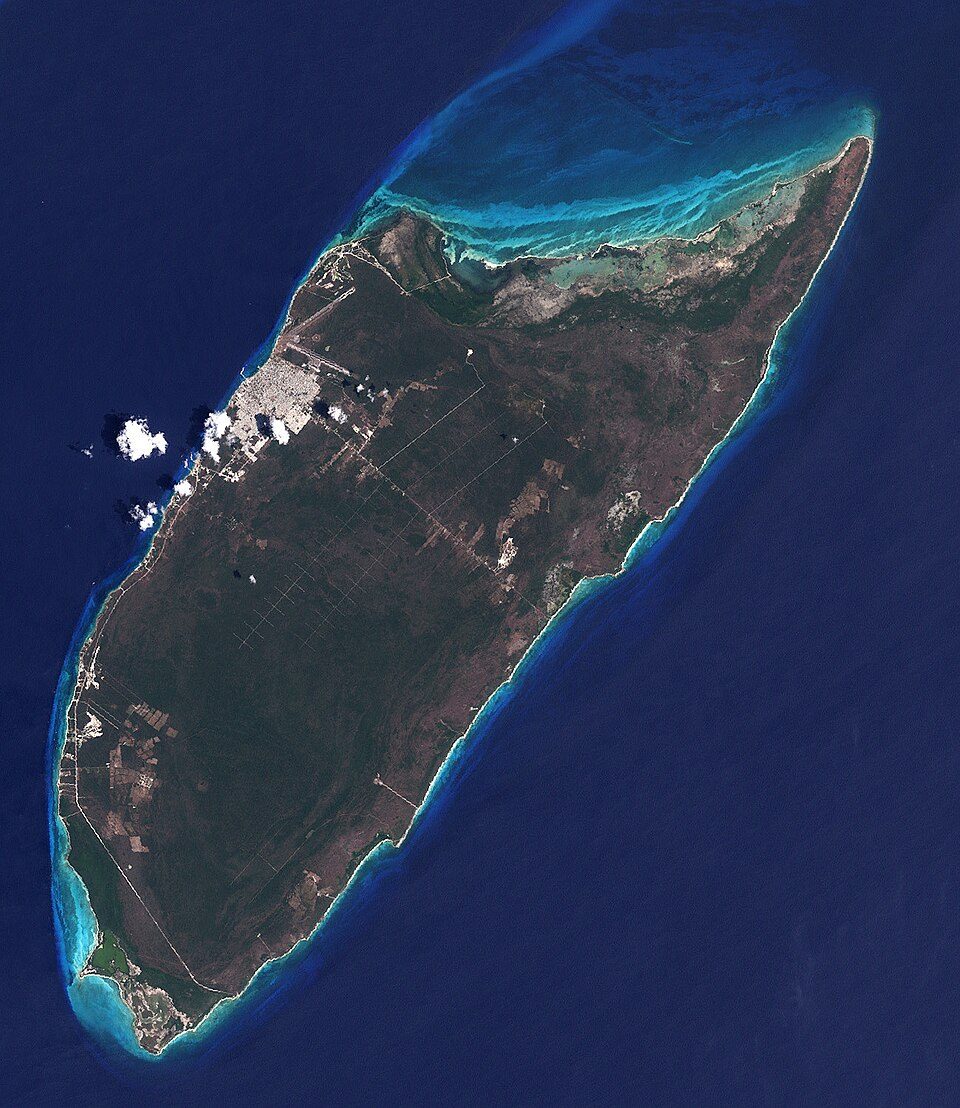
Isla de Cozumel: Submarine Cable Landing Point
Isla de Cozumel is an island municipality located in the Caribbean Sea off the eastern coast of Mexico's Yucatán Peninsula, in the state of Quintana Roo. Separated from the mainland by the Cozumel Channel, the island sits close to the Yucatán Channel and lies opposite Playa del Carmen. As a submarine cable landing point, Isla de Cozumel hosts one submarine cable connection, placing it among Mexico's less densely connected coastal termini while still forming part of the country's broader undersea network.
The single cable landing here is the Ixchel system, a short intra-national link that connects Isla de Cozumel with another point on Mexican territory. Rather than spanning intercontinental distances, this cable serves a regional, inter-island corridor, reflecting the island's geographic separation from the Mexican mainland and its need for dedicated undersea connectivity.
Cables Landing at Isla de Cozumel
The Ixchel cable is the sole submarine cable landing at Isla de Cozumel. Measuring 20 km in length, it reached ready-for-service status in 2007 and remains in draft status. The cable connects exclusively between points within Mexico, making it a domestic intra-national system. At 20 km, Ixchel is notably shorter than Mexico's national average cable length of 5,119 km, underscoring its role as a short-haul link rather than a long-distance international system.
Regional Context
Within Mexico's submarine cable landscape, which spans 12 cables across 14 landing points, Isla de Cozumel sits at the lower end of the connectivity spectrum, hosting just one cable. By comparison, Cancún - the most connected landing point in Mexico - hosts six cables, while Mazatlán hosts two. Isla de Cozumel shares its single-cable status with several other Mexican landing points, including Ciudad Lázaro Cárdenas, Ixtapa-Zihuatanejo, La Paz, and Manzanillo.
Network Role
Isla de Cozumel functions as a single-cable terminus within Mexico's submarine cable graph, served exclusively by the short domestic Ixchel system. The cable's 20 km span enables direct undersea connectivity between the island and another Mexican location, supporting the island's telecommunications requirements without relying solely on over-air or mainland terrestrial routing. This makes Isla de Cozumel a self-contained domestic endpoint rather than a transit or hub node.
In the broader Mexican submarine cable network, Isla de Cozumel represents the type of island-specific deployment that addresses geographic isolation: a short, purpose-built domestic link connecting an island community to the national network. Its presence in the submarine cable map illustrates how undersea infrastructure extends to serve insular territories that cannot be reached by conventional terrestrial means.
What next: Isla de Cozumel, Mexico in the global directory of cable landing points; see surrounding routes on the interactive submarine cable map or follow live network monitoring.
Other Landing Points in Mexico
Landing Point
- CountryMX Mexico
- Coordinates20.4286°N 86.8792°W
- Connected Cables1
See Real Cable Routes
View actual submarine cable routing from Isla de Cozumel, Mexico - with backbone nodes, distance calculations, and latency estimates
Open Calculator →