Heraklion, Greece
Landing Point · GR Greece
Connected Cables
| Cable | Status |
|---|---|
| Thetis Express | Planned |
Live Performance
RTT measurements to this landing point from 2026-04-11 through 2026-10-08 - live ICMP round-trip time via our monitoring probes. Recomputed daily. ✓ No anomalies detected in the monitored period.
Measurement sources
| Probe | Location | Samples | Avg |
|---|---|---|---|
| own probe | Jerusalem IL | 8 | 99.5 ms |
| #6410 own probe | Sao Paulo BR | 5 | 252.4 ms |
| #6427 own probe | Sydney AU | 5 | 283.2 ms |
| own probe | Tbilisi GE | 4 | 80.5 ms |
| own probe | Odessa UA | 4 | 88.1 ms |
| own probe | Almaty KZ | 3 | 108.7 ms |
| own probe | Balancer IL | 3 | 101.9 ms |
| own probe | Minsk BY | 2 | 50.5 ms |
| own probe | Sevastopol UA | 2 | 84.6 ms |
| own probe | Moscow RU | 2 | 60.6 ms |
| own probe | DVM IL | 1 | 100.0 ms |
About Heraklion, Greece
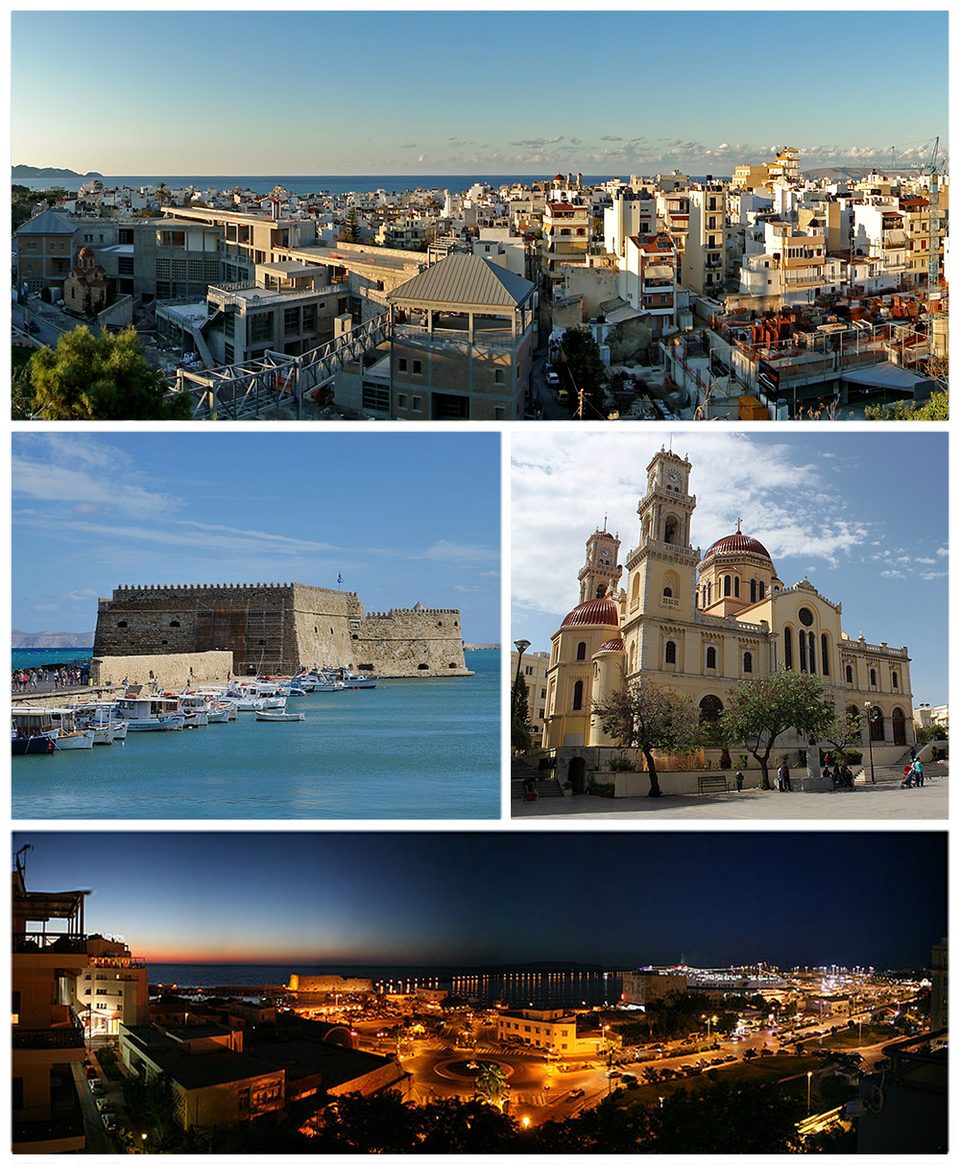
Heraklion, Greece: Submarine Cable Landing Point
Heraklion is the largest city on the island of Crete and the administrative capital of the Heraklion regional unit, situated on the northern coast of Greece's largest island in the eastern Mediterranean. As a coastal city, Heraklion serves as a landing point for submarine cable infrastructure connecting Crete to the broader Greek telecommunications network. One submarine cable lands at Heraklion, linking the city into an intra-Greek corridor that supports connectivity between different parts of the country.
The single cable landing here, Thetis Express, operates entirely within Greece, reflecting Heraklion's current role as a domestic connectivity node rather than an intercontinental gateway. With a route length of 340 kilometres, Thetis Express is a relatively compact system by Mediterranean standards, designed to serve regional connectivity needs within the Greek island and mainland network.
Cables Landing at Heraklion
Thetis Express is a 340-kilometre submarine cable system with a planned ready-for-service date of 2027, currently in draft status. The cable connects landing points entirely within Greece, providing a domestic submarine link. At 340 kilometres, it is considerably shorter than the average submarine cable landing in Greece, which spans approximately 2,663 kilometres, underscoring its intra-national character. As of its anticipated RFS year, Thetis Express will represent Heraklion's entry into the submarine cable infrastructure landscape.
Regional Context
Within Greece's submarine cable geography - which encompasses 20 submarine cables across 36 landing points - Heraklion currently hosts one cable, placing it in the lower tier of Greek landing points by cable count. Nearby peers such as Chania (5 cables), Athens (4 cables), and Tympaki (4 cables) host significantly more systems, while Mykonos and Naousa each host three. Heraklion ranks within the top 78 percent of Greek landing points by cable count, sharing the more modest end of the national distribution with a number of other single- or dual-cable nodes such as Aethos.
Network Role
Heraklion functions as a single-cable terminus in the Greek submarine cable network, with its connectivity role defined entirely by the Thetis Express system. Once Thetis Express reaches its 2027 RFS date, Heraklion will gain a dedicated submarine link operating within Greece, supplementing the island of Crete's broader connectivity. The cable's domestic routing means Heraklion contributes specifically to intra-Greek submarine capacity rather than to intercontinental or cross-regional paths.
In the wider submarine cable graph for Greece, Heraklion's position as a single-cable landing point on Crete's northern coast adds a distinct node to the archipelago-style domestic network that Greek submarine infrastructure increasingly supports, helping to distribute connectivity across the country's geographically dispersed islands and coastal communities.
What next: Heraklion, Greece in the global directory of cable landing points; see surrounding routes on the interactive submarine cable map or follow live network monitoring.
Other Landing Points in Greece
Landing Point
- CountryGR Greece
- Coordinates35.3384°N 25.1279°E
- Connected Cables1
See Real Cable Routes
View actual submarine cable routing from Heraklion, Greece - with backbone nodes, distance calculations, and latency estimates
Open Calculator →