Domburg, Netherlands
Landing Point · NL Netherlands
Connected Cables
| Cable | Status |
|---|---|
| Farland North | Active |
| IOEMA | Planned |
Live Performance
RTT measurements to this landing point from 2026-03-07 through 2026-10-15 - live ICMP round-trip time via our monitoring probes. Recomputed daily. ✓ No anomalies detected in the monitored period.
Measurement sources
| Probe | Location | Samples | Avg |
|---|---|---|---|
| #11036 | control probe | 182 | 47.7 ms |
| own probe | Minsk BY | 66 | 92.7 ms |
| #6427 own probe | Sydney AU | 54 | 291.8 ms |
| own probe | Moscow RU | 42 | 53.1 ms |
| own probe | Kyiv UA | 11 | 53.0 ms |
| own probe | Almaty KZ | 9 | 110.7 ms |
| own probe | Tbilisi GE | 9 | 79.0 ms |
| own probe | Jerusalem IL | 9 | 299.7 ms |
| own probe | Saint Petersburg RU | 4 | 63.6 ms |
| #6487 | control probe | 3 | 171.1 ms |
| own probe | Odessa UA | 2 | 60.2 ms |
| #6410 own probe | Sao Paulo BR | 1 | 202.7 ms |
About Domburg, Netherlands
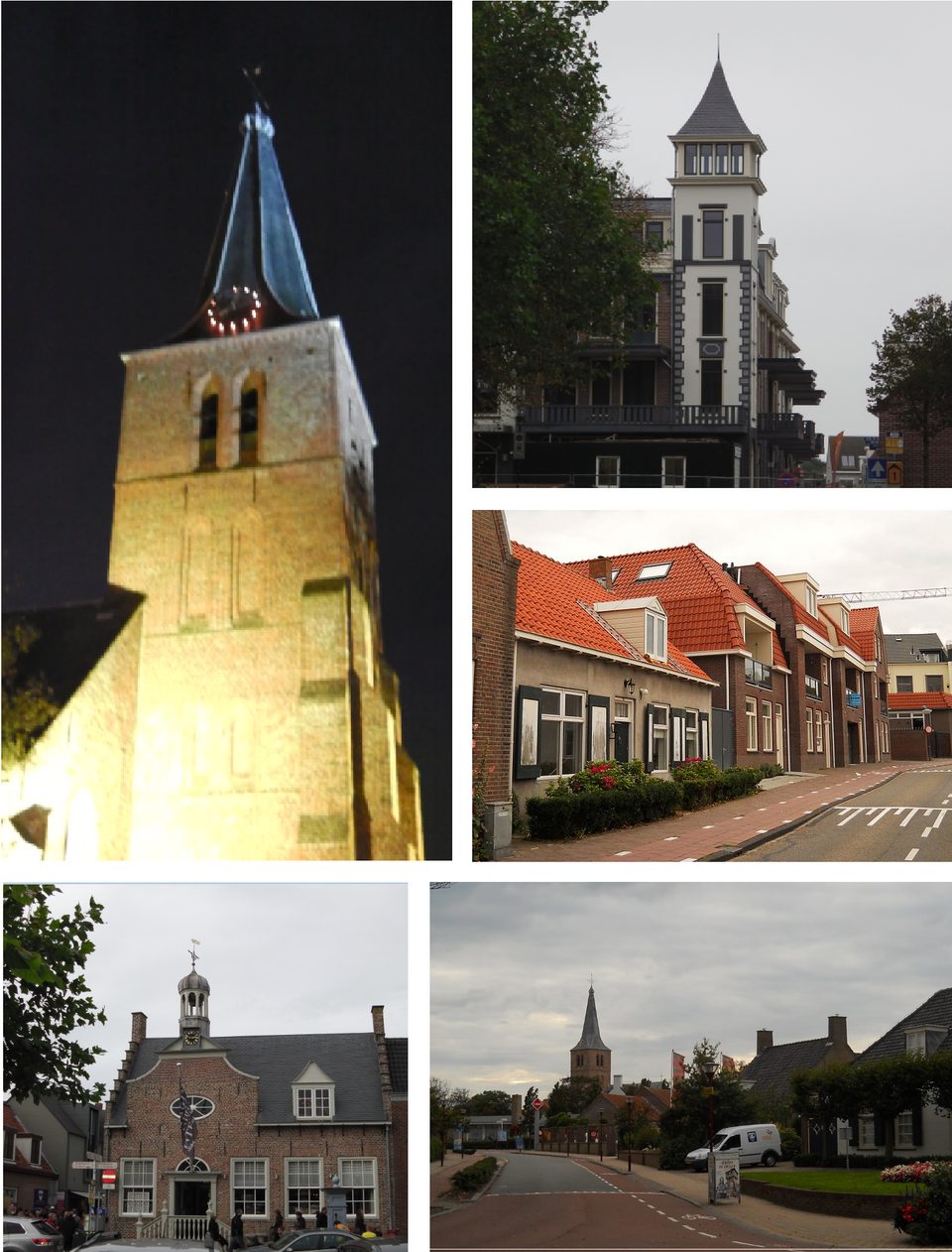
Domburg, Netherlands: Submarine Cable Landing Point
Domburg is a seaside resort situated on the North Sea coast, on the northwest tip of the Walcheren peninsula in the Dutch province of Zeeland, approximately 11 kilometres northwest of Middelburg. Its position on the open North Sea coastline makes it a natural landfall location for submarine cables crossing between the Netherlands and its northern European neighbours. Two submarine cables come ashore at Domburg, connecting the Netherlands to the United Kingdom and, through a broader North Sea system, to Germany, Denmark, and Norway.
The two cables landing at Domburg serve distinct purposes within the North Sea corridor. The shorter Farland North cable provides a direct link between the Netherlands and the United Kingdom, while the longer IOEMA system ties Domburg into a multinational North Sea network spanning five countries. Together, these cables position Domburg as a contributor to both bilateral and multilateral North Sea connectivity.
Cables Landing at Domburg
IOEMA is a submarine cable system with a length of 1,620 kilometres, with a ready-for-service date scheduled for 2028. The system connects the Netherlands with Denmark, Germany, Norway, and the United Kingdom, forming a multi-country ring or mesh across the North Sea. Domburg serves as the Dutch landing point for this cable, anchoring the Netherlands into a regional network that extends to all four neighbouring North Sea states.
Farland North is a shorter cable at 150 kilometres, which entered service in 1998. It connects Domburg in the Netherlands directly to the United Kingdom, making it one of the earliest submarine cable connections to land at this location. Its relatively modest length reflects the narrow crossing between the Dutch and British coasts across the southern North Sea.
Regional Context
Within the Netherlands, submarine cables land across eight locations, with Domburg hosting two of the country's eleven cables. This places Domburg in the top 75 percent of Dutch landing points by cable count, on par with Ijmuiden and The Hague, and behind the more cable-dense hubs of Eemshaven and Zandvoort, each of which hosts three cables. Compared to single-cable landing points such as Beverwijk and Callantsoog, Domburg carries a modest but meaningful share of the country's submarine cable infrastructure.
Network Role
Domburg functions as a dual-cable landing point within the North Sea submarine cable network. Through Farland North, it maintains a direct bilateral connection to the United Kingdom dating back to 1998. Through IOEMA, expected to be operational in 2028, it will extend its reach into a broader five-country North Sea system encompassing Denmark, Germany, Norway, and the United Kingdom from a single Dutch landfall. This combination of an established bilateral link and a forthcoming multilateral system gives Domburg a layered role in the regional network.
Domburg's geographic position on the Zeeland coast, distinct from the other Dutch landing points concentrated further north along the Dutch seaboard, means it extends the country's submarine cable footprint into the southwest of the Netherlands. Within the wider North Sea submarine cable graph, a landing point that participates in both a direct UK crossing and a five-nation interconnection system contributes measurable redundancy and geographic diversity to the region's overall connectivity.
What next: Domburg, Netherlands in the global directory of cable landing points; see surrounding routes on the interactive submarine cable map or follow live network monitoring.
Other Landing Points in Netherlands
FAQ
Landing Point
- CountryNL Netherlands
- Coordinates51.5640°N 3.4962°E
- Connected Cables2
See Real Cable Routes
View actual submarine cable routing from Domburg, Netherlands - with backbone nodes, distance calculations, and latency estimates
Open Calculator →