Castries, Saint Lucia
Landing Point · LC Saint Lucia
1
Connected Cables
LC
Country
13.99°
Latitude
61.01°
Longitude
Ctrl + Scroll to zoom
Connected Cables
| Cable | Status |
|---|---|
| Eastern Caribbean Fiber System (ECFS) | Active |
About Castries, Saint Lucia
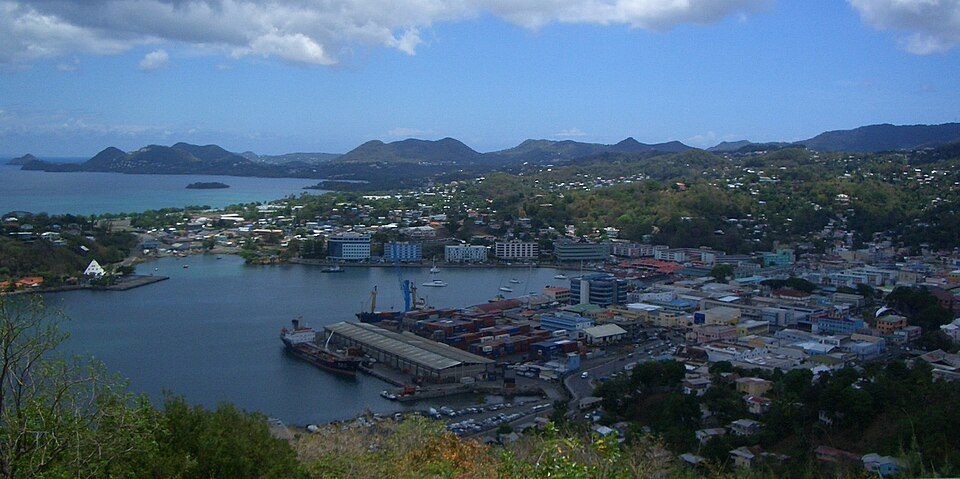
Castries: Connecting Saint Lucia to the Eastern Caribbean
Castries, the capital and largest city of Saint Lucia, serves as a key landing point for the Eastern Caribbean Fiber System (ECFS), a submarine cable that has been operational since 1995. This cable spans 1730 km and links Saint Lucia to 12 other landing points across the Eastern Caribbean, including Bridgetown in Barbados, Pointe-a-Pitre in Guadeloupe, and St. John’s in Antigua and Barbuda. Its presence in Castries underscores the city’s role in the regional telecommunications network.The Eastern Caribbean Fiber System
The ECFS is the only submarine cable landing in Castries, making it integral to the city’s connectivity. While Saint Lucia has two submarine cables landing at two points-Castries and Rodney Bay-the ECFS is the older of the two and remains a critical link to the outside world. The cable connects Saint Lucia not only to its immediate neighbors but also to a broader network spanning multiple islands, ensuring reliable communication and data transfer across the region. Castries’ position within this chain is notable. While Rodney Bay, another landing point in Saint Lucia, hosts one cable as well, Castries benefits from its status as the capital and economic hub of the country. This allows the ECFS to support key urban activities, including government operations, business services, and tourism-related enterprises. The city’s role as a regional node is further emphasized by its connectivity to other major hubs in the Caribbean.Latency Measurements: Fast and Reliable
GeoCables’ monitoring of the Castries landing point reveals impressive latency performance. With 21 completed checks from source cities, the average round-trip latency is 55 ms, while the best observed latency is just 3 ms. These measurements highlight the efficiency of the ECFS cable in facilitating low-latency communication, which is essential for modern digital services such as video conferencing, cloud computing, and online transactions.Castries: A Gateway to the Caribbean
Castries is more than just a landing point-it is the administrative and economic heart of Saint Lucia. With a population of approximately 20,000 in the urban area and nearly 70,000 in the surrounding district, the city is a bustling center of activity. Its port, one of the busiest in the Caribbean, serves as a hub for both cruise ships and cargo vessels, further emphasizing its importance as a gateway to the region. The ECFS cable ensures that Castries remains connected to the world, supporting industries that rely on seamless communication and data exchange. Whether it’s tourism companies booking international clients, financial institutions managing cross-border transactions, or government agencies coordinating regional initiatives, the cable’s presence is indispensable to the city’s operations.Conclusion
Castries’ role as a landing point for the Eastern Caribbean Fiber System places it at the heart of Saint Lucia’s connectivity. As the capital city, it benefits from the cable’s ability to link the island to its Caribbean neighbors and beyond. With reliable latency performance and a strategic position within the ECFS chain, Castries is not only a vibrant urban center but also a key node in the region’s digital infrastructure.What next: Castries, Saint Lucia in the global directory of cable landing points; see surrounding routes on the interactive submarine cable map or follow live network monitoring.
Other Landing Points in Saint Lucia
Landing Point
- CountryLC Saint Lucia
- Coordinates13.9942°N 61.0068°W
- Connected Cables1
See Real Cable Routes
View actual submarine cable routing from Castries, Saint Lucia - with backbone nodes, distance calculations, and latency estimates
Open Calculator →
Submarine cables
Land fiber
Live probes