Natadola, Fiji
Landing Point · FJ Fiji
2
Connected Cables
FJ
Country
18.10°
Latitude
177.32°
Longitude
Ctrl + Scroll to zoom
Connected Cables
| Cable | Status |
|---|---|
| Bulikula | Active |
| Tabua | Active |
Live Performance
70
measurements
11
probes
155
days monitored
315.3
ms avg RTT
0
anomalies
RTT measurements to this landing point from 2026-03-29 through 2026-09-01 - live ICMP round-trip time via our monitoring probes. Recomputed daily. ✓ No anomalies detected in the monitored period.
Measurement sources
| Probe | Location | Samples | Avg |
|---|---|---|---|
| own probe | Almaty KZ | 14 | 398.3 ms |
| own probe | Jerusalem IL | 13 | 365.0 ms |
| #6427 own probe | Sydney AU | 7 | 37.1 ms |
| own probe | Minsk BY | 7 | 398.8 ms |
| own probe | Tbilisi GE | 7 | 365.2 ms |
| #6487 | control probe | 6 | 148.1 ms |
| own probe | Balancer IL | 6 | 374.1 ms |
| own probe | Moscow RU | 5 | 349.6 ms |
| #60575 | control probe | 2 | 75.0 ms |
| own probe | Sevastopol UA | 2 | 381.0 ms |
| #6410 own probe | Sao Paulo BR | 1 | 347.9 ms |
About Natadola, Fiji
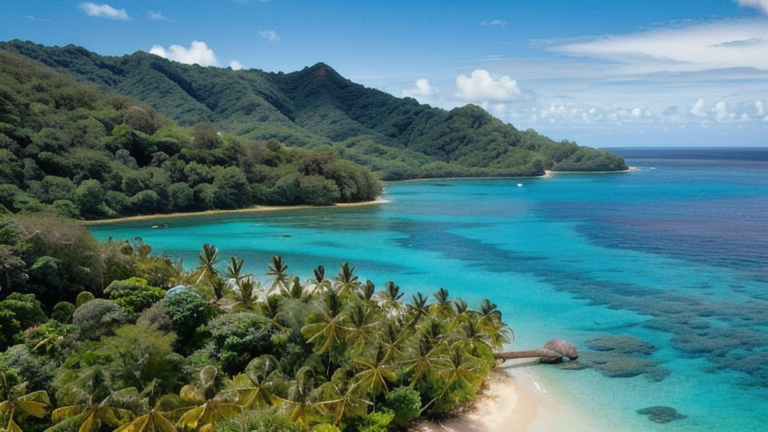
Natadola: A Rising Connectivity Hub in Fiji
Natadola, a serene coastal location in Fiji, is quietly emerging as a key player in the region’s digital connectivity. While it may not match the cable density of Suva, the capital city, Natadola holds its own with two submarine cables landing here: Bulikula and Tabua, both set to be ready for service in 2026. These cables promise to enhance Fiji's role in global communications, connecting the nation to destinations as diverse as French Polynesia, Guam, Australia, and the United States.Two Cables, Global Reach
The Bulikula cable, stretching an impressive 21,600 km, links Natadola to a network of landing points across the Pacific, including Faratea and Papenoo in French Polynesia, Kapolei in Hawaii, and Tinian in the Northern Mariana Islands. This extensive chain positions Natadola as part of a broader Pacific connectivity corridor, bridging islands and continents alike. The Tabua cable, meanwhile, connects Fiji to Australia and the United States, landing at major hubs like Sydney, Maroochydore, Los Angeles, and Kapolei. Together, these cables provide Natadola with direct links to some of the world's most significant digital economies, ensuring faster and more reliable data flows for businesses and residents alike.Regional Context: Natadola vs. Suva and Savusavu
Fiji’s submarine cable infrastructure is concentrated across three landing points: Suva, Savusavu, and Natadola. Suva, with nine cables, dominates the landscape as the nation's primary hub for international connectivity. Savusavu, like Natadola, hosts two cables but remains more remote. Natadola’s position is unique-it serves as a quieter yet strategically important complement to Suva, offering redundancy and additional capacity for Fiji’s growing digital needs.Latency Insights: A Competitive Edge
GeoCables’ latency measurements reveal promising performance for Natadola. Across 55 completed checks from nine source cities, the average round-trip latency stands at 337 ms, with the best observed latency at just 37 ms. These numbers highlight the potential for low-latency connections, particularly for users in the Pacific region, once the cables are operational.Looking Ahead
Natadola’s emergence as a landing point for two major cables marks a significant step forward for Fiji’s connectivity landscape. While Suva remains the dominant hub, Natadola’s links to global destinations via Bulikula and Tabua will diversify the nation’s access points and strengthen its resilience in international communications. For the residents and businesses of Natadola, this connectivity promises to unlock new opportunities in education, commerce, and innovation, firmly anchoring this picturesque location in the digital age.What next: Natadola, Fiji in the global directory of cable landing points; see surrounding routes on the interactive submarine cable map or follow live network monitoring.
Other Landing Points in Fiji
FAQ
Landing Point
- CountryFJ Fiji
- Coordinates18.1004°S 177.3189°E
- Connected Cables2
See Real Cable Routes
View actual submarine cable routing from Natadola, Fiji - with backbone nodes, distance calculations, and latency estimates
Open Calculator →
Submarine cables
Land fiber
Live probes