Jdaide, Lebanon
Landing Point · LB Lebanon
1
Connected Cables
LB
Country
33.89°
Latitude
35.56°
Longitude
Ctrl + Scroll to zoom
Connected Cables
| Cable | Status |
|---|---|
| CADMOS | Active |
Live Performance
243
measurements
12
probes
223
days monitored
150.7
ms avg RTT
0
anomalies
RTT measurements to this landing point from 2026-03-06 through 2026-10-15 - live ICMP round-trip time via our monitoring probes. Recomputed daily. ✓ No anomalies detected in the monitored period.
Measurement sources
| Probe | Location | Samples | Avg |
|---|---|---|---|
| #583 | control probe | 141 | 135.0 ms |
| #1017817 | control probe | 47 | 164.5 ms |
| own probe | Jerusalem IL | 11 | 175.0 ms |
| own probe | Tbilisi GE | 10 | 134.0 ms |
| own probe | Almaty KZ | 7 | 168.1 ms |
| own probe | Minsk BY | 6 | 115.6 ms |
| own probe | Moscow RU | 6 | 188.4 ms |
| #6410 own probe | Sao Paulo BR | 4 | 280.2 ms |
| #6427 own probe | Sydney AU | 4 | 357.8 ms |
| own probe | Balancer IL | 4 | 163.2 ms |
| own probe | Sevastopol UA | 2 | 141.6 ms |
| own probe | Odessa UA | 1 | 106.0 ms |
About Jdaide, Lebanon
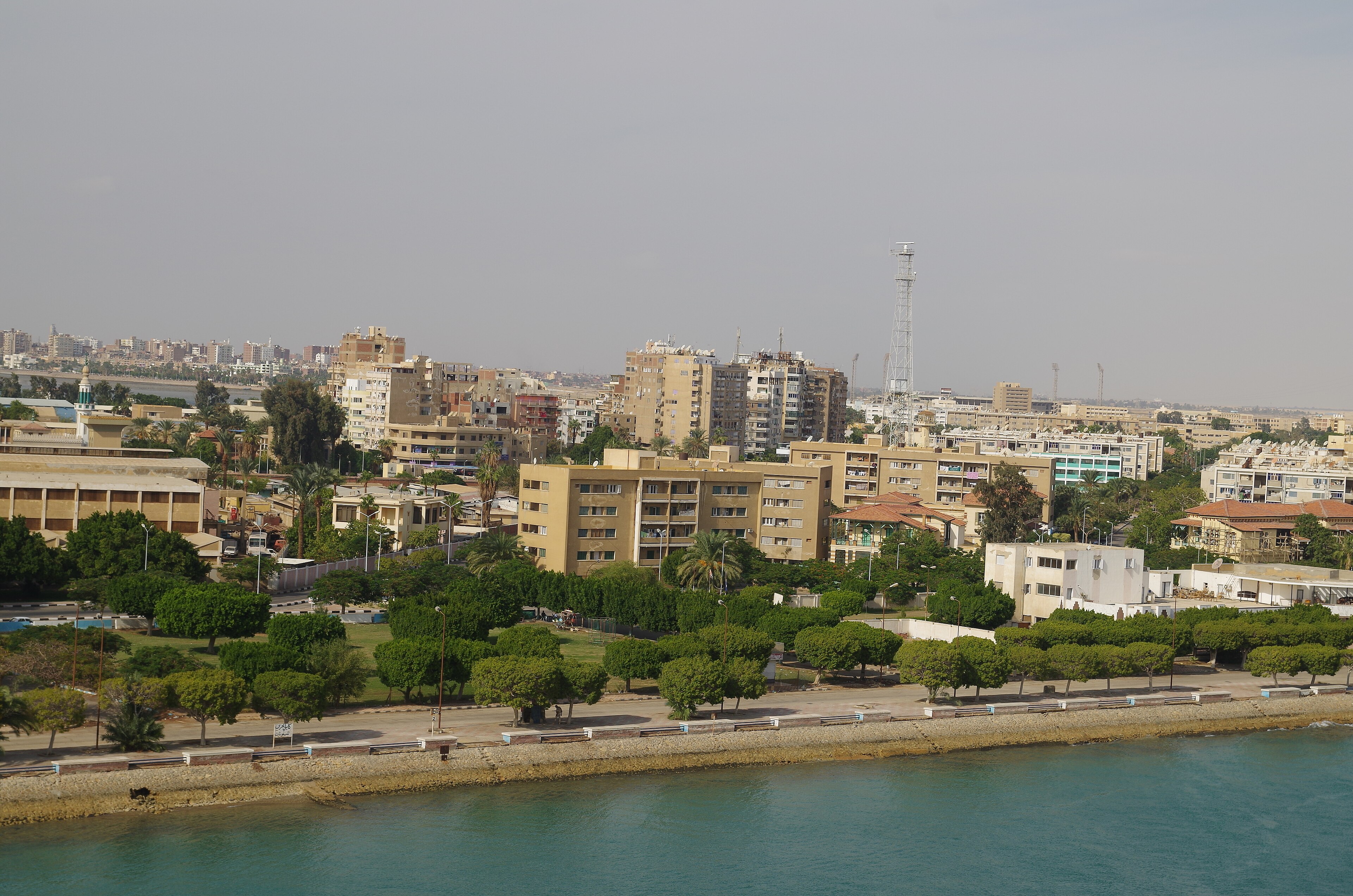
Jdaide, Lebanon: A Quiet Link to the Mediterranean
Jdaide is one of four submarine cable landing points in Lebanon, hosting the CADMOS cable since its activation in 1995. While Beirut, Tripoli, and Saida also connect Lebanon to the global network, Jdaide stands out as a smaller, less prominent location with a single cable. Despite this modest setup, it plays a key role in linking Lebanon to Cyprus and the wider Mediterranean.The CADMOS Cable: A Mediterranean Connection
The CADMOS cable spans 230 km, connecting Jdaide to Beirut and Pentaskhinos in Cyprus. This cable is one of Lebanon's earliest international links, operational since 1995. Unlike Beirut, which hosts three cables, or Tripoli with two, Jdaide's single cable reflects its quieter role in the national network. However, it complements the country's broader submarine infrastructure, which averages far longer cable lengths of 1886 km. Jdaide’s connectivity primarily serves regional needs rather than direct international traffic. Data traveling through this point typically routes through Beirut, the country's primary hub, before reaching global destinations. This makes Jdaide a supporting player in Lebanon's telecommunications landscape, rather than the centerpiece.Latency Insights: Reliable Performance
GeoCables’ own monitoring reveals consistent performance at Jdaide. Across 147 latency checks from 10 source cities, the average round-trip time was 144 ms, with the best observed latency at 83 ms. These figures highlight the efficiency of the CADMOS cable in maintaining stable connections across the Mediterranean.Positioning Jdaide in Lebanon’s Network
Lebanon’s submarine cable infrastructure is distributed across four landing points: Beirut, Tripoli, Saida, and Jdaide. While Jdaide ranks in the top 50% of landing points by cable count, it contrasts sharply with Beirut’s three-cable setup, which serves as the country’s primary international gateway. Tripoli and Saida also host multiple cables, leaving Jdaide as a quieter node in the network. Despite its smaller scale, Jdaide’s role is important for regional connectivity. The CADMOS cable ensures that data can flow reliably between Lebanon and Cyprus, supporting local needs and contributing to the broader Mediterranean network. For a country with a relatively compact submarine infrastructure, every landing point matters, and Jdaide is no exception.Conclusion
Jdaide may not be Lebanon’s busiest landing point, but its connection to the CADMOS cable has provided steady service for nearly three decades. As part of a network that stitches Lebanon into the Mediterranean’s digital fabric, Jdaide plays its part in ensuring reliable communications for the region. Whether supporting local businesses or facilitating international exchanges, this quiet landing point continues to serve as a dependable link to the outside world.What next: Jdaide, Lebanon in the global directory of cable landing points; see surrounding routes on the interactive submarine cable map or follow live network monitoring.
Our measurements to Jdaide
Traceroutes from our own measurement points over the last 30 days: usual delay and number of network hops on the way to Jdaide.
- From RIPE Atlas probes: 172 ms, 9 hops, 23 traces
Last trace: 2026-10-15. Live network map
Other Landing Points in Lebanon
Landing Point
- CountryLB Lebanon
- Coordinates33.8919°N 35.5630°E
- Connected Cables1
See Real Cable Routes
View actual submarine cable routing from Jdaide, Lebanon - with backbone nodes, distance calculations, and latency estimates
Open Calculator →
Submarine cables
Land fiber
Live probes