Fakaofo, Tokelau
Landing Point · TK Tokelau
1
Connected Cables
TK
Country
9.38°
Latitude
171.26°
Longitude
Ctrl + Scroll to zoom
Connected Cables
| Cable | Status |
|---|---|
| Tokelau Submarine Cable | Active |
Live Performance
12
measurements
6
probes
1
days monitored
290.3
ms avg RTT
0
anomalies
RTT measurements to this landing point from 2026-07-12 through 2026-07-12 - live ICMP round-trip time via our monitoring probes. Recomputed daily. ✓ No anomalies detected in the monitored period.
Measurement sources
| Probe | Location | Samples | Avg |
|---|---|---|---|
| #6410 own probe | Sao Paulo BR | 2 | 376.1 ms |
| #6427 own probe | Sydney AU | 2 | 56.6 ms |
| #6487 | control probe | 2 | 149.4 ms |
| own probe | Almaty KZ | 2 | 408.4 ms |
| own probe | Jerusalem IL | 2 | 380.2 ms |
| own probe | Balancer IL | 2 | 370.9 ms |
About Fakaofo, Tokelau
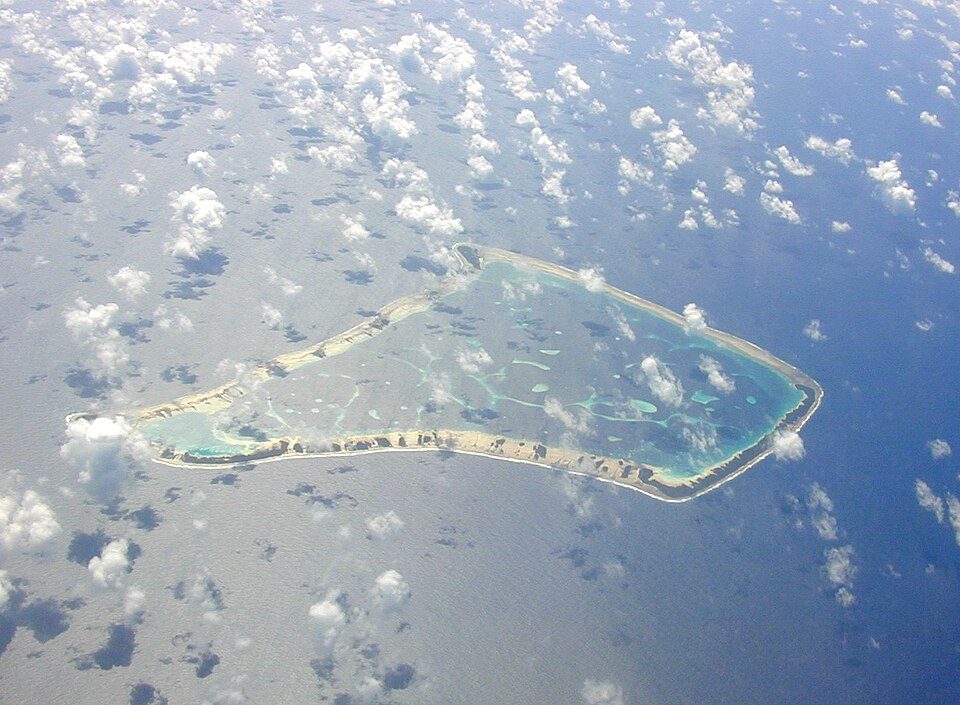
Fakaofo: A Small Atoll with a Singular Connection
Fakaofo, part of the Tokelau Group in the South Pacific, is a remote atoll with a land area of just 3 km². Despite its small size and isolation, it plays an important role in Tokelau's modern connectivity, hosting one of the nation's submarine cable landing points. The Tokelau Submarine Cable, which became operational in 2023, links Fakaofo to two other landing points in Tokelau: Atafu and Nukunonu. Together, these three points form a domestic chain that stitches the islands of Tokelau into a cohesive communications network.The Tokelau Submarine Cable
The Tokelau Submarine Cable spans 250 km and exclusively serves Tokelau, connecting Fakaofo to its neighboring atolls of Atafu and Nukunonu. While Nukunonu hosts two cables, Fakaofo and Atafu each host one, making Fakaofo a modest yet integral part of the nation's digital infrastructure. This cable does not extend internationally, instead focusing on domestic connectivity within Tokelau's borders. The cable ensures that Fakaofo is digitally linked to the other islands, enabling communication, access to online resources, and participation in Tokelau's shared digital ecosystem.Latency Observations: A Window into Performance
GeoCables' latency measurements provide a unique insight into Fakaofo's connectivity performance. Across 12 completed checks from six source cities, the average round-trip latency to Fakaofo is 290 milliseconds, with the best observed latency being 57 milliseconds. These numbers reflect the challenges of connecting a remote atoll to the broader digital world, but they also highlight the efficiency of the Tokelau Submarine Cable in maintaining reliable communication links.Life on Fakaofo
Fakaofo, formerly known as Bowditch Island, is home to a population of around 483 people, according to the 2006 census. The atoll consists of islets surrounding a central lagoon, creating a picturesque yet isolated environment. Most residents belong to either the Congregational Church or the Catholic Church, reflecting the island's close-knit community and shared traditions. While Fakaofo's economy and daily life are shaped by its geographic isolation, the arrival of the Tokelau Submarine Cable has opened new possibilities. From educational opportunities to improved communication with other islands, the cable is helping bridge the gap between Fakaofo and the wider world. Although the atoll remains small and remote, its connection to the Tokelau Submarine Cable ensures it is no longer entirely cut off.Fakaofo's Place in Tokelau's Network
Fakaofo's single cable may seem modest compared to Nukunonu's two, but its role in Tokelau's domestic network is essential. Together with Atafu and Nukunonu, Fakaofo completes a chain that ties the islands together, ensuring that even the smallest atoll has access to the shared resources of the nation. The Tokelau Submarine Cable is not just a technical achievement; it is a lifeline for Fakaofo's residents, enabling them to stay connected in a world that increasingly relies on digital communication. In Fakaofo, connectivity is not about global reach but about maintaining ties within a scattered archipelago. The Tokelau Submarine Cable has transformed this isolated atoll into a connected community, proving that even the smallest places can play a significant role in a nation's network.What next: Fakaofo, Tokelau in the global directory of cable landing points; see surrounding routes on the interactive submarine cable map or follow live network monitoring.
Other Landing Points in Tokelau
Landing Point
- CountryTK Tokelau
- Coordinates9.3838°S 171.2615°W
- Connected Cables1
See Real Cable Routes
View actual submarine cable routing from Fakaofo, Tokelau - with backbone nodes, distance calculations, and latency estimates
Open Calculator →
Submarine cables
Land fiber
Live probes