Dubrovnik, Croatia
Landing Point · HR Croatia
1
Connected Cables
HR
Country
42.64°
Latitude
18.11°
Longitude
Ctrl + Scroll to zoom
Connected Cables
| Cable | Status |
|---|---|
| Adria-1 | Active |
Live Performance
723
measurements
15
probes
186
days monitored
66.8
ms avg RTT
1
anomalies
RTT measurements to this landing point from 2026-04-12 through 2026-10-16 - live ICMP round-trip time via our monitoring probes. Recomputed daily.
Measurement sources
| Probe | Location | Samples | Avg |
|---|---|---|---|
| #11779 | control probe | 205 | 15.8 ms |
| #2851 | control probe | 140 | 77.5 ms |
| #17554 | control probe | 94 | 21.9 ms |
| #6427 own probe | Sydney AU | 73 | 264.5 ms |
| own probe | Odessa UA | 73 | 58.0 ms |
| own probe | Sevastopol UA | 66 | 82.0 ms |
| #7529 | control probe | 36 | 20.8 ms |
| own probe | Kyiv UA | 12 | 34.5 ms |
| own probe | Minsk BY | 6 | 79.2 ms |
| own probe | Almaty KZ | 5 | 107.2 ms |
| own probe | Tbilisi GE | 5 | 56.2 ms |
| own probe | Jerusalem IL | 5 | 75.1 ms |
| #6410 own probe | Sao Paulo BR | 1 | 244.1 ms |
| own probe | Moscow RU | 1 | 44.1 ms |
| own probe | Saint Petersburg RU | 1 | 80.8 ms |
About Dubrovnik, Croatia
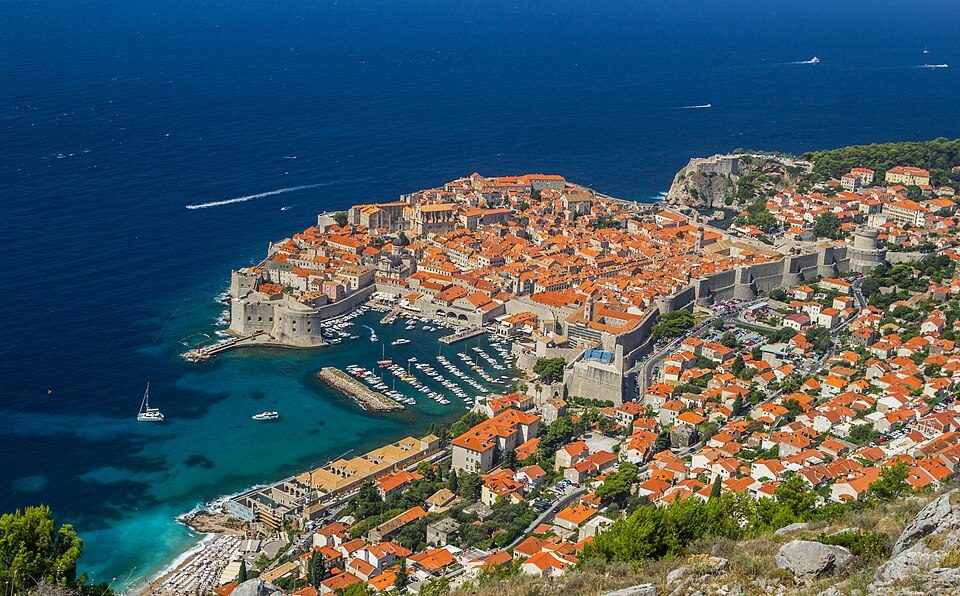
Dubrovnik: A Gateway to Connectivity in Southern Dalmatia
Dubrovnik, Croatia, known for its stunning medieval architecture and UNESCO World Heritage status, is more than just a jewel of the Adriatic-it is also a key submarine cable landing point. While Croatia’s overall submarine cable infrastructure is modest, with only two cables landing at two points, Dubrovnik plays a unique role in connecting the region to international networks.The Adria-1 Cable: Linking Dubrovnik to Albania and Greece
The Adria-1 cable, which has been operational since 1996, is the sole submarine cable landing in Dubrovnik. Spanning 440 kilometers, this cable connects Dubrovnik to two other landing points: Corfu in Greece and Durres in Albania. This chain forms an important regional link across the Adriatic and Ionian Seas. Unlike Umag, Croatia’s other cable landing point further north, Dubrovnik’s connectivity is positioned to serve southern Dalmatia, bridging Croatia to its southeastern neighbors. While the Adria-1 cable does not directly connect Dubrovnik to global hubs, it provides a critical regional trunk that feeds into broader international networks via Greece and Albania. This regional focus aligns well with Dubrovnik’s geographic position near the southern tip of Croatia, making it an essential node for cross-border communication.Latency Insights: Dubrovnik’s Performance
GeoCables’ proprietary latency measurements reveal Dubrovnik’s connectivity performance through the Adria-1 cable. With 346 completed checks from 20 source cities, the average round-trip latency to Dubrovnik is 90 milliseconds, while the best observed latency is an impressive 7 milliseconds. These numbers highlight the cable’s reliability and efficiency in serving the region, particularly for time-sensitive applications.Dubrovnik’s Dual Identity: Tourism and Connectivity
Dubrovnik is internationally renowned as a tourist destination, drawing visitors to its historic Old City and picturesque coastline. However, its role as a submarine cable landing point underscores the city’s importance beyond tourism. The Adria-1 cable supports local industries, government operations, and residents by providing stable regional connectivity. While Dubrovnik is not a major industrial hub, its seaport and administrative significance make reliable communication essential.Positioning Dubrovnik in Croatia’s Cable Network
Croatia’s submarine cable infrastructure is limited, with only two cables landing at Umag and Dubrovnik. The average cable length in the country is 335 kilometers, and the first cable became operational in 1994. Dubrovnik’s Adria-1 cable stands out for its international reach, connecting Croatia to Albania and Greece, whereas Umag’s cable serves the northern part of the country. This division reflects Croatia’s geographic diversity, with Dubrovnik acting as a southern anchor in the nation’s connectivity map.Conclusion
Dubrovnik’s role as a submarine cable landing point may not be as prominent as its reputation as a Mediterranean tourist hotspot, but it is an essential piece of the region’s telecommunications puzzle. Through the Adria-1 cable, Dubrovnik connects southern Croatia to Albania and Greece, ensuring the city remains plugged into the wider world. As Croatia continues to balance its historic charm with modern infrastructure, Dubrovnik’s connectivity will remain a quiet yet significant part of its story.What next: Dubrovnik, Croatia in the global directory of cable landing points; see surrounding routes on the interactive submarine cable map or follow live network monitoring.
Our measurements to Dubrovnik
Traceroutes from our own measurement points over the last 30 days: usual delay and number of network hops on the way to Dubrovnik.
- From RIPE Atlas probes: 20 ms, 13 hops, 43 traces
Last trace: 2026-10-15. Live network map
Other Landing Points in Croatia
Landing Point
- CountryHR Croatia
- Coordinates42.6419°N 18.1064°E
- Connected Cables1
See Real Cable Routes
View actual submarine cable routing from Dubrovnik, Croatia - with backbone nodes, distance calculations, and latency estimates
Open Calculator →
Submarine cables
Land fiber
Live probes