Cristóbal, Panama
Landing Point · PA Panama
Connected Cables
| Cable | Status |
|---|---|
| Carnival Submarine Network-1 (CSN-1) | Active |
Live Performance
RTT measurements to this landing point from 2026-03-30 through 2026-08-20 - live ICMP round-trip time via our monitoring probes. Recomputed daily. ✓ No anomalies detected in the monitored period.
Measurement sources
| Probe | Location | Samples | Avg |
|---|---|---|---|
| #1014473 own probe | Minsk BY | 8 | 191.5 ms |
| #6410 own probe | Sao Paulo BR | 5 | 166.6 ms |
| #6427 own probe | Sydney AU | 5 | 295.8 ms |
| #6487 | control probe | 5 | 312.5 ms |
| #1015563 own probe | Saint Petersburg RU | 4 | 181.0 ms |
| #1014597 own probe | Tbilisi GE | 3 | 222.4 ms |
| #1014589 own probe | Almaty KZ | 2 | 290.2 ms |
| #1014969 own probe | Jerusalem IL | 2 | 220.5 ms |
| #65007 | control probe | 1 | 4.4 ms |
| #1004280 | control probe | 1 | 2.7 ms |
| #1004286 | control probe | 1 | 2.4 ms |
| #1015523 own probe | Moscow RU | 1 | 189.5 ms |
About Cristóbal, Panama
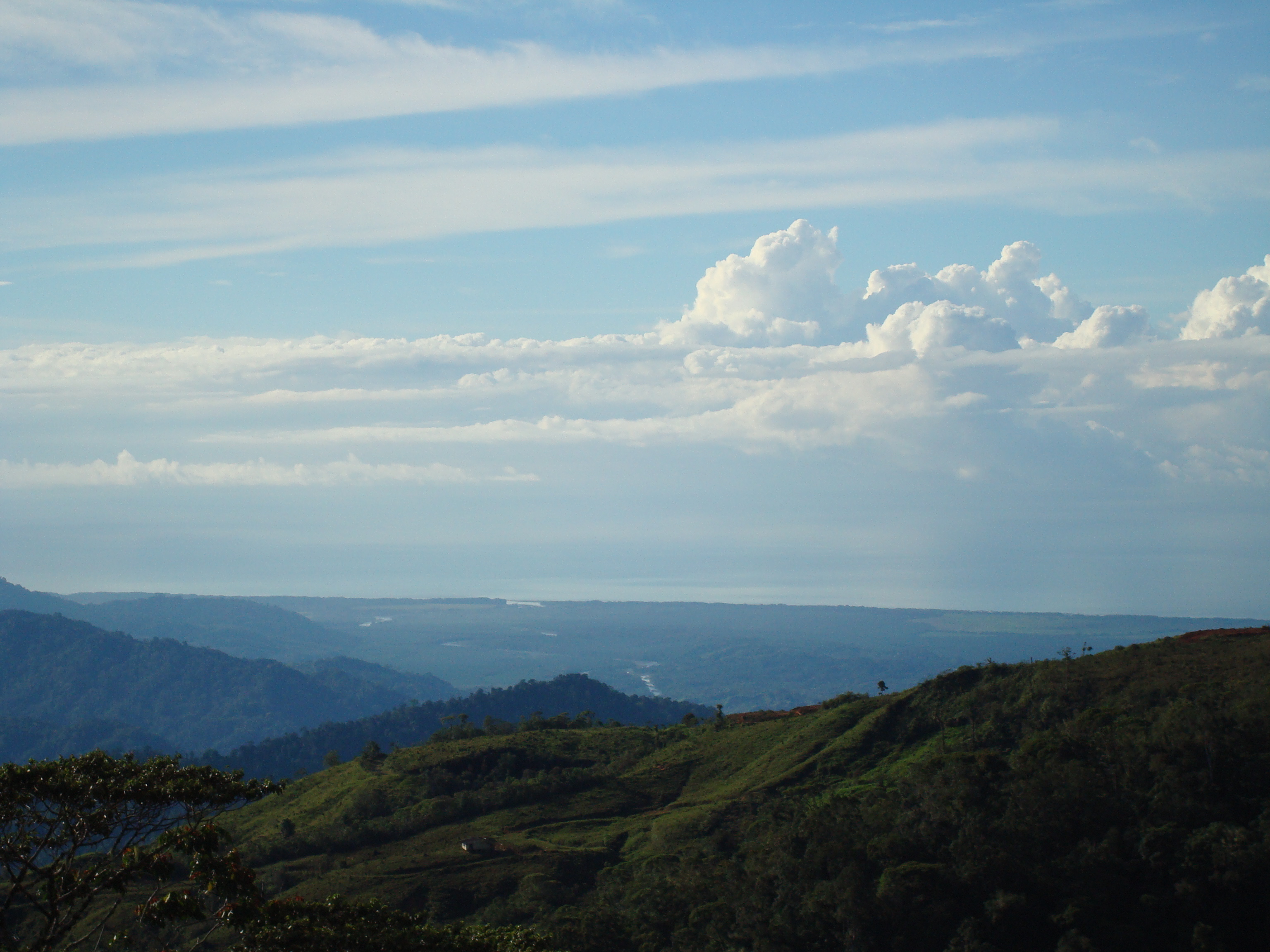
Cristóbal, Panama: Submarine Cable Landing Point
Cristóbal is a submarine cable landing point located on the Caribbean coast of Panama, at the Atlantic entrance to the Panama Canal. One submarine cable lands here: the Carnival Submarine Network-1 (CSN-1), a system currently in the draft stage with a planned ready-for-service date of 2026. Though Cristóbal hosts a single cable, that system connects it to a broad set of countries spanning North America, Central America, and South America.
The CSN-1 cable links Cristóbal to landing points in Colombia, Ecuador, Mexico, and the United States, establishing a multi-country Pacific and Caribbean corridor that runs along the western and northern coasts of the Americas. This positions Cristóbal as a Caribbean-facing gateway for a system with intercontinental reach, complementing Panama's role as a transit territory between the Atlantic and Pacific Ocean basins.
Cables Landing at Cristóbal, Panama
Carnival Submarine Network-1 (CSN-1) is a 4,670-kilometre submarine cable system with a planned ready-for-service date of 2026, currently in draft status. In addition to Cristóbal, Panama, the cable lands in Colombia, Ecuador, Mexico, and the United States. The system spans the eastern Pacific and Caribbean regions, connecting five countries along the western coasts of South America, Central America, and North America, with its United States endpoint extending the route into the North American network fabric.
Regional Context
Among Panama's submarine cable landing points, Cristóbal shares a single-cable status with Colón and Ustupo, while Fort Amador, Maria Chiquita, and Panama City each host two cables. Cristóbal is notable for sitting on Panama's Caribbean side, whereas several other Panamanian landing points face the Pacific, giving the country landing infrastructure on both coasts. As CSN-1 moves toward its 2026 ready-for-service date, Cristóbal will contribute additional international submarine cable capacity to Panama's Atlantic-facing connectivity.
Network Role
Cristóbal functions as a single-cable terminus at present, anchoring one end of the CSN-1 system on Panama's Caribbean coastline. The cable it hosts enables direct submarine connectivity between Panama and four other nations - Colombia, Ecuador, Mexico, and the United States - covering a corridor that spans from South America's Pacific coast northward to the United States. This makes Cristóbal a participant in an intercontinental, multi-country cable route rather than a purely regional or inter-island link.
In the broader submarine cable graph of the Americas, Cristóbal adds a Caribbean landing node to a system whose other endpoints are distributed across the Pacific coast and North America. Its position within Panama, a country that spans the isthmus between two oceans, makes the landing point a meaningful Atlantic-side complement to Panama's wider submarine cable infrastructure.
What next: Cristóbal, Panama in the global directory of cable landing points; see surrounding routes on the interactive submarine cable map or follow live network monitoring.
Other Landing Points in Panama
Landing Point
- CountryPA Panama
- Coordinates9.3509°N 79.9028°W
- Connected Cables1
See Real Cable Routes
View actual submarine cable routing from Cristóbal, Panama - with backbone nodes, distance calculations, and latency estimates
Open Calculator →