Ventspils, Latvia
Landing Point · LV Latvia
2
Connected Cables
LV
Country
57.39°
Latitude
21.57°
Longitude
Ctrl + Scroll to zoom
Connected Cables
| Cable | Status |
|---|---|
| Latvia-Sweden 1 (LV-SE 1) | Active |
| Sweden-Latvia | Active |
Live Performance
127
measurements
11
probes
185
days monitored
41.9
ms avg RTT
2
anomalies
RTT measurements to this landing point from 2026-04-10 through 2026-10-13 - live ICMP round-trip time via our monitoring probes. Recomputed daily.
Measurement sources
| Probe | Location | Samples | Avg |
|---|---|---|---|
| #879 | control probe | 111 | 34.7 ms |
| own probe | Minsk BY | 3 | 49.0 ms |
| #6427 own probe | Sydney AU | 2 | 277.3 ms |
| own probe | Almaty KZ | 2 | 98.8 ms |
| own probe | Jerusalem IL | 2 | 83.4 ms |
| own probe | Moscow RU | 2 | 33.4 ms |
| #40 | control probe | 1 | 1.7 ms |
| #6410 own probe | Sao Paulo BR | 1 | 216.3 ms |
| own probe | Tbilisi GE | 1 | 73.1 ms |
| own probe | Saint Petersburg RU | 1 | 16.8 ms |
| own probe | Odessa UA | 1 | 32.4 ms |
About Ventspils, Latvia
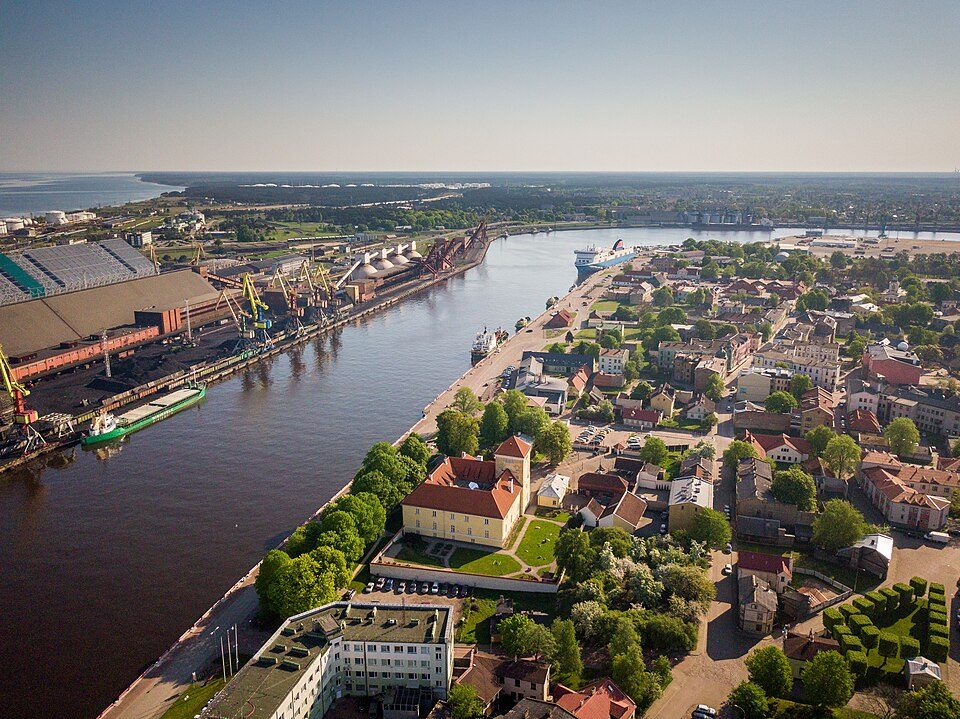
Ventspils: A Gateway Between Latvia and Sweden
Ventspils, a city in northwestern Latvia, plays a unique role in the country's submarine cable connectivity. With two cables landing here, it serves as a direct link to Sweden, connecting Latvia to one of its closest neighbors across the Baltic Sea. This connectivity is essential for maintaining strong regional ties and ensuring reliable data exchange between the two countries.The Cables That Land in Ventspils
Two submarine cables land at Ventspils: the Sweden-Latvia cable, operational since 2005, and the older Latvia-Sweden 1 (LV-SE 1), which has been in service since 1994. Together, these cables span a combined 695 kilometers across the Baltic Sea, forming a robust connection to Sweden. The Sweden-Latvia cable also links Ventspils to Farosund and Stockholm, while LV-SE 1 connects Ventspils to Nynashamn. These connections make Ventspils part of a broader chain of Baltic Sea infrastructure, ensuring redundancy and resilience for data traffic between Latvia and Sweden.Positioning Ventspils Within Latvia's Submarine Cable Network
Latvia has a modest submarine cable infrastructure, with just three cables landing across two points: Ventspils and Liepaja. While Liepaja hosts only one cable, Ventspils stands out with its dual connections to Sweden. This makes Ventspils a key hub for international connectivity in Latvia, complementing the country's overall network, which averages a cable length of 264 kilometers.Latency Insights: Fast and Reliable
GeoCables' latency measurements reveal the efficiency of Ventspils' connections. Across 253 completed checks from 14 source cities, the average round-trip latency to Ventspils is just 44 milliseconds, with the best observed latency as low as 1 millisecond. This performance underscores the reliability of the cables landing here, making Ventspils an attractive point for data transmission between Latvia and Sweden.A City With Historical and Strategic Significance
Ventspils is more than just a landing point for submarine cables. As one of Latvia's state cities and the sixth largest in the country, it holds historical significance in the Courland region. Its location on the Baltic coast has long made it a strategic site for trade and connectivity, a role it continues to fulfill in the digital age through its submarine cable infrastructure.Conclusion
Ventspils exemplifies how a relatively small city can play a significant role in international connectivity. With two cables linking Latvia to Sweden, it ensures fast and reliable data exchange across the Baltic Sea. As Latvia continues to develop its digital infrastructure, Ventspils remains a key node in the country's network, bridging the gap between regional and international communication.What next: Ventspils, Latvia in the global directory of cable landing points; see surrounding routes on the interactive submarine cable map or follow live network monitoring.
Other Landing Points in Latvia
Landing Point
- CountryLV Latvia
- Coordinates57.3895°N 21.5700°E
- Connected Cables2
See Real Cable Routes
View actual submarine cable routing from Ventspils, Latvia - with backbone nodes, distance calculations, and latency estimates
Open Calculator →
Submarine cables
Land fiber
Live probes