Puerto Lempira, Honduras
Landing Point · HN Honduras
1
Connected Cables
HN
Country
15.26°
Latitude
83.78°
Longitude
Ctrl + Scroll to zoom
Connected Cables
| Cable | Status |
|---|---|
| ARCOS | Active |
Live Performance
40
measurements
13
probes
179
days monitored
198.7
ms avg RTT
0
anomalies
RTT measurements to this landing point from 2026-04-06 through 2026-10-02 - live ICMP round-trip time via our monitoring probes. Recomputed daily. ✓ No anomalies detected in the monitored period.
Measurement sources
| Probe | Location | Samples | Avg |
|---|---|---|---|
| own probe | Minsk BY | 8 | 191.7 ms |
| #6410 own probe | Sao Paulo BR | 5 | 133.6 ms |
| #6427 own probe | Sydney AU | 5 | 291.3 ms |
| #6487 | control probe | 4 | 278.9 ms |
| own probe | Almaty KZ | 4 | 232.2 ms |
| own probe | Moscow RU | 3 | 176.3 ms |
| own probe | Saint Petersburg RU | 3 | 177.9 ms |
| own probe | Tbilisi GE | 2 | 194.6 ms |
| own probe | Jerusalem IL | 2 | 209.6 ms |
| #53601 | control probe | 1 | 101.6 ms |
| #61860 | control probe | 1 | 40.1 ms |
| #1014262 | control probe | 1 | 28.0 ms |
| own probe | Sevastopol UA | 1 | 204.4 ms |
About Puerto Lempira, Honduras
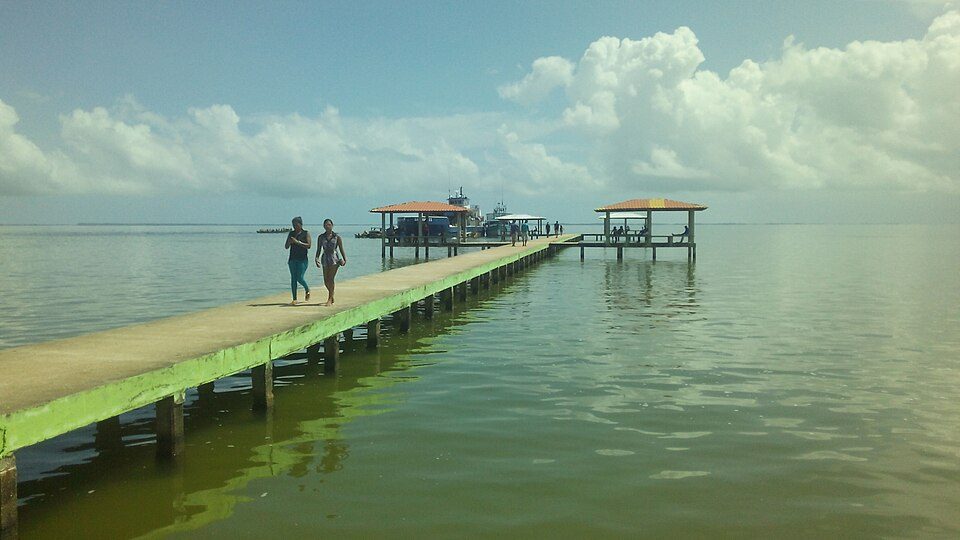
Connecting Puerto Lempira: A Remote Gateway to the World
Puerto Lempira, nestled on the shores of the Caratasca Lagoon in northeastern Honduras, is a place defined by its remote charm and cultural significance as the Miskito capital of the Gracias a Dios department. Despite its isolation-no paved roads connect it to the rest of the country-this quiet town plays a subtle yet important role in Honduras's digital connectivity. Its single submarine cable landing point ties Puerto Lempira to the broader world.The ARCOS Cable: A Singular Link
Puerto Lempira is home to one submarine cable, the ARCOS cable, which spans an impressive 8704 km and has been operational since 2001. This cable is part of a larger chain connecting 23 landing points across the Americas and the Caribbean, including major hubs like Nassau in the Bahamas, Cartagena in Colombia, and Cancún in Mexico. In Honduras, ARCOS also lands at Puerto Cortes and Trujillo, making Puerto Lempira one of three national landing points. While Puerto Cortes boasts three cables and Trujillo hosts one, Puerto Lempira stands apart due to its geographical isolation. The ARCOS cable provides the town with its only direct link to the global network, a connection that is essential for bridging the gap between this remote corner of the country and international communication networks.Latency and Connectivity Performance
GeoCables' monitoring reveals that Puerto Lempira's connectivity is reliable, with an average round-trip latency of 213 ms across 32 completed checks from 10 source cities. The best observed latency, 128 ms, underscores the efficiency of the ARCOS cable in maintaining communication despite the town's remote location. These numbers highlight how modern submarine cable technology can overcome geographic challenges to deliver consistent connectivity.A Remote Town with Global Reach
Puerto Lempira’s reliance on the ARCOS cable underscores the importance of submarine infrastructure for remote communities. Though the town lacks paved roads and is geographically isolated, its connection to the ARCOS cable ensures access to digital resources that support local needs, whether for communication, education, or economic activity. This single cable is the town’s lifeline to the outside world, linking it to regional peers like Puerto Cortes and Trujillo, as well as to international destinations across the Americas.Conclusion
Puerto Lempira may be a small and remote town, but its role as a landing point for the ARCOS cable gives it a unique position in Honduras's connectivity landscape. As the largest town in the Gracias a Dios department, it serves as a quiet gateway to the global network, proving that even the most isolated places can be connected to the world through the power of submarine cables.What next: Puerto Lempira, Honduras in the global directory of cable landing points; see surrounding routes on the interactive submarine cable map or follow live network monitoring.
Other Landing Points in Honduras
Landing Point
- CountryHN Honduras
- Coordinates15.2612°N 83.7768°W
- Connected Cables1
See Real Cable Routes
View actual submarine cable routing from Puerto Lempira, Honduras - with backbone nodes, distance calculations, and latency estimates
Open Calculator →
Submarine cables
Land fiber
Live probes