Conakry, Guinea
Landing Point · GN Guinea
1
Connected Cables
GN
Country
9.51°
Latitude
13.70°
Longitude
Ctrl + Scroll to zoom
Connected Cables
| Cable | Status |
|---|---|
| Africa Coast to Europe (ACE) | Active |
Live Performance
27
measurements
9
probes
44
days monitored
246.0
ms avg RTT
0
anomalies
RTT measurements to this landing point from 2026-06-23 through 2026-08-07 - live ICMP round-trip time via our monitoring probes. Recomputed daily. ✓ No anomalies detected in the monitored period.
Measurement sources
| Probe | Location | Samples | Avg |
|---|---|---|---|
| #6410 own probe | Sao Paulo BR | 4 | 280.9 ms |
| #6427 own probe | Sydney AU | 4 | 480.4 ms |
| #6487 | control probe | 4 | 253.9 ms |
| own probe | Jerusalem IL | 4 | 187.9 ms |
| own probe | Balancer IL | 4 | 172.7 ms |
| #7551 | control probe | 2 | 116.2 ms |
| #65165 | control probe | 2 | 162.6 ms |
| #1004475 | control probe | 2 | 208.3 ms |
| own probe | Odessa UA | 1 | 164.8 ms |
About Conakry, Guinea
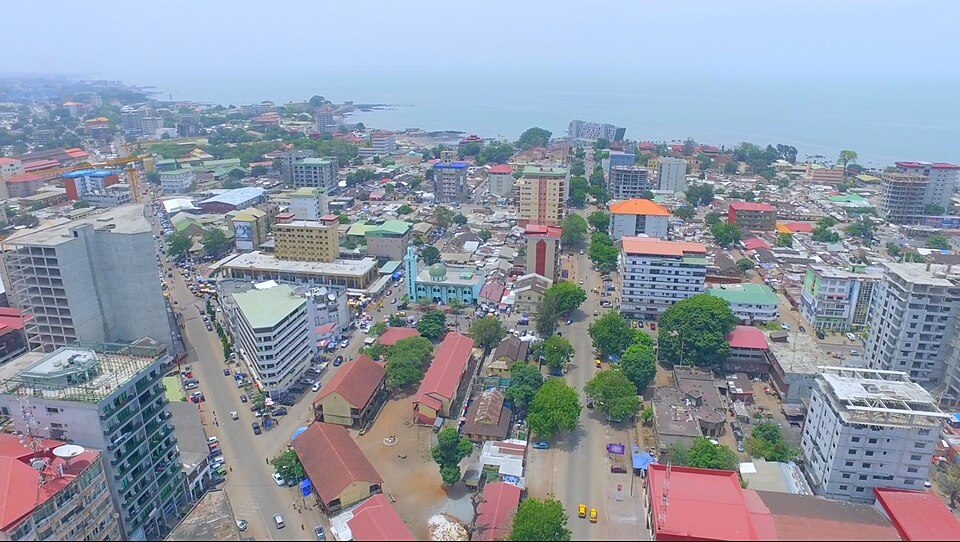
Conakry: Guinea's Gateway to Global Connectivity
Conakry, the bustling capital of Guinea, is not just the country's political and economic heart-it is also its sole submarine cable landing point. This port city, home to over three million people, connects Guinea to the rest of the world through the Africa Coast to Europe (ACE) cable, a 17,000-kilometer-long lifeline that spans continents and links 18 landing points across Africa and Europe.The ACE Cable: A Singular Connection
The ACE cable, operational since 2012, is Guinea's only submarine cable, and its landing in Conakry is pivotal for the country's digital connectivity. Stretching from France to South Africa, the cable connects multiple West African nations, including Côte d'Ivoire, Senegal, and Gambia, before reaching Guinea. This single cable serves as Guinea's entry point to international networks, tying local infrastructure to regional trunks and onward to global hubs. Despite being part of a broader chain of 18 points, Conakry's role is unique within Guinea. It is the sole bridge between the nation and the global internet, underscoring the city's importance in facilitating communication, commerce, and development. With no domestic submarine cables connecting other parts of Guinea, all international data traffic must flow through Conakry.Latency Insights: GeoCables Monitoring
GeoCables' proprietary latency measurements reveal an average round-trip latency of 287 milliseconds for connections to Conakry, with the best observed latency at 161 milliseconds. These figures reflect the challenges of routing data through a single cable that spans vast distances and multiple countries. Nonetheless, they also highlight the reliability of the ACE cable in maintaining connectivity for Guinea's growing digital economy.Conakry: A City That Depends on Connectivity
As Guinea's largest city and primary port, Conakry serves as the hub for the nation's economic activities, from trade and shipping to finance and culture. Its position as the sole landing point for the ACE cable means that industries, businesses, and institutions in Conakry depend heavily on this connection to upload, download, and exchange data with the rest of the world. The city's reliance on the ACE cable is particularly significant given Guinea's limited infrastructure. With no alternative submarine cables or landing points, Conakry's connection to the ACE cable is the country's only path to international networks. This makes the cable's performance and maintenance essential for sustaining Guinea's digital growth.A Singular Link in a Global Chain
While Conakry may not host multiple cables like Dakar or Lagos, its inclusion in the ACE cable chain ensures that Guinea remains connected to the global digital landscape. This singular connection is a reminder of the importance of submarine cables in bridging nations, enabling communication, and fostering economic development-even in countries with limited infrastructure. For Conakry, the ACE cable is more than just a technological asset-it is the city's link to the world. As Guinea continues to develop, the role of this landing point will remain central to the nation's aspirations for greater connectivity and integration into the global economy.What next: Conakry, Guinea in the global directory of cable landing points; see surrounding routes on the interactive submarine cable map or follow live network monitoring.
Landing Point
- CountryGN Guinea
- Coordinates9.5136°N 13.7038°W
- Connected Cables1
See Real Cable Routes
View actual submarine cable routing from Conakry, Guinea - with backbone nodes, distance calculations, and latency estimates
Open Calculator →
Submarine cables
Land fiber
Live probes