Banjul, Gambia
Landing Point · GM Gambia
1
Connected Cables
GM
Country
13.46°
Latitude
16.58°
Longitude
Ctrl + Scroll to zoom
Connected Cables
| Cable | Status |
|---|---|
| Africa Coast to Europe (ACE) | Active |
Live Performance
39
measurements
9
probes
106
days monitored
160.9
ms avg RTT
0
anomalies
RTT measurements to this landing point from 2026-06-28 through 2026-10-13 - live ICMP round-trip time via our monitoring probes. Recomputed daily. ✓ No anomalies detected in the monitored period.
Measurement sources
| Probe | Location | Samples | Avg |
|---|---|---|---|
| #6410 own probe | Sao Paulo BR | 6 | 234.5 ms |
| #6427 own probe | Sydney AU | 6 | 296.2 ms |
| own probe | Jerusalem IL | 6 | 76.9 ms |
| own probe | Balancer IL | 6 | 83.7 ms |
| #6487 | control probe | 5 | 184.6 ms |
| #7551 | control probe | 3 | 144.1 ms |
| #65165 | control probe | 3 | 92.6 ms |
| #1015164 | control probe | 3 | 105.6 ms |
| #6568 own probe | Singapore SG | 1 | 178.7 ms |
About Banjul, Gambia
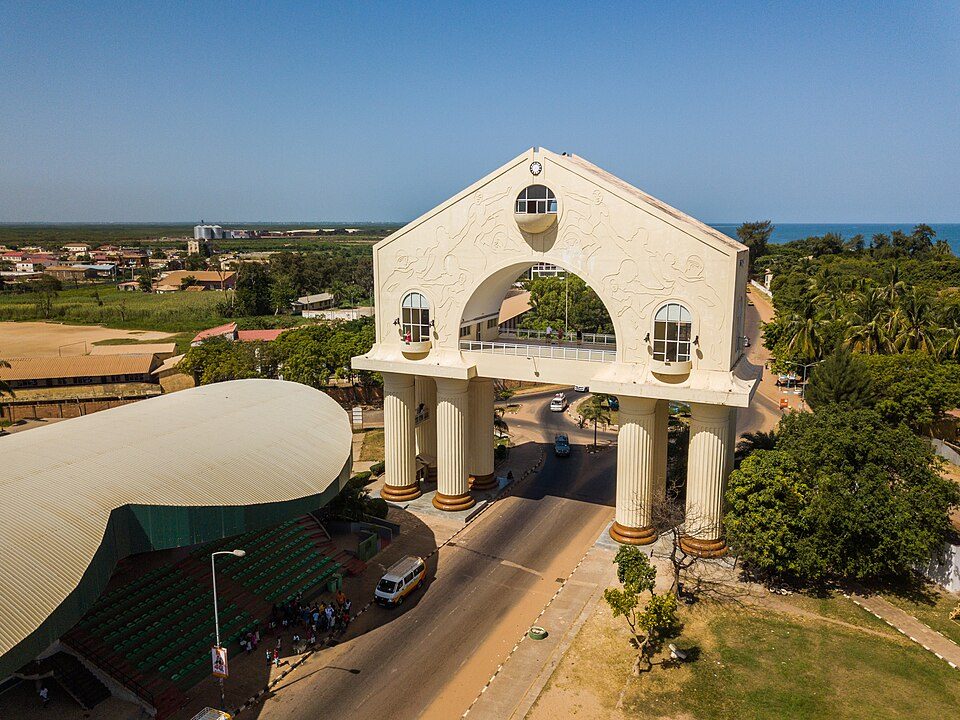
Banjul: Gambia's Gateway to Global Connectivity
Banjul, the capital city of The Gambia, is a small yet significant node in the global network of submarine cables. Situated on St Mary’s Island at the mouth of the Gambia River, this coastal city serves as the sole landing point for the Africa Coast to Europe (ACE) cable in the country. The ACE cable, spanning an impressive 17,000 kilometers, connects Banjul to 17 other landing points across Africa and Europe, including major hubs like Dakar, Lagos, and Penmarch.The Role of the ACE Cable in Banjul
The ACE cable, operational since 2012, is The Gambia's only direct link to the international submarine cable network. This makes Banjul a critical entry point for all external data traffic flowing into and out of the country. The cable’s route, stretching from France to South Africa, ties Banjul to a broader chain of connectivity that spans continents. Neighboring Senegal, with its landing point in Dakar, is another key stop along this cable, but Banjul’s inclusion ensures The Gambia is not left isolated in the digital age. Connectivity in Banjul is not just about international links. The ACE cable feeds into local networks, supporting the city’s administrative functions, educational institutions, and growing urban economy. As the capital, Banjul relies on this connection for everything from government communications to the operations of businesses that depend on reliable internet access.Latency Insights: Measuring Banjul’s Performance
GeoCables’ unique latency monitoring reveals that Banjul’s connectivity performs well within the regional average. Across 15 completed checks from five source cities, the round-trip latency to Banjul averages 171 milliseconds, with the best observed latency being 76 milliseconds. These figures reflect the efficiency of the ACE cable in linking Banjul to the global internet, ensuring that data flows smoothly between The Gambia and the rest of the world.A Singular Connection in a Small Nation
The Gambia’s reliance on a single submarine cable landing point underscores the importance of Banjul in the country’s digital infrastructure. Unlike larger nations with multiple cables and landing points, The Gambia’s connectivity is streamlined through this one entryway. While this setup may seem modest, it is sufficient to meet the needs of the nation, which is among the smallest in mainland Africa. Banjul’s position at the mouth of the Gambia River provides natural access to the Atlantic Ocean, making it an ideal location for the ACE cable’s landing. This geographic advantage ensures that The Gambia remains connected to the global network despite its size and limited infrastructure.Conclusion
Banjul’s role as the landing point for the ACE cable highlights its importance to The Gambia’s connectivity. As the country’s sole link to the international submarine cable network, this small city plays a big role in keeping The Gambia connected to the world. Whether supporting government operations, local businesses, or everyday internet users, the ACE cable is the thread that ties Banjul-and by extension, The Gambia-to the global digital fabric.What next: Banjul, Gambia in the global directory of cable landing points; see surrounding routes on the interactive submarine cable map or follow live network monitoring.
Landing Point
- CountryGM Gambia
- Coordinates13.4559°N 16.5814°W
- Connected Cables1
See Real Cable Routes
View actual submarine cable routing from Banjul, Gambia - with backbone nodes, distance calculations, and latency estimates
Open Calculator →
Submarine cables
Land fiber
Live probes